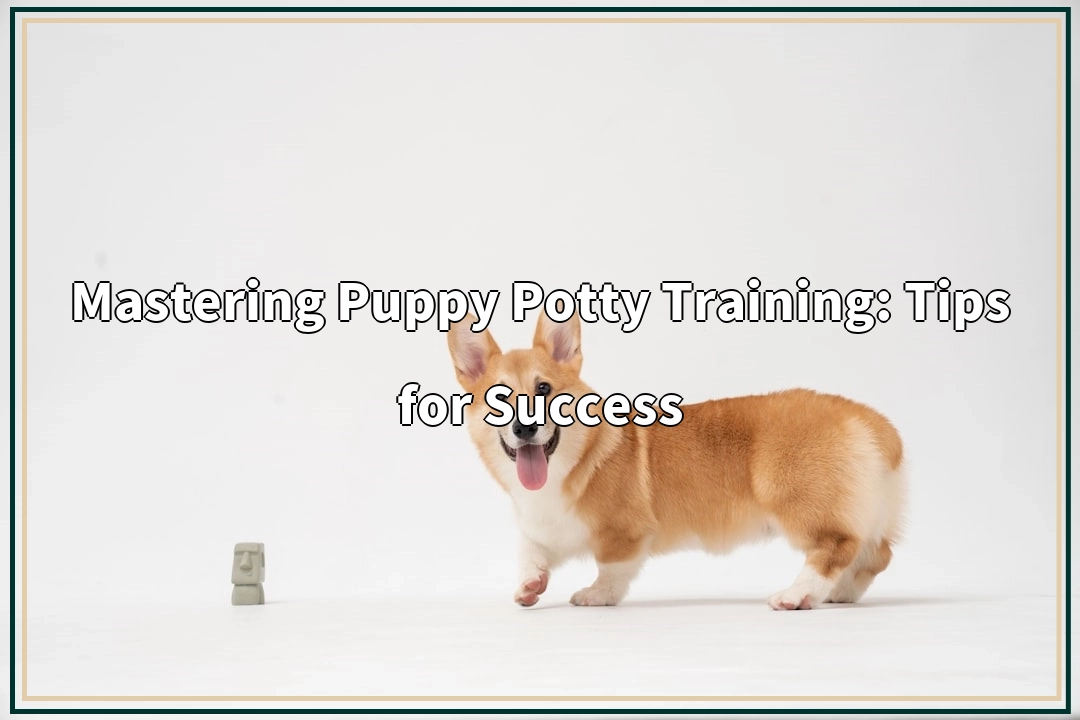
Unlocking the Secrets of Successful Puppy Potty Training
Bringing a new puppy into your home is an exciting adventure filled with joy, laughter, and a few challenges along the way. One of the most significant hurdles that new pet owners face is potty training. Did you know that effective puppy potty training can significantly enhance the bond between you and your furry friend? Many owners often wonder how to navigate this essential aspect of pet ownership, and the good news is that with the right techniques and a bit of patience, you can master this process. In this guide, we will explore effective strategies for puppy potty training that not only ensure a clean home but also foster a happy and healthy relationship with your new companion.
Understanding Puppy Potty Training: A Comprehensive Overview
Puppy potty training is a crucial aspect of responsible pet ownership that involves teaching your puppy where and when it is appropriate to relieve themselves. This process is not just about keeping your home clean; it is also about establishing a routine and building trust between you and your puppy. Effective potty training requires consistency, positive reinforcement, and an understanding of your puppy’s natural behaviors.
When it comes to potty training, timing is everything. Puppies have small bladders and may need to go outside frequently, especially after eating, drinking, or waking up from a nap. Recognizing these signs and responding promptly is key to successful training. Many experts recommend taking your puppy outside every hour, as well as after meals and playtime, to help them associate the outdoors with bathroom breaks.
Positive reinforcement is another essential component of effective puppy potty training. This technique involves rewarding your puppy with praise, treats, or playtime immediately after they relieve themselves in the appropriate spot. This not only encourages them to repeat the behavior but also strengthens the bond between you and your puppy. Remember, patience is vital; accidents will happen, and it’s important to remain calm and avoid punishment, as this can create fear and confusion.
In addition to positive reinforcement, crate training can be an effective method for potty training. Puppies naturally avoid soiling their sleeping area, so a crate can help them learn to hold it until they are let outside. However, it’s crucial to ensure that the crate is not used as a form of punishment, but rather as a safe space for your puppy.
Understanding your puppy’s breed and individual characteristics can also play a significant role in the potty training process. Some breeds are more stubborn or independent than others, which may require different training approaches. For instance, smaller breeds may have a higher frequency of bathroom needs, while larger breeds may take longer to train. Tailoring your training methods to suit your puppy’s specific needs can lead to more effective results.
In summary, mastering puppy potty training is an essential skill for any new dog owner. By understanding your puppy’s needs, employing positive reinforcement techniques, and maintaining a consistent routine, you can successfully navigate this important aspect of pet ownership. With time, patience, and dedication, you will not only achieve a clean home but also foster a loving and trusting relationship with your furry companion.
The Essentials of Puppy Potty Training
Effective puppy potty training is not just about teaching your pet where to go; it’s about creating a positive environment that encourages good habits. This process begins with understanding the natural instincts of your puppy. Puppies are instinctively drawn to certain areas for elimination, often preferring to go in grass or dirt rather than on hard surfaces. By taking your puppy to these preferred areas, you can help them learn where it is acceptable to relieve themselves.
Moreover, establishing a routine is crucial. Puppies thrive on consistency, and having a set schedule for feeding, playtime, and bathroom breaks can significantly aid in the training process. By feeding your puppy at the same times each day, you can predict when they will need to go outside, making it easier to prevent accidents indoors.
Another important aspect of puppy potty training is recognizing the signs that your puppy needs to go. Common indicators include sniffing around, circling, whining, or heading towards the door. Being attentive to these signals can help you respond quickly and reinforce the desired behavior.
In conclusion, effective puppy potty training is a multifaceted process that requires understanding, patience, and consistency. By employing the right techniques and being mindful of your puppy’s needs, you can successfully navigate this essential aspect of pet ownership, leading to a happy and harmonious home.

Understanding Your Puppy: Key Traits for Successful Training
When embarking on the journey of puppy potty training, it is essential to understand the unique characteristics of your puppy. These traits can significantly influence the training process and your overall experience as a pet owner. Puppies, much like humans, exhibit a range of behaviors and personality traits that can be shaped by their breed, environment, and upbringing. Recognizing these characteristics can help you tailor your training methods for optimal success.
The origins of puppy behavior can be traced back to their wild ancestors, where survival depended on effective communication and social structures. Over time, domestication has led to a variety of breeds, each with its own set of traits and instincts. For instance, some breeds are more eager to please, making them easier to train, while others may exhibit stubbornness or independence. Understanding these nuances is crucial for developing an effective potty training strategy.
One of the most notable characteristics of puppies is their innate curiosity. This trait drives them to explore their surroundings, which can sometimes lead to accidents if they are not adequately supervised. Puppies are also highly social animals, often forming strong bonds with their human companions. This social nature can be leveraged during potty training, as positive reinforcement techniques can strengthen the bond between you and your puppy.
Another important characteristic to consider is the puppy’s age. Younger puppies have less control over their bladders and may need to go outside more frequently. As they grow and develop, their ability to hold their bladder will improve. This understanding can help you set realistic expectations during the training process. Additionally, recognizing the signs that your puppy needs to go—such as sniffing, circling, or whining—can make a significant difference in your training success.
Moreover, the energy levels of different breeds can vary widely. High-energy breeds may require more frequent breaks and exercise, while lower-energy breeds may be more content with a relaxed routine. Tailoring your potty training schedule to match your puppy’s energy levels can lead to more effective results. For example, a high-energy puppy may benefit from playtime before bathroom breaks, while a calmer breed may need a more structured approach.
In summary, understanding the key traits of your puppy is essential for successful potty training. By recognizing their natural instincts, social behaviors, and energy levels, you can create a training plan that aligns with their needs. This understanding not only facilitates effective potty training but also fosters a deeper bond between you and your furry companion.
Puppy Wellness: Essential Care and Health Considerations
Taking care of your puppy goes beyond just potty training; it encompasses a holistic approach to their health and well-being. A well-rounded care regimen includes proper nutrition, regular veterinary check-ups, and an understanding of common health concerns that may arise during your puppy’s formative years. Addressing these aspects will not only ensure a happy and healthy puppy but also contribute to successful potty training.
Nutrition plays a vital role in your puppy’s overall health and development. Puppies have specific dietary needs that differ from adult dogs, as they require a balanced diet rich in essential nutrients to support their growth. High-quality puppy food should contain adequate protein, fats, vitamins, and minerals to promote healthy development. Look for formulas specifically designed for puppies, as these will provide the necessary nutrients for their rapid growth and energy levels.
Hydration is equally important. Puppies should have access to fresh water at all times, as proper hydration supports their digestive health and overall well-being. Be mindful of your puppy’s water intake, especially during potty training, as it can influence their bathroom habits. Keeping a consistent feeding schedule can also help regulate their bathroom breaks, making training more manageable.
Regular veterinary check-ups are essential for monitoring your puppy’s health. These visits allow your veterinarian to assess your puppy’s growth, administer vaccinations, and check for any potential health issues. Early detection of health concerns can prevent more significant problems down the line, ensuring that your puppy remains healthy and happy.
Common health issues in puppies can include gastrointestinal problems, skin allergies, and dental issues. Understanding these potential concerns can help you recognize symptoms early and seek appropriate care. For instance, if your puppy experiences frequent diarrhea or vomiting, it may indicate a dietary issue or an underlying health problem that requires veterinary attention.
Additionally, socialization is a critical aspect of your puppy’s health. Exposing your puppy to various environments, people, and other animals can help them develop confidence and reduce anxiety. This socialization process can also aid in potty training, as a well-adjusted puppy is more likely to respond positively to training efforts.
In conclusion, caring for your puppy involves a comprehensive approach that includes proper nutrition, regular veterinary care, and awareness of common health issues. By prioritizing your puppy’s health and well-being, you set the foundation for successful potty training and a long, happy life together.

Embracing Life with Your Puppy: Compatibility and Activity Needs
Welcoming a puppy into your home is a delightful experience, filled with the promise of companionship and joy. However, understanding how to live harmoniously with your new furry friend is essential for a successful relationship. This section delves into the compatibility of puppies with families and other pets, as well as their activity needs, which play a crucial role in ensuring a well-adjusted and happy pet.
When considering the compatibility of a puppy with your family, it’s important to assess the breed’s temperament and energy levels. Different breeds have varying personalities; some are known for their gentle nature, making them great companions for children, while others may be more energetic and playful, thriving in active households. For instance, Labrador Retrievers are known for their friendly disposition and are typically great with kids, making them an excellent choice for family environments. On the other hand, breeds like Border Collies are highly intelligent and require consistent mental and physical stimulation to stay happy and healthy.
Additionally, socialization plays a vital role in how well your puppy interacts with family members and other pets. Early exposure to different environments, sounds, and experiences can help your puppy develop into a well-rounded adult dog. It’s crucial to introduce your puppy to various family members, including children and older adults, as well as other pets in the household. This not only helps your puppy become comfortable with different social situations but also minimizes the chances of behavioral issues in the future.
When it comes to activity needs, puppies generally have high energy levels and require regular exercise to keep them physically and mentally stimulated. Most breeds thrive on daily walks, playtime, and mental challenges. Engaging your puppy in interactive games, such as fetch or tug-of-war, can be an excellent way to burn off excess energy while also strengthening the bond between you and your pet. It’s important to tailor the activity level to your puppy’s breed and age; younger puppies may not have the stamina for long walks, while more active breeds may need additional exercise to stay content.
Providing adequate mental stimulation is just as important as physical activity. Puzzle toys, obedience training, and agility exercises can challenge your puppy’s mind and prevent boredom, which can lead to destructive behaviors. As your puppy matures, their exercise requirements may change, so it’s essential to adapt your routine to meet their evolving needs.
In summary, embracing life with your puppy involves understanding their compatibility with your family and other pets, as well as meeting their activity needs. By fostering a nurturing and stimulating environment, you can ensure that your puppy grows into a well-adjusted and happy member of your household.
Your Questions Answered: Puppy Potty Training FAQs
As new puppy owners embark on the journey of potty training, it’s common to have a plethora of questions. This FAQ section addresses some of the most frequently asked questions regarding puppy potty training, providing valuable insights to help you navigate this essential process.
1. How long does it take to potty train a puppy?
The duration of potty training can vary significantly based on factors such as the puppy’s age, breed, and the consistency of the training approach. Generally, most puppies can be reliably potty trained within four to six months, but some may take longer. Consistency and patience are key.
2. What are the signs that my puppy needs to go outside?
Common signs that your puppy needs to relieve themselves include sniffing around, circling, whining, or heading towards the door. Being attentive to these cues can help you respond quickly and prevent accidents indoors.
3. Is crate training effective for potty training?
Yes, crate training can be an effective method for potty training. Puppies generally avoid soiling their sleeping area, so using a crate can help them learn to hold it until they are let outside. Just ensure the crate is not used as a form of punishment.
4. What should I do if my puppy has an accident indoors?
If your puppy has an accident indoors, it’s important to remain calm and avoid punishment. Clean the area thoroughly to remove any scent markers that might encourage your puppy to go in the same spot again. Instead, focus on reinforcing outdoor bathroom breaks with praise and rewards.
5. How often should I take my puppy outside?
Puppies typically need to go outside every one to two hours, especially after eating, drinking, or waking up from a nap. Establishing a regular schedule can help regulate their bathroom habits.
6. What type of rewards are best for positive reinforcement?
Using treats, praise, and playtime as rewards can effectively reinforce desired behaviors during potty training. Choose small, high-value treats that your puppy enjoys, and always provide immediate praise when they successfully relieve themselves outside.
7. Can I use training pads indoors instead of going outside?
Training pads can be useful for indoor potty training, especially in situations where outdoor access is limited. However, transitioning from pads to outdoor potty breaks may require additional training, as it can create confusion about where it is acceptable to go.
In conclusion, navigating the potty training process can be challenging, but with the right information and approach, you can successfully train your puppy and build a lasting bond. By addressing these common questions and concerns, you’ll be better equipped to handle the ups and downs of puppy potty training, leading to a happier and healthier relationship with your furry friend.
