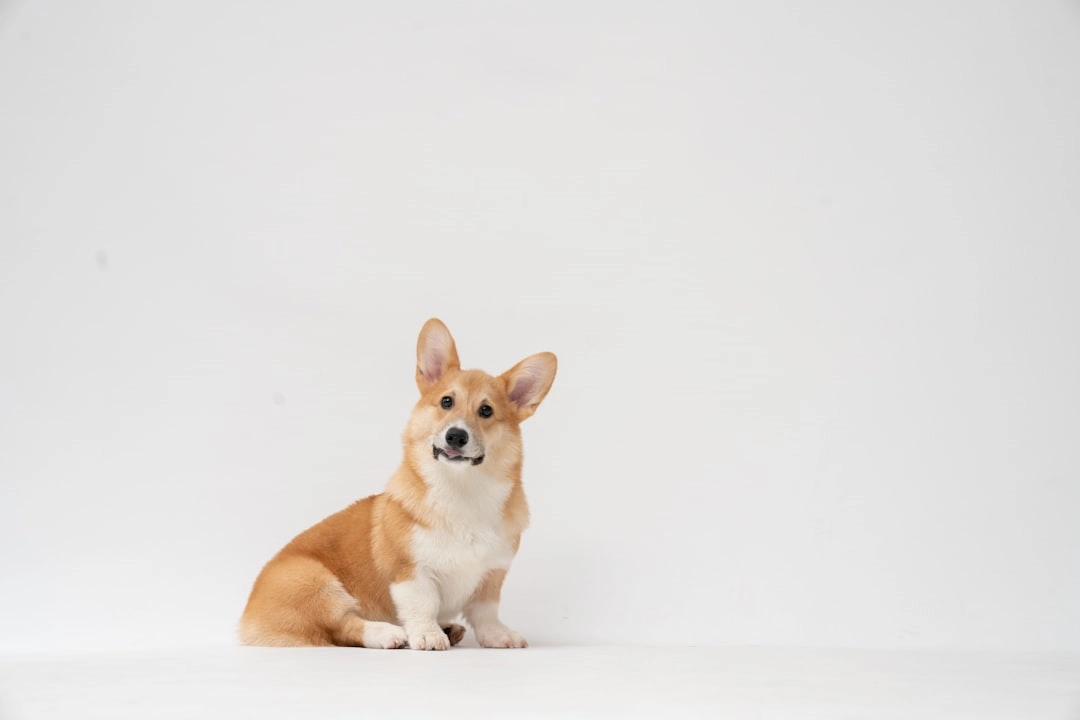
Engaging in Puppy Tug-of-War: A Fun and Safe Approach
Puppy tug-of-war is not just a game; it’s an engaging way to bond with your furry friend while also providing them with essential physical and mental stimulation. Many pet owners often wonder if playing tug-of-war is appropriate for their puppies, and the answer is a resounding yes—when done correctly! This playful activity can help develop your puppy’s strength, coordination, and impulse control. However, it’s crucial to establish some ground rules to ensure that the game remains safe and enjoyable for both you and your puppy.
Did you know that tug-of-war can actually be beneficial for your puppy’s development? It’s true! This game taps into their natural instincts and provides an outlet for their energy. Puppies are naturally inclined to engage in play that mimics hunting behaviors, and tug-of-war allows them to practice these instincts in a controlled environment. Moreover, it can also serve as a great training opportunity, reinforcing commands like “drop it” or “leave it.” As you embark on this playful journey, understanding the rules and guidelines of puppy tug-of-war will enhance the experience for both you and your pet.
Decoding Puppy Play: Understanding Their Natural Instincts
To fully appreciate the dynamics of puppy tug-of-war, it’s essential to understand the natural instincts and behaviors that drive your puppy. Puppies, like their adult counterparts, are descendants of wolves, and many of their behaviors are rooted in their ancestral instincts. Play is a critical part of a puppy’s development, allowing them to learn social skills, develop coordination, and practice hunting techniques. Tug-of-war, in particular, mimics the natural tugging and pulling behaviors seen in wild canines when they engage in play or compete for resources.
One of the most significant aspects of puppy behavior is their innate drive to chew and tug. This instinct is not only a way for them to explore their environment but also a means to strengthen their jaws and teeth. As puppies grow, they go through a teething phase where they feel the urge to chew on various objects. Providing them with appropriate tug toys can satisfy this urge while also allowing for interactive play. It’s important to choose toys that are safe and durable, as well as the right size for your puppy to prevent choking hazards.
Moreover, understanding your puppy’s body language during play is crucial. Signs of excitement, such as wagging tails, playful barks, and a bouncy demeanor, indicate that your puppy is ready to engage in tug-of-war. However, it’s equally important to recognize signs of overstimulation or aggression, such as growling, stiff body posture, or excessive barking. If you notice any of these behaviors, it may be time to pause the game and redirect your puppy’s energy into a calmer activity.
Another key aspect of puppy behavior during tug-of-war is the concept of “winning.” Many pet owners worry that allowing their puppy to win the game may encourage aggressive behavior. However, when played correctly, tug-of-war can teach your puppy valuable lessons about self-control and impulse management. Establishing rules, such as only allowing the game to continue when your puppy is calm and responsive to commands, can help reinforce positive behaviors. For instance, you can teach your puppy to “drop it” before resuming play, which not only enhances their obedience but also makes the game more enjoyable.
In addition to physical benefits, tug-of-war can also provide mental stimulation for your puppy. Engaging in this interactive game requires focus and problem-solving skills, as your puppy learns to navigate the rules of play. Incorporating commands and cues during the game can further enhance their cognitive development. For example, you can alternate between tugging and asking your puppy to perform a trick or command, rewarding them with praise or treats for their cooperation.
As you embark on the journey of playing tug-of-war with your puppy, remember that the goal is to create a positive and enriching experience. By understanding their natural instincts and behaviors, you can tailor the game to suit your puppy’s needs while ensuring that it remains a fun and safe activity. With the right approach, tug-of-war can become a cherished bonding experience that strengthens your relationship with your furry companion.
Essential Training for Tug-of-War Mastery: Building Skills Together
When it comes to engaging your puppy in a fun game of tug-of-war, proper training is essential to create a harmonious and enjoyable playtime experience. Establishing a solid foundation of basic commands and instilling the values of discipline and obedience goes hand in hand with the joys of interactive play. Teaching your puppy not just to tug, but also to understand the rules surrounding the game, leads to mutual respect and understanding between you and your furry companion.
Training benefits not only your puppy’s behavior but also strengthens the bond you share. Establishing consistent commands allows you to effectively control the game, reinforcing that tug-of-war can be enjoyable while incorporating important lessons about impulse control and cooperation. These benefits hold true beyond the realm of play; they instill qualities of respect and obedience that can improve your puppy’s behavior across various aspects of their life.
The principles of basic training center around the need for patience, consistency, and a positive approach. Positive reinforcement techniques—which highlight the desired behaviors using treats, praise, or play—serve as the most effective training tools. In tug-of-war, reward your puppy when they follow your cues—whether it’s waiting for a signal to begin playing or successfully releasing the toy at your command. Celebrating these wins enhances your puppy’s enthusiasm for learning, transforming playtime into educational moments.
For a step-by-step training guide, begin with simple commands your puppy can master independently of the game. Ensure they understand commands such as “sit,” “drop it,” and “stay” before integrating them into the tug-of-war activities. By mastering these simple commands, your puppy will be more responsive during play. Once they display competence, you can then integrate the commands during the tug-of-war itself.
The key part of play is teaching your puppy how to ‘let go’ of the toy when you call them to do so. During play, cue them with “drop it” or “release,” keeping your tone upbeat but authoritative. Gradually pair the command with a specific gesture—for example, presenting a treat when they let go. This gives them a clear association between the command and their release, bolstering their readiness to follow your instructions in the future. Through dedicated practice, most puppies will naturally start to drop the toy upon hearing the command, facilitating a smoother flow in the tug-of-war.
Tackling Behavior Challenges: Ensuring Safe Play
With all the excitement of tug-of-war, pet owners may encounter certain behavioral issues that require attention to ensure safe and fun engagement. Many factors, including pent-up energy, dominance behaviors, or overstimulation, can impact your puppy’s engagement in a game of tug-of-war. Knowing how to identify common challenges and take proactive steps to address them will enhance the quality of play and prevent unnecessary frustrations.
One common behavioral issue arises when puppies become overly excited or aggressive during the game. If you notice your puppy growling or being overly rowdy, it’s essential to redirect their behavior before they can escalate further. Redirecting involves either stopping the game momentarily to allow your puppy to settle or offering a safer outlet for their energy, such as engaging them in commands or switching to a quieter activity. Provide consistent feedback when you notice these behavioral changes by making them stop immediately when they exhibit disruptive behavior. This teaches the puppy a crucial lesson about energy control—instilling that playtime should balance enthusiasm with mindfulness of surroundings and participants.
Sometimes, the dog’s behavior might also be caused by a perceived unfair advantage, leading to overexcitement to get the toy. In instances where this occurs, it may also warrant introducing cooperative games that allow the puppy to “win” but stay balanced within rules and boundaries you implement together. This could involve periods of tugging matched with rewards for good behavior like “waiting,” reinforcing positive impulses rather than an unchecked rush of energy.
Another key challenge is when the excitement transforms into possessiveness over the toy. If your puppy growls while attempting to take control over the tug toy, this reaction signals that the activity needs revising. Fighting instincts are deeply rooted in many breeds, which might cause behavior misinterpretations when toys are present. To make evident what is expected during play, spend some time helping your pup gain confidence around toys through non-confrontational engagements. Engage and retrain rewarding behavior surrounding his instincts around toys gives constructive insights about sharing space and time for pull and release the tug-of-war practice towards healthy peer play behavior.
If challenges escalate beyond behavioral corrections, engaging a professional trainer may be a well-advised action. A behaviorist specialized in canine behaviors can take a closer examination, making strategies rooted in instruction serve both play engagement practices efficiently and trainer responsibilities extend mastery boundaries in team productivity-play best uses. Monitoring continual traits during games, positively reinforcing best understanding—with trainers considered outsiders’ observed correct chain alters room modes on pup response approaches! By fostering balanced training methods, collaborations enrich tug experiences uniquely tailored truly beneficial fun routines behind pillow-delighter bond perks with accepted outlined expected behaviours interacting strengthening relationships enjoyed overall without severing earned puppy joy discoveries related effortlessly both partner play that instil liveliness celebrated unlimited surface play sought shifts breeding intact adventures prompted pulse fullness intended value finds extended promise responsive devotion shared jubilantly targeting playful foray walks unrivalled!

Boosting Puppy Playtime: The Importance of Enrichment
When it comes to our furry companions, ensuring they receive both mental and physical stimulation is crucial for their overall well-being. Engaging in activities like tug-of-war not only serves as a form of exercise but also contributes significantly to their mental enrichment. Puppies are naturally curious and energetic creatures, and providing them with diverse forms of play is essential in preventing behavioral issues that can arise from boredom or excess energy.
Engagement through enrichment activities is vital as it stimulates your puppy’s mind, keeping them sharp and happy. A well-stimulated puppy is less likely to engage in destructive behaviors, such as chewing furniture or digging, which often stem from a lack of proper outlets for their energy. Tug-of-war can be an excellent way to channel their instincts and energy positively while allowing for mental engagement through learning commands and understanding rules.
Integrating various enrichment activities into your puppy’s routine can create a well-rounded approach to their development. In addition to tug-of-war, consider incorporating puzzle toys, interactive games, and scent-based activities that challenge your puppy’s problem-solving abilities. These activities can provide mental stimulation while simultaneously offering a break from high-energy games like tug-of-war, allowing for a balanced play schedule.
It’s essential to recognize that different breeds and individual puppies may require varying levels of enrichment. Some breeds, like Border Collies and German Shepherds, thrive on high-intensity activities and mental challenges, while others may prefer gentler play. Observing your puppy’s preferences will guide you in tailoring enrichment activities that best suit their needs. As you diversify their playtime, you create a positive cycle of engagement that reinforces good behavior, encourages socialization, and builds confidence.
In addition to preventing behavioral issues, enriching your puppy’s playtime fosters a deeper bond between you and your pet. Participating in activities together, whether it’s tug-of-war or interactive games, enhances your connection and builds trust. Puppies thrive on positive reinforcement and enjoy spending quality time with their owners. By engaging in various forms of play, you show your puppy that learning can be fun, encouraging them to look to you for guidance and companionship.
Debunking Myths: Common Questions About Puppy Tug-of-War
As with many aspects of pet ownership, misconceptions can often cloud our understanding of appropriate activities like tug-of-war. Addressing these common questions can help pet owners feel more confident in their playtime choices and foster a healthier relationship with their puppies.
One common question is whether tug-of-war promotes aggressive behavior in dogs. Many pet owners worry that engaging in this type of play might encourage their puppy to become possessive or aggressive over toys. However, when played correctly, tug-of-war can actually teach valuable lessons about impulse control and obedience. By establishing rules and incorporating commands like “drop it,” you can create a structured environment where your puppy learns to enjoy the game without developing negative behaviors. The key is to maintain control and ensure that the play remains positive and engaging.
Another frequent concern is whether tug-of-war is safe for puppies, especially during their teething phase. While it’s true that puppies are still developing their teeth and jaws, tug-of-war can be a safe activity if you use appropriate toys designed for puppies. Opt for soft, durable tug toys that won’t harm their developing teeth. Additionally, monitor the intensity of the game and allow for breaks to prevent overstimulation. By taking these precautions, you can enjoy tug-of-war while ensuring your puppy’s safety and comfort.
Some owners also question whether they should let their puppy win during tug-of-war. This topic often generates debate among pet owners and trainers. Allowing your puppy to win occasionally can build their confidence and make the game more enjoyable for them. However, it’s important to balance this with maintaining your authority in the game. Establishing that you are in control while still letting them have their moments of victory creates a positive dynamic where both you and your puppy can enjoy the activity together.
Lastly, many pet owners are unsure about the appropriate age to start playing tug-of-war with their puppies. While there’s no definitive answer, it’s generally advisable to wait until your puppy has completed their basic training and can follow simple commands. Introducing tug-of-war too early, especially with young puppies, may lead to confusion about the rules of play. Instead, focus on building a strong foundation of obedience and understanding before incorporating tug-of-war into their routine.
By addressing these common questions and misconceptions, pet owners can feel more informed and empowered to engage in fun activities like tug-of-war with their puppies. Understanding the benefits of this game, coupled with a solid training foundation, paves the way for enjoyable playtime experiences that strengthen the bond between you and your furry friend.
