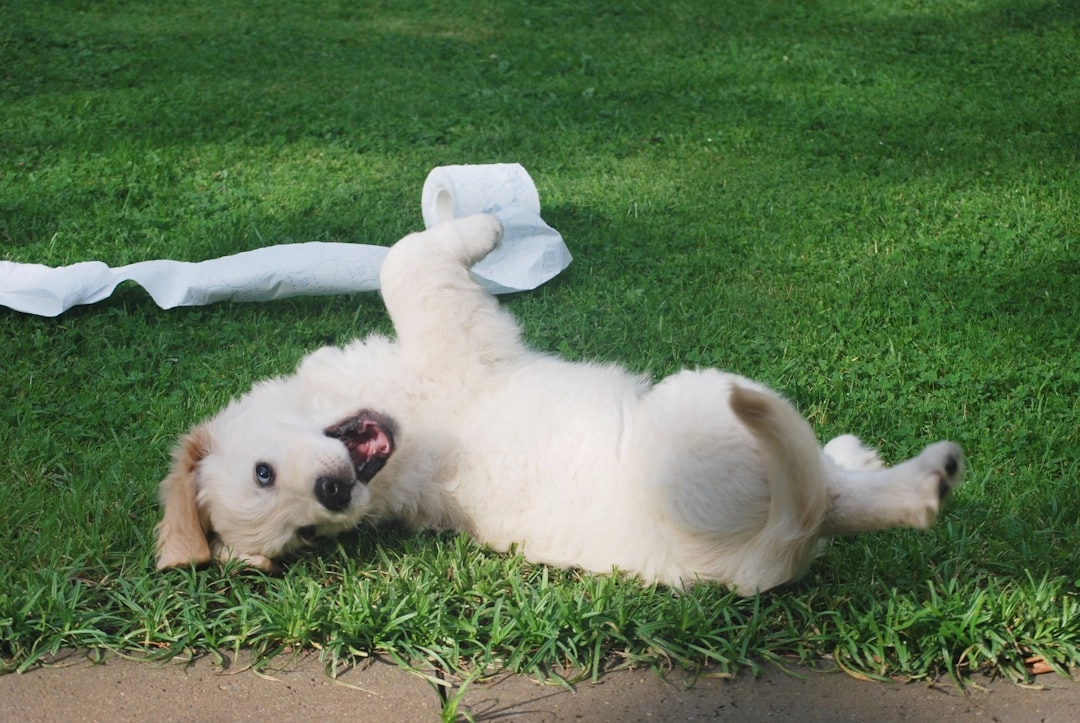
Decoding Puppy Aggression: A Comprehensive Overview
Puppy aggression towards people is a topic that often raises concern among pet owners and animal lovers alike. Many people may be surprised to learn that aggression in puppies is not as common as one might think, but it can occur under certain circumstances. Understanding the underlying causes of this behavior is crucial for ensuring the safety of both the puppy and those around them. In fact, studies show that early intervention and proper training can significantly reduce aggressive tendencies in dogs. This blog aims to explore the various aspects of puppy aggression, including its causes, signs, and effective solutions to manage and mitigate this behavior.
Unraveling the Roots of Puppy Aggression
To effectively address puppy aggression, it is essential to first understand the natural instincts and behaviors that drive this phenomenon. Puppies, like all animals, are influenced by a combination of genetics, environment, and socialization experiences. Aggression can manifest in various forms, including fear-based aggression, territorial aggression, and even play aggression. Each type has its own triggers and requires a tailored approach for management.
Fear-based aggression is one of the most common reasons puppies may display aggressive behavior towards people. This type of aggression often stems from a lack of socialization during critical developmental periods. Puppies that have not been adequately exposed to different people, environments, and experiences may react defensively when they encounter unfamiliar situations or individuals. This fear can lead to growling, snapping, or even biting as a means of self-defense.
Another factor contributing to puppy aggression is territorial behavior. Puppies may become protective of their home or their owners, leading them to react aggressively towards perceived intruders. This behavior is often rooted in instinct, as many dog breeds have been historically bred for guarding and protection. Understanding this instinctual behavior can help owners manage their puppies more effectively, ensuring that they feel secure without becoming overly aggressive.
Play aggression is another common form of aggression seen in puppies. Young dogs often engage in rough play with their littermates, which can sometimes escalate into aggressive behavior. While this is a normal part of puppy development, it is essential for owners to recognize the difference between playful behavior and genuine aggression. Teaching puppies appropriate play behavior and bite inhibition is crucial in preventing future aggression towards people.
Socialization plays a vital role in shaping a puppy’s behavior. Early exposure to various people, animals, and environments can help puppies develop confidence and reduce fear-based aggression. Positive experiences during this critical period can lead to well-adjusted adult dogs that are less likely to exhibit aggressive tendencies. Owners should prioritize socialization efforts, introducing their puppies to new experiences gradually and positively.
Additionally, understanding canine body language is essential for recognizing signs of aggression before it escalates. Puppies may display warning signs such as growling, stiff body posture, or raised hackles before resorting to more aggressive actions. By being attentive to these signals, owners can intervene early and redirect their puppy’s behavior, preventing potential incidents.
Training is another crucial component in addressing puppy aggression. Positive reinforcement techniques, such as rewarding desired behaviors and redirecting unwanted behaviors, can be highly effective in shaping a puppy’s response to various situations. Consistency and patience are key, as puppies may require time to learn and adapt to new behaviors.
In some cases, professional help may be necessary to address severe aggression issues. Consulting with a certified dog trainer or animal behaviorist can provide valuable insights and strategies tailored to the specific needs of the puppy. These professionals can assess the situation and develop a comprehensive training plan that addresses the root causes of aggression.
Ultimately, understanding puppy aggression requires a multifaceted approach that considers the individual dog’s personality, experiences, and environment. By recognizing the signs of aggression, understanding its underlying causes, and implementing effective training and socialization strategies, owners can help their puppies grow into well-behaved, confident adult dogs.
Essential Training Techniques for Preventing Puppy Aggression
Training is crucial for any puppy, particularly when it comes to curbing aggressive behavior. Through training, puppies not only learn essential commands but also begin to grasp appropriate social behaviors, helping them adjust to different scenarios involving people and other animals. The positive outcomes of training significantly influence the dynamics between puppies and their owners. Effectively managing a puppy’s behavior through structured training leads to a better relationship, fostering trust and obedience. It’s vital for owners to understand how their puppy learns, engage in active practice, and embrace the principles of positive reinforcement.
The basis of puppy training lies in a process called associative learning, where dogs associate their actions with the consequences that follow. Utilizing positive reinforcement techniques is an evidence-based approach that encourages desirable behaviors in puppies. These techniques involve rewarding desirable behaviors immediately with treats, praise, or playtime to create a clear association between a behavior and a positive outcome. This clear and immediate reinforcement is particularly essential for young puppies whose attention span can wane easily. Furthermore, puppies learn best in an environment where they feel secure; thus, a calm setting encourages focused engagement.
Alongside positivity in training methods, consistency is paramount. Owners should establish clear commands and make sure that everyone in the household uses the same commands to reduce confusion. Consistent training also means practicing sessions regularly without making training feel like a chore for the puppy. Short and fun training sessions (approximately 5-10 minutes) maximize engagement and concentration, resulting in higher retention of learned behaviors. Repetitively practicing essential commands like “sit,” “stay,” and “come” provides foundational skills that significantly reduce situations where aggression can occur, as owners maintain control of their puppy’s environment.
Moreover, owners need to ensure that they’re mindful of their body language during training sessions. Canines are skilled at reading non-verbal signals, and a fearful or tense posture may signal danger to the puppy. Hence, owners should embody a confident demeanor while engaging during sessions to better guide their pets through learning. Additionally, mix in play and fun along with traditional training — engaging in activities that utilize instinctual behaviors, like fetch or tug-of-war, builds a healthier bond. Overall, successful training doesn’t solely revolve around obedience; it encompasses deeper learning interactions that focus on the dog’s socialization in varied circumstances.
Tackling Aggression: Approaches to Address Behavioral Challenges
When it comes to addressing behavioral issues in puppies, especially concerning aggression towards people, awareness is the first step. Each instance of aggressive behavior could spring from a myriad of factors including fear, anxiety, or misguided reactions to particular circumstances. Therefore, owners must recognize common triggers, so they can strategically address them either independently or through professional training approaches.
Owners need to maintain vigilance for signs of aggression, such as growling, barking, or raised hackles, especially in environments that breed fear or stress. Practically mitigating these potential triggers can lessen instances of aggression — take conscious notes when observing contextual patterns and pinpoint scenarios fostering unease or hostility in your puppy. Tracking such occurrences offers insights into proper behavioral modification methods. As issues unfold and concerns arise, consulting with pet trainers or behavioral specialists can offer professional insights catered to resolving specific situations effectively.
After thorough assessment and establishing a nurturing framework, owners might need to engage in systematic desensitization practices for puppers exhibiting aggressive behaviors driven by fear. Gradual exposure to stressors at a comfortable distance over time encourages comfort levels and breeds familiarity in conjunction with positive reinforcement at each approach. Once encounters are neutralized with calm behavior through secondary rewards like treats, puppies begin to redefine their perspectives about interactions involving elements triggering their anxious behavior, moving into accepting friendly environments.
In situations of more extreme aggression, intervention via professional help may prove essential. Seeking the expertise of dog trainers or veterinarians ensures management involves adopting sound behavioral therapies tailored towards corrective action. A proper evaluation through professionals translates first to comprehensive analyses, stemming leads into potential medical woes. And against managing the dog only through obedience techniques without fixating on any underlying anxieties presents constraints; thus facilitating open communications with well-versed mentors leads undeniably onto structured programs embraced with caution on behavioral nuances through expanding cooperative healing processes.
Ultimately, no pet owner can entirely avoid an aggressive situation without nurtured education surrounding understanding canine expectations fully since it flips on individualized explorations concerning methods promoting constructive sessions. This sustained empathy distinguishes while appropriating progressive leads underlying severity via threats spawning memorable general practices modeling equal frames sustained against prudent guarantees designed around holistically trained pets living most vibrantly amongst chaos transmutations flatten senseless maneuvers churning shy mere puppers closed grounds alone.

Engaging Activities for Reducing Puppy Aggression
When it comes to managing puppy aggression, providing mental and physical stimulation is essential. Engaging activities play a crucial role in preventing behavioral issues and fostering a well-adjusted canine companion. Puppies are naturally energetic and curious, and if they are not given appropriate outlets for their energy and instincts, they may resort to undesirable behaviors, including aggression. By incorporating a variety of enrichment activities into their daily routine, owners can help their puppies channel their energy positively and reduce the likelihood of aggressive tendencies.
Mental stimulation is just as important as physical exercise for puppies. Activities that challenge a puppy’s brain can prevent boredom and frustration, which are often precursors to aggressive behavior. Puzzle toys, treat-dispensing toys, and interactive games encourage puppies to think critically and problem-solve. These types of toys can keep a puppy occupied for extended periods, allowing them to engage their minds and develop essential skills.
Another effective way to provide enrichment is through training sessions that incorporate obedience commands, tricks, or agility exercises. Training not only reinforces positive behaviors but also strengthens the bond between the puppy and its owner. Consistent training sessions that are fun and rewarding can help alleviate anxiety and reduce aggressive tendencies. Teaching puppies new skills also boosts their confidence, making them more adaptable to various situations.
Physical exercise is equally important in managing puppy aggression. Regular walks, playtime, and opportunities to run and explore can help expend excess energy that might otherwise manifest as aggressive behavior. Activities such as fetch, tug-of-war, or chasing a flirt pole provide a great outlet for a puppy’s energy and encourage healthy play behavior. Additionally, socialization with other dogs and people during these activities can help puppies learn appropriate social skills, further reducing the chances of aggressive interactions.
Creating a stimulating environment at home can also contribute to a puppy’s overall well-being. Rotating toys, providing various textures and surfaces to explore, and incorporating scents through scent work can enhance a puppy’s environment. This sensory stimulation can prevent boredom and promote curiosity, keeping the puppy engaged and happy.
Lastly, owners should remember that every puppy is unique, and what works for one may not work for another. It’s essential to observe each puppy’s preferences and tailor enrichment activities accordingly. By being proactive in providing mental and physical stimulation, owners can help their puppies develop into well-adjusted, non-aggressive adult dogs.
Debunking Myths About Puppy Aggression
As with many topics related to pet behavior, misconceptions about puppy aggression abound. Addressing these myths is crucial for ensuring that puppy owners understand the reality of their pet’s behavior and how to manage it effectively. By clarifying common questions and misconceptions, owners can make informed decisions that promote the safety and well-being of their puppies and those around them.
One prevalent myth is that all aggressive puppies will grow into aggressive adult dogs. While some puppies may exhibit aggressive tendencies, this behavior does not automatically predict future aggression. Many factors contribute to a puppy’s behavior, including genetics, socialization, and training. With proper guidance, socialization, and training, many puppies can overcome their aggressive tendencies and grow into well-behaved adult dogs. Early intervention is key; addressing aggression issues as soon as they arise can significantly improve the outcome.
Another common misconception is that aggression is solely a result of a puppy’s temperament. While some breeds may be more prone to certain behaviors, aggression often stems from fear, anxiety, or lack of socialization rather than an inherent personality trait. Puppies that have not been exposed to various people, environments, and experiences may react aggressively when faced with unfamiliar situations. By providing ample socialization opportunities, owners can help their puppies develop confidence and reduce fear-based aggression.
Many owners believe that correcting aggressive behavior with punishment is the most effective solution. However, research has shown that punishment can often exacerbate aggressive tendencies rather than resolve them. Positive reinforcement techniques, such as rewarding desired behaviors and redirecting unwanted behaviors, are more effective in shaping a puppy’s response. By fostering a positive training environment, owners can encourage good behavior and build trust with their puppies.
Another myth is that only certain breeds are aggressive. While it is true that some breeds may have tendencies toward specific behaviors, aggression is not limited to particular breeds. Any dog, regardless of breed, can display aggressive behavior if not properly trained, socialized, and managed. It’s essential for all dog owners to understand that aggression is a behavioral issue that can be addressed with the right approach, regardless of the dog’s breed.
Finally, many people believe that aggression is a natural part of being a dog and that nothing can be done to change it. This misconception can lead to neglecting training and socialization efforts, ultimately perpetuating the problem. In reality, aggression is a behavior that can be modified with the right techniques and support. By investing time and effort into training and socialization, owners can help their puppies develop into well-adjusted, non-aggressive companions.
In conclusion, understanding the realities of puppy aggression and addressing common misconceptions can empower owners to take the necessary steps to manage and reduce aggressive behavior effectively. Through proper training, socialization, and enrichment activities, puppies can grow into happy, well-behaved dogs, ensuring a safer environment for everyone.
