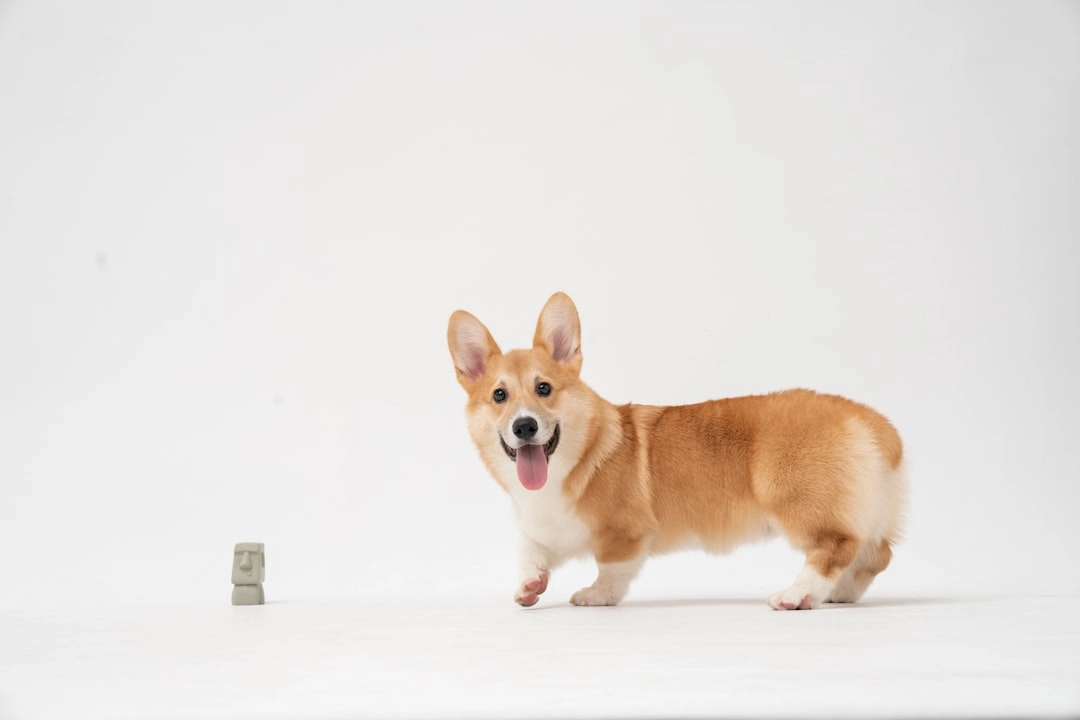
Essential Insights on Preventing Puppy Food Aggression
Food aggression in puppies is a common concern among pet owners, and understanding how to prevent it is crucial for fostering a harmonious household. Did you know that food aggression can manifest as early as puppyhood? This behavior, if left unchecked, can lead to serious issues as the dog matures. Puppies, like human infants, are impressionable and can develop habits that may not be desirable in adulthood. The good news is that with the right approach, food aggression can be effectively prevented. In this blog, we will explore essential tips for preventing puppy food aggression, ensuring that your furry friend grows up to be a well-adjusted and sociable companion.
Decoding Puppy Behavior: The Roots of Food Aggression
To effectively prevent food aggression in puppies, it is essential to understand the underlying behaviors that contribute to this issue. Puppies, like all animals, are driven by instinct. Their natural instincts often dictate their behavior, especially when it comes to food. In the wild, food is a limited resource, and animals must compete for it to survive. This instinct can carry over into domestic life, leading to possessive behaviors around food.
One of the primary reasons puppies exhibit food aggression is due to fear. When a puppy feels threatened or insecure about its food source, it may react defensively. This behavior can be exacerbated if the puppy has experienced food scarcity or competition in the past, whether from littermates or other animals. Understanding this fear-based response is crucial for pet owners, as it highlights the importance of creating a safe and secure environment for their puppies.
Another factor contributing to food aggression is the lack of socialization. Puppies that are not exposed to various environments, people, and other animals may develop anxiety around food. Socialization helps puppies learn that food is abundant and that they do not need to guard it. By introducing your puppy to different situations and experiences, you can help reduce the likelihood of food aggression developing.
Additionally, the way we interact with our puppies during feeding time can influence their behavior. If a puppy is frequently interrupted while eating or if it perceives that its food is being threatened, it may develop aggressive tendencies. It is essential to establish a calm and positive feeding routine, allowing the puppy to enjoy its meal without fear of interruption or competition.
Training plays a vital role in preventing food aggression. Teaching your puppy basic commands such as “leave it” or “drop it” can help establish boundaries and reinforce positive behavior around food. Positive reinforcement techniques, such as rewarding your puppy for calm behavior during feeding, can also be effective in shaping desirable habits.
Moreover, providing enrichment activities can help alleviate food aggression. Engaging your puppy in play and mental stimulation can reduce anxiety and promote a sense of security. Puzzle toys, interactive feeding bowls, and training games can keep your puppy occupied and satisfied, minimizing the likelihood of possessive behavior around food.
In summary, understanding the roots of food aggression in puppies is essential for prevention. By recognizing the instinctual behaviors, fear responses, and the importance of socialization, pet owners can take proactive steps to ensure their puppies grow up to be well-adjusted and non-aggressive around food. With patience, training, and a nurturing environment, you can help your puppy develop a healthy relationship with food, paving the way for a happy and harmonious life together.
Empowering Your Puppy: Training Tips for Success
Training your puppy is one of the most effective ways to prevent food aggression and other behavioral issues. A well-trained puppy not only exhibits better behavior but also becomes a more confident and well-adjusted adult dog. Training serves as a means of communication between the pet and the owner, allowing the animal to understand what behaviors are desirable and which are not. Engaging in basic training also instills discipline, making future management of the pet’s behavior easier.
The importance of training cannot be overstated, especially when it comes to fostering a positive relationship with your puppy. Through consistent training, you can reinforce good behavior, creating a calmer and happier household. Positive training techniques, such as rewarding desirable actions with treats, praise, or playtime, can turn training sessions into enjoyable experiences for both the puppy and the owner. This collaborative bond can make addressing any potential food aggression issues simpler and more efficient.
Basic obedience training forms the foundation for your puppy’s education. Implementing commands like “sit,” “stay,” “come,” and “leave it” equips your puppy with essential tools to engage appropriately in various situations. By introducing these commands in a stress-free environment, your puppy can learn what is expected during feeding times, reducing anxiety and fostering a peaceful dining experience. Using short, engaging training sessions helps maintain the puppy’s interest and avoid overwhelming them, facilitating quicker learning.
Positive reinforcement principles dictate that pets learn better when rewarded for appropriate behavior rather than punished for incorrect actions. This not only builds trust between you and your puppy but also ensures that your furry companion feels safe while learning. For example, rewarding your puppy for not reacting defensively when someone approaches their food bowl teaches them that visitors can be neutral and peaceful rather than threatening. Gradually habituating your puppy to different scenarios that involve feeding, family members, and friendly guests can accelerate this process.
Incorporating interactive training activities into feeding times can also minimize issues with food aggression. Using puzzle feeders encourages puppies to slow down during meals and prevents them from overly fixating on guarding their food. Engaging the puppy’s brain during feeding can help them associate the presence of people and other pets with something positive, reducing anxieties around resources.
Identifying and Correcting Food Aggression: Behavioral Solutions
Addressing behavioral issues such as food aggression involves observing, understanding, and swiftly intervening when necessary. Early signs of food aggression can include growling, barking, or visibly guarding food. The essential objective in tackling these behaviors is to create a reassuring environment around food and develop positive associations surrounding mealtime.
If food aggression arises, remember that patience and understanding are crucial. Situations demanding intervention need tactful management to avoid amplifying feelings of insecurity or fear. When first noticing any signs of food aggression, avoid aggressive corrective methods, as these often lead to exacerbating fears and stresses. Instead, consider interventions that foster understanding between the puppy and its environment.
Gradual desensitization techniques can be adopted. For instance, begin by placing the food bowl down from a distance and rewarding calm behavior when approached. This positively ingrains in the dog’s behavior that humans near their food bowl is not something to be feared or contested. Use leashes when starting the process to allow some control and a level of security for you and your puppy.
If home efforts to rectify the situation fail to yield results, seeking the assistance of a qualified professional dog trainer or animal behaviorist might be necessary. These experts possess insight and advanced techniques to facilitate learning environments that nurture a balanced approach to modifying behaviors while enhancing obedience and skill sets.
Finally, understanding that dog training and behavioral adjustment take time, continuous efforts are required to allow your puppy the flexibility to develop healthy views on ownership and interaction with food. Behavioral patterns don’t change overnight, but consistency in enforcing rules will elevate the standards of appropriateness in responding positively during meals while effectively countering possessiveness with proper guidance.
Investing effort in training and addressing behavioral issues such as food aggression not only benefits your puppy but can enhance your entire family dynamic. Early and appropriate interventions lay the groundwork for responsible pet ownership and contribute significantly to both you and your furry companion enjoying a stress-free and long-lasting relationship.

Boosting Your Puppy’s Well-Being: The Role of Enrichment
Providing mental and physical stimulation for your puppy is essential for preventing food aggression and other behavioral issues. Puppies, like children, thrive when engaged in activities that challenge their minds and bodies. Enrichment is not just about keeping your puppy busy; it’s about fostering their natural instincts and providing a well-rounded experience that contributes to their overall happiness and stability.
When puppies are deprived of mental and physical stimulation, they can become bored and anxious. This can lead to unwanted behaviors, including food aggression. By incorporating enrichment activities into your puppy’s daily routine, you can significantly reduce the likelihood of these behaviors developing. Engaging your puppy in various activities helps to channel their energy and focus, making them less likely to guard their food out of fear or insecurity.
Physical stimulation can come in many forms, such as walks, playtime, and interactive games. Regular exercise is vital for a puppy’s physical health and helps to expend excess energy that could otherwise lead to frustration and aggression. Activities like fetch, tug-of-war, and agility courses not only keep your puppy physically active but also promote bonding between you and your pet.
Mental stimulation is equally important. Puppies are naturally curious and intelligent, and they need opportunities to explore and learn. Puzzle toys, treat-dispensing toys, and interactive feeding bowls can make mealtime a stimulating experience, encouraging your puppy to think and problem-solve. This type of engagement helps them associate positive experiences with feeding times, reducing anxiety and possessiveness.
In addition to toys, consider incorporating training exercises into your enrichment routine. Teaching new commands, tricks, or even simple obedience skills can be a great way to engage your puppy mentally. The use of positive reinforcement during these training sessions will help your puppy feel more secure and confident, making them less likely to exhibit food aggression.
Socialization is another critical aspect of enrichment. Introducing your puppy to different environments, people, and other animals can help them develop confidence and adaptability. Regularly exposing your puppy to new experiences, such as puppy classes, playdates, or dog parks, allows them to learn how to interact appropriately with others and understand that resources, including food, are abundant and do not need to be guarded.
Finally, don’t forget the importance of play. Playtime is a vital component of a puppy’s development, offering both physical exercise and social interaction. Engaging in play with your puppy helps build trust and reinforces the bond between you two. It’s also a wonderful way to relieve stress for both you and your puppy, further decreasing the likelihood of aggressive behaviors.
Debunking Myths: Understanding Puppy Food Aggression
When it comes to puppy food aggression, there are several common questions and misconceptions that can lead to misunderstandings about this behavior. Addressing these myths is crucial for pet owners to effectively manage and prevent food aggression in their puppies.
One common misconception is that food aggression is solely a sign of dominance. While it is true that some dogs may exhibit aggressive behavior when guarding food, it is essential to recognize that food aggression often stems from fear or insecurity rather than a desire to dominate. Puppies may feel threatened by the presence of humans or other animals around their food, prompting them to guard their resources. Understanding this underlying motivation is crucial for addressing the behavior appropriately.
Another myth is that food aggression cannot be resolved. Many pet owners may believe that once a puppy shows signs of food aggression, it will always be a problem. The reality is that with proper training, socialization, and management, food aggression can be effectively mitigated or eliminated. It requires consistent effort and a commitment to positive reinforcement techniques, but many puppies can learn to trust their environment and feel secure around food.
Additionally, some owners might assume that only certain breeds are prone to food aggression. While specific breeds may exhibit different temperaments, food aggression can affect any dog, regardless of breed. Factors such as early experiences, socialization, and training play a more significant role in determining whether a puppy will develop food aggression.
Finally, there’s a misconception that food aggression is only a concern for adult dogs. In reality, puppies are just as likely to exhibit this behavior if not properly managed. Early intervention and training are critical for preventing food aggression from developing in the first place. By starting training and socialization early, you can lay the foundation for a well-adjusted adult dog.
In summary, understanding the truths behind food aggression in puppies can empower pet owners to take proactive steps in preventing and addressing this behavior. By focusing on enrichment, socialization, and positive training techniques, you can foster a healthy and trusting relationship with your puppy, ensuring a happier and more harmonious home.
