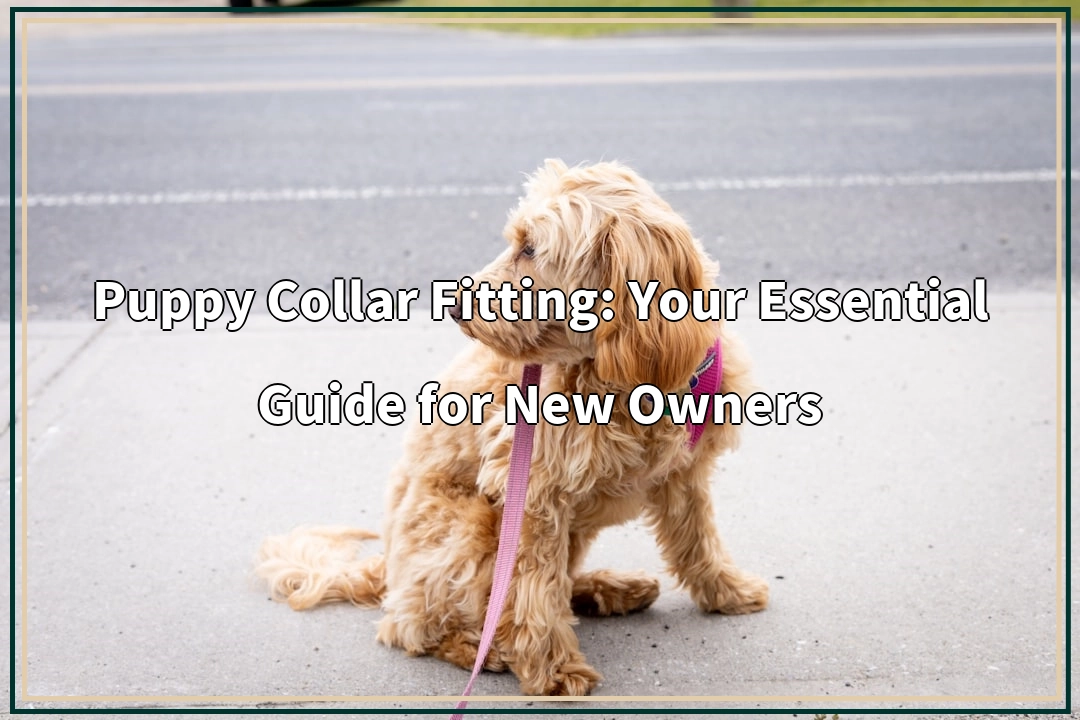
Getting Started with Puppy Collar Fitting
When you bring a new puppy into your home, one of the first things you’ll need to consider is how to properly fit a collar. This seemingly simple task is crucial for your puppy’s safety and comfort. Did you know that a poorly fitted collar can lead to discomfort, skin irritation, or even injury? Understanding the importance of collar fitting is essential for every new puppy owner. A well-fitted collar not only ensures that your puppy is comfortable but also helps in training and identification. In this guide, we will explore the ins and outs of puppy collar fitting, providing you with the knowledge you need to make the best choice for your furry friend.
Understanding Puppy Collars: A Comprehensive Overview
Puppy collars come in various styles, sizes, and materials, each designed to cater to the unique needs of your growing pup. The primary purpose of a collar is to provide a means of identification and control, making it an essential accessory for any dog owner. Collars can also serve as a tool for training, helping to teach your puppy commands and proper behavior.
When selecting a collar for your puppy, it’s important to consider several factors, including size, material, and the specific needs of your breed. The right collar should fit snugly but not too tightly, allowing for comfortable movement while preventing the collar from slipping off. A good rule of thumb is to ensure that you can fit two fingers between the collar and your puppy’s neck. This ensures that the collar is secure without being restrictive.
Originating from ancient times, collars were initially used for practical purposes, such as controlling and identifying animals. Over the years, they have evolved into a variety of styles, from simple fabric collars to more advanced options like GPS-enabled collars. Today, collars are not just functional; they can also be a fashion statement, reflecting the personality of both the dog and the owner.
In terms of materials, collars can be made from nylon, leather, or even biodegradable materials. Each material has its own set of advantages and disadvantages. For instance, nylon collars are lightweight and easy to clean, making them a popular choice for many puppy owners. Leather collars, on the other hand, are durable and can provide a classic look, but they may require more maintenance to keep them in good condition.
As your puppy grows, it’s essential to regularly check the fit of their collar. Puppies can grow quickly, and a collar that fits well today may become too tight in just a few weeks. Regularly measuring your puppy’s neck and adjusting the collar accordingly will help ensure their comfort and safety. Additionally, introducing your puppy to the collar early on can help them become accustomed to wearing it, making training and outings more manageable.
In summary, understanding the importance of proper collar fitting is vital for new puppy owners. A well-fitted collar not only enhances your puppy’s comfort but also plays a crucial role in their safety and training. By considering the various factors involved in selecting the right collar, you can ensure that your puppy is well-equipped for their new life with you.

Key Features of Properly Fitting Puppy Collars
When it comes to selecting the right collar for your puppy, understanding the key features is essential. A collar serves multiple purposes, including identification, control, and training. The right collar should not only fit well but also be comfortable and safe for your puppy. One of the primary characteristics to consider is the material of the collar. Common materials include nylon, leather, and even eco-friendly options. Each material has its own set of advantages; for instance, nylon collars are lightweight and easy to clean, while leather collars offer durability and a classic aesthetic.
Another important feature is the size and adjustability of the collar. Puppies grow rapidly, and their collars need to be adjustable to accommodate their changing size. Most collars come with adjustment points that allow you to customize the fit. A well-fitted collar should allow for two fingers to fit comfortably between the collar and your puppy’s neck, ensuring it is snug but not too tight. This is crucial for preventing chafing or injury while allowing your puppy to move freely.
In addition to material and size, the design of the collar can also play a significant role in its functionality. Some collars come with reflective strips for visibility during nighttime walks, while others may include quick-release buckles for easy removal. Training collars, which may feature additional components like a martingale design, can help with behavior training, making them a popular choice among new puppy owners.
Understanding the characteristics of a properly fitted collar is essential for ensuring your puppy’s safety and comfort. By choosing a collar that is well-made, adjustable, and appropriate for your puppy’s needs, you can provide them with a secure and enjoyable experience as they grow.
Maintaining Your Puppy’s Health and Well-Being
Ensuring your puppy’s health and well-being goes hand in hand with proper collar fitting. A collar that fits well can prevent various health issues, but it’s also important to consider other aspects of care, including diet and general health monitoring. Puppies have specific nutritional needs that differ from adult dogs, and providing a balanced diet is crucial for their growth and development. High-quality puppy food that is rich in protein, vitamins, and minerals will support their energy levels and overall health.
When selecting a diet for your puppy, look for options that list meat as the first ingredient and avoid fillers like corn and soy. Puppies require more calories than adult dogs due to their rapid growth, so it’s essential to feed them a diet specifically formulated for their life stage. Regular feeding schedules and portion control will help maintain a healthy weight, which is vital for their joint health and overall well-being.
In addition to diet, regular veterinary check-ups are essential for monitoring your puppy’s health. Common health concerns in puppies include parasites, dental issues, and skin conditions. Regular vaccinations and preventive treatments for fleas, ticks, and worms are also crucial in keeping your puppy healthy. As your puppy grows, be vigilant for any signs of discomfort or illness, such as changes in appetite, lethargy, or unusual behavior. Early detection of health issues can lead to more effective treatment and a better quality of life for your puppy.
Moreover, socialization and exercise are key components of your puppy’s health. Regular walks and playtime not only help in physical development but also promote mental stimulation and social skills. A well-exercised puppy is generally happier and less prone to behavioral issues. Incorporating training sessions into your daily routine can also strengthen your bond with your puppy while ensuring they learn good manners and obedience.
In summary, maintaining your puppy’s health involves a combination of proper nutrition, regular veterinary care, and adequate exercise. By focusing on these aspects, along with ensuring a well-fitted collar, you can help your puppy thrive in their new environment.

Integrating Your Puppy into Family Life
Bringing a puppy into your home is an exciting and rewarding experience, but it also comes with responsibilities and considerations. Understanding how your puppy will interact with family members and other pets is crucial for creating a harmonious household. Puppies, especially when well-socialized, can become loving companions for children and adults alike. Their playful nature and eagerness to please often make them great additions to families.
Compatibility is largely influenced by the breed, but most puppies thrive in environments where they receive plenty of attention and affection. It’s important to teach children how to interact gently with the puppy, as their small size and playful demeanor can lead to unintentional injuries. Teaching your children to respect the puppy’s space, especially during meal times or when the puppy is resting, will foster a positive relationship between them.
When introducing a new puppy to other pets, gradual introductions are key. Monitor interactions closely to ensure that both your new puppy and existing pets feel comfortable. Positive reinforcement can be helpful in encouraging good behavior during these introductions. Providing separate spaces for your pets initially can also help reduce anxiety as they adjust to each other’s presence.
Activity needs are another vital aspect of living with a puppy. Puppies generally have high energy levels and require regular exercise to keep them physically and mentally stimulated. Daily walks, playtime, and engaging activities like fetch or agility training can help burn off excess energy. It’s also important to incorporate mental stimulation through puzzle toys or training sessions, as a bored puppy may develop undesirable behaviors.
As your puppy grows, their activity needs may change. Regular exercise is crucial not just for their physical health but also for their emotional well-being. Lack of physical activity can lead to behavioral issues such as chewing, barking, or digging. Thus, establishing a routine that includes ample playtime and exercise will contribute to a happy, well-adjusted puppy.
Ultimately, integrating a puppy into your family involves patience, consistency, and a commitment to providing a loving and stimulating environment. With proper care and attention, your puppy can grow into a cherished family member.
Your Puppy Questions Answered
As a new puppy owner, you may have a lot of questions about collar fitting, care, and overall well-being. This FAQ section aims to address some common queries that many new pet parents have, providing you with the information you need to make informed decisions.
1. How do I know if my puppy’s collar fits properly?
A properly fitting collar should allow you to fit two fingers comfortably between the collar and your puppy’s neck. It should be snug enough to stay in place but not so tight that it causes discomfort or restricts movement.
2. What materials are best for puppy collars?
Common materials include nylon, leather, and even biodegradable options. Nylon is lightweight and easy to clean, while leather is durable and offers a classic look. Choose a material that suits your puppy’s lifestyle and comfort needs.
3. How often should I check the fit of my puppy’s collar?
Puppies grow quickly, so it’s essential to check the fit of their collar at least once a month. As they grow, you may need to adjust the collar or even purchase a new one to ensure it fits properly.
4. Can I use an adult collar on my puppy?
It’s generally not recommended to use an adult collar on a puppy, as they may not fit properly. Adult collars are often too large and can lead to safety issues, such as the collar slipping off or becoming a choking hazard.
5. What are some common health issues in puppies?
Common health concerns include parasites, dental issues, and skin conditions. Regular veterinary check-ups, vaccinations, and preventive care can help keep your puppy healthy and detect any potential issues early.
6. How much exercise does my puppy need?
Exercise requirements vary by breed, but most puppies need at least 30 minutes to 2 hours of exercise daily. This can include walks, playtime, and mental stimulation through training or puzzle toys.
7. What should I feed my puppy?
A high-quality puppy food formulated for their age is essential. Look for options with meat as the first ingredient and avoid fillers. Consult your veterinarian for specific dietary recommendations based on your puppy’s breed and size.
These frequently asked questions are designed to help guide you through the early stages of puppy ownership, ensuring that you have the resources you need to create a loving and supportive environment for your new companion.
