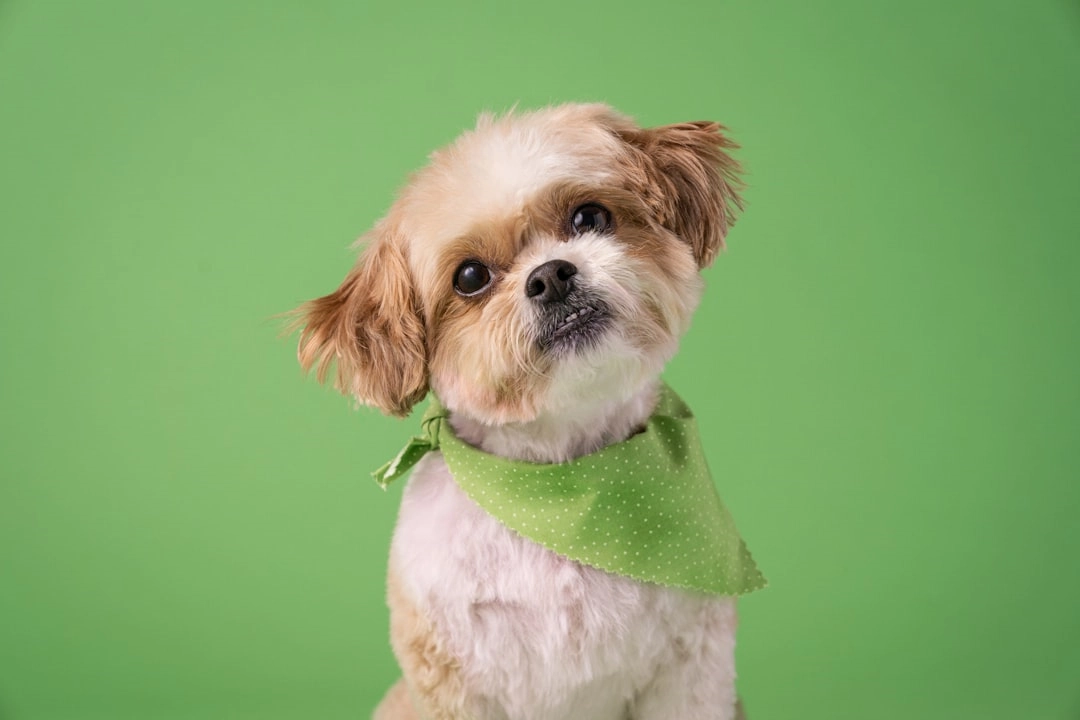
Puppy Costume Anxiety: A Growing Concern for Pet Owners
As the festive season approaches, many pet owners find themselves excited to dress up their furry companions in adorable costumes. However, what may seem like a fun and harmless activity can sometimes lead to unexpected challenges, particularly for puppies. Puppy costume anxiety is a phenomenon that has gained attention in recent years, as more pet parents report their young dogs displaying signs of fear or discomfort when faced with costumes. Understanding this behavior is crucial for ensuring a positive experience for both the puppy and the owner.
Did you know that puppies go through various developmental stages, including fear periods, where they may suddenly become fearful of things they previously accepted? This fear can manifest in different ways, including anxiety towards costumes, which can be overwhelming for both the puppy and the owner. As responsible pet parents, it is essential to recognize these signs and address them appropriately to foster a healthy and confident dog.
In this blog post, we will explore the reasons behind puppy costume anxiety, the importance of understanding canine behavior, and effective strategies to help your puppy overcome their fears. By gaining insight into your puppy’s emotional state and providing the right support, you can ensure that dressing them up for Halloween or any other occasion becomes a joyful experience rather than a source of stress.
Decoding Puppy Costume Anxiety: Insights into Canine Behavior
To effectively address puppy costume anxiety, it is essential to understand the underlying principles of canine behavior. Puppies, like humans, experience a range of emotions, and their reactions to new stimuli can vary significantly based on their developmental stage, socialization experiences, and individual temperament. During the early weeks of life, puppies are particularly impressionable, and their experiences during this time can shape their future behavior.
One of the critical phases in a puppy’s development is the fear period, which typically occurs between 8 to 11 weeks of age. During this time, puppies may suddenly develop fears of objects, sounds, or situations that they were previously indifferent to. This is a normal part of their growth, as it helps them learn to navigate their environment and identify potential threats. However, it can also lead to heightened sensitivity towards unfamiliar items, such as costumes.
Costumes can be particularly daunting for puppies due to their unusual textures, shapes, and the way they alter the dog’s appearance. A costume that may seem cute and harmless to an owner can appear threatening to a puppy, triggering their instinctual fight-or-flight response. This reaction can manifest as barking, hiding, or attempting to escape, which can be distressing for both the puppy and the owner.
Understanding the natural instincts and behaviors of puppies is crucial in addressing costume anxiety. Puppies are naturally curious and playful, but they also rely heavily on their senses to interpret the world around them. Their sense of smell, sight, and hearing play significant roles in how they perceive new experiences. When introducing a costume, it is essential to consider how these sensory factors may impact your puppy’s comfort level.
For instance, the sound of fabric rustling or the smell of unfamiliar materials can be unsettling for a young dog. Additionally, the visual change in their appearance can confuse them, leading to anxiety. Recognizing these factors allows pet owners to approach the situation with empathy and understanding, creating a more supportive environment for their puppy.
Moreover, socialization plays a vital role in shaping a puppy’s behavior. Puppies that have been exposed to a variety of experiences, people, and environments during their critical socialization period (typically between 3 to 14 weeks of age) are more likely to develop confidence and adaptability. If a puppy has had limited exposure to different stimuli, they may be more prone to fear and anxiety when faced with new experiences, such as wearing a costume.
In summary, puppy costume anxiety is a complex issue rooted in the natural behaviors and instincts of dogs. By understanding the developmental stages of puppies, the impact of socialization, and the sensory factors that contribute to their anxiety, pet owners can take proactive steps to help their furry friends feel more comfortable and secure. In the following sections, we will delve into effective training techniques and enrichment activities that can aid in alleviating puppy costume anxiety, ensuring that your pet can enjoy the festivities without fear.
Effective Training Strategies for Comforting Your Puppy
Training is a fundamental aspect of pet ownership, particularly when it comes to addressing behaviors that may indicate anxiety, such as costume phobia in puppies. Effective training can not only help mitigate fear-based reactions, but it also fosters a stronger bond between owner and pet. Positive reinforcement is a particularly useful method, as it rewards desirable behavior rather than punishing undesired actions. Puppies learn best in a supportive environment that encourages them to explore and feel secure.
One of the crucial elements in puppy training is understanding that each dog learns at its own pace. Therefore, patience and consistency are key to establishing effective routines that address a puppy’s costume anxiety. Engaging in structured training sessions as a regular part of your puppy’s routine helps them become acclimated to various environments and stimuli they will encounter, including clothing and costumes. Using treats, praise, and other forms of positive reinforcement makes the training process fun and rewarding for your puppy, thereby increasing the likelihood of them overcoming their anxieties.
Start by introducing your puppy to the fabric and texture of the costume before fully dressing them up. Allow them to sniff, chew, or play with the costume parts to normalize the feel and scent of it. Once they are familiar with the material, you can introduce one part of the costume at a time, allowing your puppy to acclimate gradually without overwhelming them. For instance, you might begin by placing a hat or a small costume item on them for just a few seconds, rewarding them afterward with treats and affectionate praise to create a positive experience.
Consistency is equally important in establishing boundaries. Set aside time daily for these training exercises and use specific commands like “sit,” “stay,” or “gentle” to clarify expected behavior. Maintain a calm demeanor, as puppies are particularly sensitive to their owner’s emotions; if they sense you are anxious, they are more likely to mirror that emotional state. Your puppy should associate wearing costumes with positive outcomes, leading to healthier psychological development.
In addition to gradual introductions, engaging in socialization exercises with costumes and props is invaluable. Consider scheduling playdates with dogs who are comfortable in outfits, letting your puppy observe and interact under control. These interactions can provide essential insight into proper behavior and can help in reinforcing positive experience associated with costume wearing. If executed effectively, socialization and clear training goals will eventually teach your dog that wearing a costume does not constitute a negative experience but rather an exciting adventure to engage with you, their trusted owner.
Recognizing and Tackling Costumed Behavior Issues
Puppies, like any other sentient beings, may display certain behavior issues related to costume anxiety that require proactive and informative management by their owners. Common concerns that manifest as their anxiety around costumes can include excessive barking, trying to escape when wearing a costume, growling, trembling, or, conversely, submissive behaviors like hiding or curling up in a corner. Each behavior should be studied as a signal of underlying uneasiness that demands understanding and appropriate remediation.
The first step in addressing behavioral issues tied to costume anxiety is identifying triggers for your puppy’s fears. This includes observing their behaviors closely during interactions with various outfit pieces. Understanding when they feel nervous—whether it’s during the sound of a fabric swishing or them seeing their reflection in the mirror after wearing a costume—can provide you critical insights for prevention. Ensure your puppy knows it’s okay to show anxiety instead of pressing forward which could escalate their stress.
Another important element is professional consultation. Understanding when to consult a veterinarian or animal behaviorist about costume anxiety can streamline your approaches in resolving behavior issues. Not every challenge demands a specialist; however, when coupled with signs of deeper emotional distress or if training methods show little success over time, enlisting a professional can ultimately prove beneficial. A dog behaviorist can analyze the reasons behind these anxieties and supply actionable insights tailored to your puppy’s needs.
Consider also seeking the involvement of distraction training by providing alternative activities when you sense anxiety starting to manifest. Focusing on toys or positive interactive games can redirect the puppy’s attention towards comfort rather than confusion or fright. Utilizing relaxing play moments helps build their security and self-esteem over the things that spook them.
Lastly, remember that caring and proactive interaction with your puppy during this confusing time lays the groundwork for reshaping negative feelings into acceptance. Practice embracing flexibility throughout the training efforts and stay attentive, recognizing your puppy’s emotional capacity with patience while offering comfort as they traverse the landscape of overcoming costume-related anxieties.

Enhancing Your Puppy’s Life Through Play and Enrichment
Enrichment and play are essential components in ensuring your puppy’s mental and physical well-being, particularly when dealing with anxiety, such as costume phobia. Puppies are naturally curious and energetic creatures that require both mental stimulation and physical activity to thrive. Engaging your puppy in various activities not only helps prevent behavioral issues but also enhances their overall quality of life.
One of the primary benefits of enrichment is that it combats boredom, which can lead to anxiety, destructive behaviors, and hyperactivity. When puppies lack sufficient stimulation, they may resort to unwanted behaviors, such as chewing furniture, excessive barking, or digging. By providing enriching experiences, you can channel their energy into constructive activities, ultimately creating a happier and more balanced pet.
Physical play, such as fetch or tug-of-war, helps burn off excess energy while strengthening the bond between you and your puppy. Additionally, mental stimulation can come from interactive toys, puzzle feeders, or training sessions that challenge your puppy’s problem-solving abilities. Engaging their minds with these activities can also build their confidence, making them less likely to react fearfully to unfamiliar experiences, such as wearing a costume.
Consider incorporating a variety of activities into your puppy’s daily routine. This can include sensory enrichment, such as allowing them to explore different textures, sounds, and scents. For example, taking your puppy for walks in new environments or exposing them to various sounds can help them become more adaptable and resilient to new experiences, including wearing costumes.
Socialization is another critical aspect of enrichment. Allowing your puppy to interact with other dogs and people in a controlled manner helps them learn appropriate behaviors and build confidence. Playdates with other dogs can provide opportunities for your puppy to observe how others respond to new situations, such as wearing costumes, thus normalizing these experiences for them.
Moreover, engaging in training exercises can also serve as enrichment. Teaching your puppy new tricks or commands not only provides mental stimulation but also reinforces positive behavior. The process of learning itself can be a rewarding experience for your puppy, especially when combined with treats and praise. Incorporating training into playtime can make the experience even more enjoyable and fulfilling.
In summary, enriching your puppy’s life through play and stimulation is crucial in addressing issues like costume anxiety. By providing a diverse range of activities that cater to their physical and mental needs, you can help your puppy develop the confidence and resilience necessary to face new experiences with ease.
Clearing Up Common Misunderstandings About Puppy Costume Anxiety
As puppy parents, it’s common to have questions or misconceptions about costume anxiety and how to address it effectively. Understanding the facts can help alleviate concerns and empower you to support your puppy through their fears. Here, we address some frequently asked questions and common misconceptions surrounding puppy costume anxiety.
One common misconception is that puppies will naturally grow out of their fear of costumes without any intervention. While it is true that many puppies will become more comfortable with new experiences as they mature, relying solely on time may not be sufficient. Proactive engagement and training can significantly expedite the process and help prevent the fear from becoming ingrained.
Another question often raised is whether all puppies are susceptible to costume anxiety. The reality is that individual temperament plays a significant role. Some puppies may embrace costumes without hesitation, while others may react fearfully. Factors such as breed, previous experiences, and socialization history can influence a puppy’s comfort level with new stimuli, including costumes.
Many owners also wonder if it is harmful to force a puppy to wear a costume to help them overcome their fear. It is crucial to approach this situation with care. Forcing a puppy into a costume can exacerbate their anxiety and create a negative association with the experience. Instead, gradual exposure and positive reinforcement are key to helping them build confidence in a supportive manner.
Another misconception is that costume anxiety is merely a behavioral issue that will resolve itself. While some puppies may adjust with time, costume anxiety can lead to more severe behavioral problems if left unaddressed. Prolonged fear can result in stress-related issues that may affect your puppy’s overall well-being. Addressing these fears through training, enrichment, and positive experiences is essential for their mental health.
Finally, many owners ask if there are specific breeds more prone to costume anxiety. While any puppy can develop a fear of costumes, some breeds are more sensitive and may exhibit heightened anxiety in new situations. Breeds known for their sensitivity, such as the Cavalier King Charles Spaniel or the Shih Tzu, may require additional support and patience during the training process.
By addressing these common questions and misconceptions, you can better understand puppy costume anxiety and take effective steps to help your furry friend navigate their fears. Remember, the journey to overcoming anxiety is unique for each puppy, and providing a supportive environment is key to fostering a confident and happy companion.
