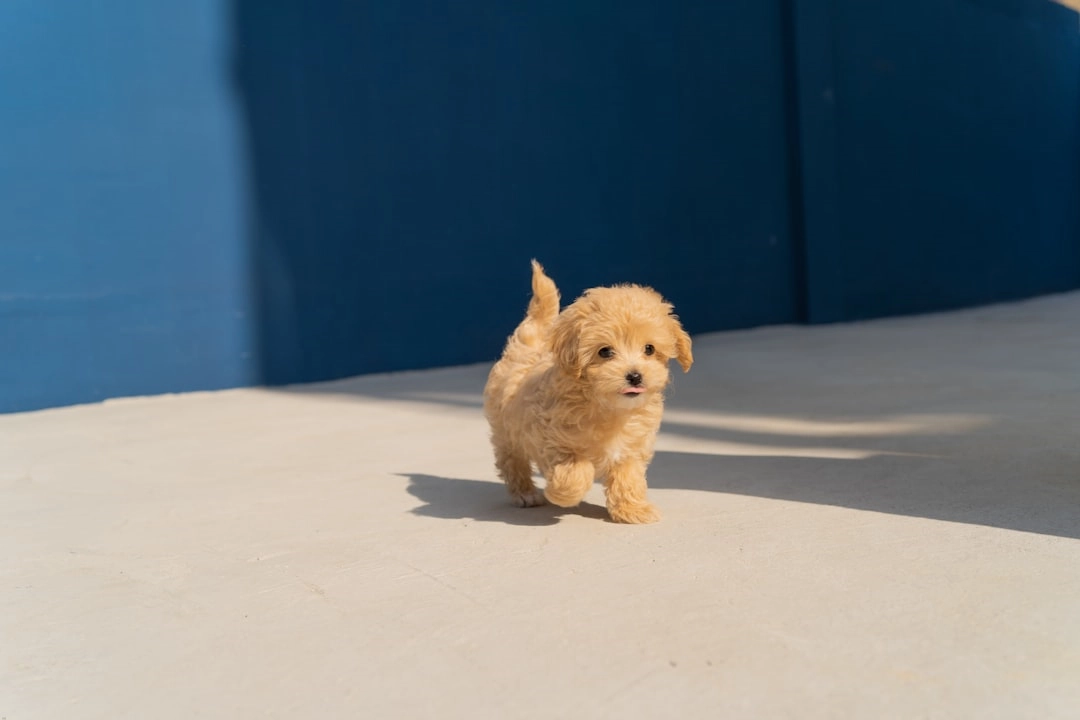
Unlocking the Secrets of Puppy Obedience Training
When it comes to welcoming a new puppy into your home, one of the most exciting yet challenging aspects is training them to be well-behaved companions. Puppy obedience training is not just about teaching commands; it’s about building a strong bond between you and your furry friend. Did you know that a well-trained puppy can significantly enhance your quality of life? Studies show that dogs who receive proper training are less likely to exhibit behavioral issues, making them happier and healthier pets. In this blog, we will explore the fundamentals of puppy obedience training, focusing on effective reinforcement techniques that can lead to a harmonious relationship with your pet.
Many new puppy owners often wonder, “How do I get my puppy to listen to me?” The answer lies in understanding the principles of positive reinforcement and the psychology behind canine behavior. Puppies are naturally curious and eager to please, which makes them highly trainable. However, without the right approach, training can become frustrating for both the owner and the puppy. This is where the importance of understanding animal behavior comes into play. By recognizing how puppies think and learn, you can tailor your training methods to suit their needs, ensuring a more effective and enjoyable experience for both of you.
Decoding Puppy Behavior: The Key to Effective Training
Understanding puppy behavior is crucial for successful training. Puppies, like all animals, have innate instincts and behaviors that influence how they interact with their environment and the people around them. For instance, puppies are social animals that thrive on interaction and companionship. They are also naturally inclined to explore their surroundings, which can sometimes lead to unwanted behaviors if not properly managed.
One of the first things to consider is the natural instincts that drive a puppy’s behavior. For example, puppies have a strong instinct to chew, which is essential for their dental health and helps them explore the world around them. However, this instinct can lead to destructive chewing if they are not provided with appropriate outlets, such as chew toys. Understanding these instincts allows you to redirect your puppy’s behavior positively, reinforcing good habits while discouraging unwanted ones.
Another important aspect of puppy behavior is their communication style. Puppies communicate through body language, vocalizations, and even facial expressions. For instance, a wagging tail often indicates excitement or happiness, while a tucked tail may signal fear or submission. By learning to read these signals, you can better understand your puppy’s emotional state and respond accordingly. This understanding fosters a deeper connection between you and your puppy, making training sessions more effective.
Moreover, different breeds exhibit unique behavioral traits that can influence training methods. For example, herding breeds like Border Collies are known for their intelligence and high energy levels, requiring more mental and physical stimulation during training. On the other hand, breeds like Bulldogs may be more laid-back and require a gentler approach. Recognizing these breed-specific behaviors can help you tailor your training techniques to suit your puppy’s individual needs, ensuring a more successful training experience.
In addition to understanding instincts and communication, it’s essential to consider the role of socialization in puppy training. Socialization involves exposing your puppy to various environments, people, and other animals to help them develop confidence and adaptability. A well-socialized puppy is less likely to exhibit fear-based behaviors, such as aggression or anxiety, making training more manageable. Early socialization is critical, as puppies are most receptive to new experiences during their first few months of life.
Finally, patience and consistency are key components of effective puppy training. Puppies thrive on routine and clear expectations. By establishing a consistent training schedule and using positive reinforcement techniques, such as treats and praise, you can encourage your puppy to learn and grow. Remember, training is a journey, and every puppy learns at their own pace. Embrace the process, celebrate small victories, and enjoy the bond you are building with your furry companion.
In summary, understanding puppy behavior is the foundation of successful obedience training. By recognizing their natural instincts, communication styles, and the importance of socialization, you can create a positive training environment that fosters learning and strengthens your bond. With patience, consistency, and a little creativity, you can transform your puppy into a well-behaved and happy member of your family.
Effective Methods for Puppy Obedience Training
Puppy obedience training is essential for establishing a well-mannered companion. Puppies are naturally curious and playful, which can lead to challenges if their behaviors aren’t properly guided. Training is not just about teaching a puppy to sit or stay; it cultivates a balanced and respectful relationship between owner and pet. More importantly, effective training shapes a puppy’s behavior into a desirable personality that suits family dynamics.
The importance of training lies not only in correcting inappropriate behavior but also in nurturing the dog’s understanding of human expectations. Through consistent practice, puppies learn what behaviors earn positive feedback—like treats, praise, and affection—and which do not. This foundational learning helps avoid many behavioral problems later in life.
Positive reinforcement techniques are integral to puppy training. This method involves rewarding desired behaviors, making the puppy more likely to repeat those actions in the future. For instance, when your puppy comes when called, a treat reinforces this behavior and promotes the idea that coming when called yields positive outcomes. In contrast, focusing on correction without guidance—like yelling or physical punishment—can lead to fear or aggression in puppies.
Puppies thrive on routine and predictability. Creating a structured training plan including regular feeding, play, and toilet schedules helps the puppy anticipate various activities throughout the day. A predictable routine makes teaching specific commands—such as “sit,” “stay,” or “leave it”—much easier, as the puppy can associate the reward, praise, and the command more clearly over time.
Consistency also plays a pivotal role in training. All family members must be on the same page regarding training commands and methods; otherwise, confusion may develop. For instance, if one person allows the puppy on the couch and another prohibits it, it can create uncertainty for the puppy, leading to stress and frustration on both ends.
Furthermore, establishing a peaceful training environment free of distractions assists in better focus. This might include a quiet room for initial command training and progressively transitioning the puppy to more challenging and engaging settings as they demonstrate competence. This method gives an effective roadmap for social skills development and adaptability.
A well-designed training plan can effectively cater to various developmental stages of puppies. Young pups will benefit from basics like impulse control and basic command responses, while older puppies may need structure like loose-leash walking, reinforcement of good bathroom habits, and integrative social skill learning. Tackling multiple goals through staged or gradual milestones brings the learning process together cohesively for the puppy.
Managing and Correcting Puppy Behavioral Problems
Alongside basic training, addressing behavioral issues is a common but critical aspect of responsible dog ownership. Various behavioral challenges can arise during a puppy’s development, including excessive barking, chewing, or even signs of aggression or fear. Understanding why these behaviors occur and employing the right interventions can alleviate many concerns owners have regarding their new pets.
Firstly, addressing these behavioral issues begins with identification. Why is your puppy barking excessively? Common reasons can range from boredom, anxiety, fear, or territory defense. A key step in addressing behavior is not just managing the action but understanding its motive. Each behavior has an underlying cause that needs attention to form a comprehensive correction plan. Through patience, careful observation, and consistent feedback from training, owners can manage behavioral issues effectively.
Another common problem is destructive chewing, especially prevalent in puppies who are teething or simply exploring. It’s essential to differentiate between chewing to explore and behavior stemming from anxiety. If a puppy chews on furniture instead of their toys, it’s crucial to modify their surroundings. Remove tempting objects and provide safe chew toys to guide their desire to bite onto more appropriate materials.
A very significant situation arises when encountering fear-based or aggressive behaviors. Socialization plays a critical role in this area. Ensuring that puppies are adequately socialized can address many behaviors stemming from fear or unfamiliarity with their environment. It’s beneficial to gradually introduce puppies to new experiences, sights, sounds, and other animals to make their world larger and more comfortable.
However, if severe behavioral issues remain persistent despite addressing underlying factors through consistent behavior correction, seeking professional assistance from an animal behaviorist or dog trainer could provide specialized guidance. Professional trainers are equipped with behavioral training methods catered to deal with issues that may arise during a pet’s behavior modification journey.
Furthermore, creating a fun atmosphere during the correction process while making small training sessions incredibly engaging plays a significant role in establishing manageable expectations, as pets can be slightly perplexed in highly demanding scenarios. Keeping interactions positive, fruitful, and enjoyable positively links back to the lessons they’ve learned and satisfies both your bonding and learning experiences together!
In essence, effective methods of puppy obedience training are intrinsically linked to managing behavioral problems. The combined strength of understanding canine psychology—explored through consistent positive training—and the prevention and management of challenges forms a complete training paradigm. It nurtures healthy, respectful behaviors by fostering enriched communication between owner and puppy, benefitting all parties involved.

Enhancing Puppy Life: The Role of Enrichment and Play
When it comes to puppy training, enrichment and play are essential components that contribute to a happy and well-adjusted pet. Just like humans, puppies require mental and physical stimulation to thrive. Engaging your puppy in various activities not only enhances their overall well-being but also helps prevent behavioral issues that can arise from boredom and excess energy.
The importance of mental stimulation cannot be overstated. Puppies are naturally curious creatures, eager to explore their environment. Providing them with stimulating toys, puzzle feeders, and interactive games can keep their minds engaged and sharp. For example, toys that dispense treats when solved can encourage problem-solving skills while also rewarding them for their efforts. This not only makes playtime enjoyable but also fosters cognitive development.
Physical exercise is equally important for a puppy’s health. Regular play sessions allow puppies to expend energy, which can help reduce hyperactivity and destructive behaviors at home. Activities such as fetch, tug-of-war, and agility training can provide excellent outlets for physical exercise. Additionally, taking your puppy for walks in different environments introduces them to new sights and smells, enriching their experiences and socializing them with other dogs and people.
Moreover, structured playtime can reinforce training lessons. Incorporating obedience commands into play helps solidify what your puppy has learned. For instance, practicing “sit” or “stay” before throwing a toy can strengthen their understanding of commands while making training feel like a fun game rather than a chore. This approach helps create a positive association with training and reinforces good behavior in a relaxed atmosphere.
Enrichment also comes in the form of socialization. Allowing your puppy to interact with other dogs and people is crucial for developing their social skills. Socialization helps prevent fear-based behaviors and promotes confidence in new situations. Puppy playgroups, dog parks, or even organized training classes can provide excellent opportunities for your puppy to meet new friends and learn appropriate play behaviors.
It’s essential to balance both mental and physical activities in your puppy’s routine. A combination of stimulating games, training sessions, and social interactions can lead to a well-rounded pet who is happy, confident, and well-behaved. Moreover, understanding your puppy’s individual preferences and energy levels will help you tailor enrichment activities that best suit their needs, making training and playtime even more effective.
In conclusion, integrating enrichment and play into your puppy’s daily life is vital for their development. By providing opportunities for mental and physical stimulation, you can prevent behavioral issues, reinforce training, and cultivate a strong bond with your furry companion. With a little creativity and effort, you can turn training and play into an enjoyable adventure for both you and your puppy.
Debunking Myths: Addressing Common Questions About Puppy Training
As a new puppy owner, you may encounter a plethora of questions and misconceptions surrounding puppy training. It’s essential to clarify these common myths to ensure a positive and effective training experience for both you and your furry friend.
One prevalent misconception is that training should only occur during the puppy’s early months. While it’s true that puppies are more receptive to learning during their formative weeks, training can and should be an ongoing process throughout your dog’s life. Regular training sessions help reinforce good behavior and adapt to changing circumstances as your puppy grows. Continuing to teach new tricks and commands can also keep your dog mentally stimulated and engaged.
Another common question is whether positive reinforcement is the only effective training method. While positive reinforcement—rewarding good behavior with treats, praise, or play—is highly effective, it’s important to note that different dogs may respond to various methods. Some puppies may require a combination of positive reinforcement and gentle corrections to understand boundaries. However, physical punishment or negative reinforcement can lead to fear and anxiety, which can hinder the training process. The goal is to create a trusting relationship with your puppy based on positive experiences.
Many owners wonder if they can train their puppies without professional help. While professional trainers can provide valuable insights and techniques, many owners successfully train their puppies using online resources, books, and guidance from experienced dog owners. The key is to remain patient, consistent, and committed to the training process. Engaging in local puppy classes can also be beneficial for both training and socialization.
Another common question revolves around the idea that certain breeds are inherently more difficult to train than others. While some breeds may exhibit stronger instincts or traits that affect their trainability, every puppy has the potential to learn and grow. Individual temperament, socialization experiences, and the owner’s approach to training play a significant role in a puppy’s success. Tailoring training techniques to match your puppy’s personality and breed characteristics can lead to better results.
Lastly, many owners are concerned about the timeline for training their puppies. It’s essential to remember that every puppy learns at their own pace. Some may grasp commands quickly, while others may require more time and repetition. Patience is key; avoid comparing your puppy’s progress to others. Celebrate small victories along the way, and remain committed to the training journey.
In summary, addressing common questions and misconceptions about puppy training can help set you and your puppy up for success. Understanding that training is a lifelong process, recognizing the importance of positive reinforcement, and being patient with your puppy’s learning journey will lead to a well-behaved and happy companion. By dispelling these myths, you can create a more enriching and effective training experience for both you and your furry friend.
