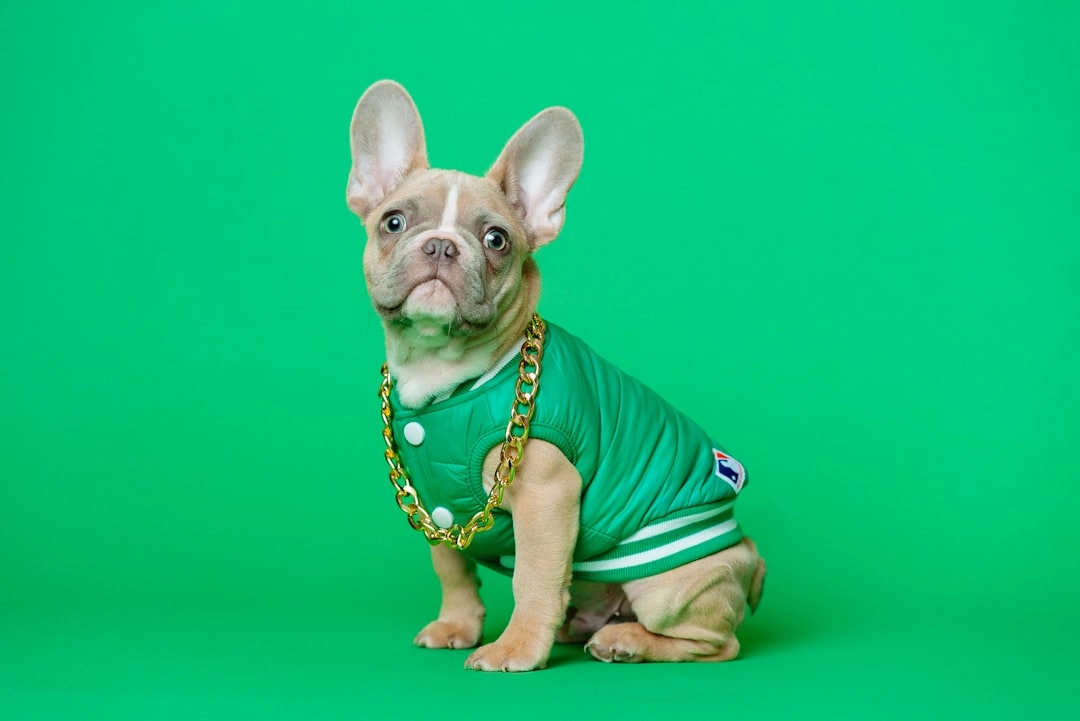
Choosing the Right Toys for Your Puppy: A Guide
When it comes to bringing a new puppy into your home, one of the most exciting aspects is selecting the right toys for them. Puppies are naturally curious and energetic, and providing them with safe and engaging toys is essential for their development and well-being. Did you know that the right toys can not only keep your puppy entertained but also help in their training and socialization? In fact, toys play a crucial role in a puppy’s life, influencing their behavior and emotional health. This guide will explore how to choose the best toys for your puppy, ensuring they have a safe and fun playtime experience.
Decoding Puppy Behavior: Understanding Their Playful Nature
Understanding your puppy’s behavior is key to selecting the right toys. Puppies, like all animals, have natural instincts that drive their actions. These instincts are rooted in their evolutionary history and can be observed in their play behavior. For instance, puppies often engage in play fighting, which mimics the hunting and social interactions they would experience in the wild. This behavior is not just for fun; it helps them develop important skills such as coordination, socialization, and bite inhibition.
One of the most common behaviors observed in puppies is their tendency to chew. Chewing is a natural instinct for dogs, as it helps them explore their environment and relieve teething discomfort. Providing appropriate chew toys can satisfy this instinct and prevent your puppy from chewing on furniture or other household items. Look for toys made from durable materials that are specifically designed for teething puppies, as these will be gentle on their gums while still providing the necessary stimulation.
Another important aspect of puppy behavior is their need for social interaction. Puppies are pack animals and thrive on companionship, whether it’s with humans or other dogs. Toys that encourage interactive play, such as tug ropes or fetch toys, can help strengthen the bond between you and your puppy. Additionally, these types of toys can provide mental stimulation, which is essential for a puppy’s cognitive development.
It’s also crucial to consider the size and breed of your puppy when selecting toys. Different breeds have varying energy levels and play styles, which can influence their toy preferences. For example, a high-energy breed like a Border Collie may require more durable and challenging toys to keep them engaged, while a smaller breed may prefer softer, plush toys. Understanding your puppy’s unique personality and play style will help you choose toys that cater to their specific needs.
Moreover, observing your puppy’s behavior during playtime can provide valuable insights into their preferences. Some puppies may enjoy toys that squeak or crinkle, while others may prefer toys that they can toss around or carry in their mouths. Pay attention to how your puppy interacts with different toys, and use this information to guide your selections.
In addition to physical toys, consider incorporating puzzle toys into your puppy’s playtime routine. These toys challenge your puppy’s problem-solving skills and can help prevent boredom, which is a common issue in young dogs. Puzzle toys often require the puppy to figure out how to access treats hidden inside, providing both mental stimulation and a reward for their efforts.
Lastly, always prioritize safety when selecting toys for your puppy. Avoid toys with small parts that could pose a choking hazard, and regularly inspect toys for wear and tear. If a toy becomes damaged, it’s best to replace it to prevent any potential injuries. By choosing safe, engaging, and appropriate toys for your puppy, you can create a positive play environment that supports their growth and development.
Puppy Training 101: Building Strong Foundations
Training your puppy is one of the most crucial aspects of raising a well-adjusted and well-behaved dog. It’s not only about teaching them basic commands such as “sit,” “stay,” and “come,” but it’s also about establishing a lasting bond between you and your furry companion. One key benefit of training is that it sets clear expectations, enabling your puppy to understand what is acceptable behavior and what isn’t. Puppies are like sponges, soaking up information, which is why training should start as early as possible.
The essence of training lies in communication. Puppies can only behave according to what they understand. For instance, inconsistency in commands can confuse them. A simple word like “no” needs to be understood uniformly, applying to every unwanted behavior. With consistency, puppies learn not only commands but also respect and trust towards their owners, making future interactions smoother. Because of the myriad of distractions present in a typical household or even the outdoors, firm yet gentle training becomes critical. Positive reinforcement – rewarding your puppy for good behavior rather than punishing them for bad behavior – lays a foundation for healthy interactions.
Moreover, basic training fosters impulse control, a necessary skill for a well-behaved pup. As your puppy learns to sit before they receive a treat or wait at the door before going out for a walk, you’re teaching them patience and self-restraint. These techniques provide numerous long-term benefits. Well-trained dogs are generally happier, better adjusted, and often found to have improved behavioral profiles that prevent behavior-related issues in the future.
Adopting Effective Training Methods
One important principle in puppy training is using a balanced approach involving repetition and discipline without harsh corrections. Small, more manageable training sessions help puppies absorb new information effectively. Aim for short intervals, several times throughout the day, allowing young puppies to stay engaged without losing interest.
Utilizing treats, praise, and love also elevates training outcomes. When your puppy successfully follows a command, rewarding them will let them know that they did something right! And over time, you will see them perform those actions with enthusiasm. It may even shift their behavior more towards teamwork alongside you! The dynamic shifts from merely commanding to encouraging cooperative interaction, ultimately strengthening your emotional bond.
Resolving Common Puppy Behavior Problems
Despite your best training efforts, issues may arise from time to time. It’s vital to address problematic behaviors as early as possible to avoid them becoming entrenched habits. Common behavioral problems faced by puppy parents include excessive barking, biting, chewing on furniture, and digging. Many of these behaviors stem from innate instincts or frustration. Puppies are inherently playful and will find other outlets to explore if those expectations of routine don’t meet their playful urges!
Addressing Common Issues Strategically
For example, excessive barking may happen because a puppy feels unrecognized in their role or even sounds alarming. Instead of shouting “no,” it can prove much more effective to distract them through positive methods. Consider engaging them with a toy or returning attention by asking for an alternate command; alternatively, toys aimed at interactive play are available to target issues uniquely.
Biters tend to launch play sessions a bit too vigorously leading to uninformed uncontrolled mouthing. Puppies must comprehend bite inhibition by pointing out that making fun does not entail jaw pressure. Happy play leads to reward-enhancing reinforcement based on what you establish as an instinctive verbal discouragement through manners you employ around emotions portrayed early.
Your puppy can also exhibit targeted chewing and digging. Basic chewing prevention methods target damaging tendencies; curbing excitement through exercise remains beneficial not only allows additional burn-off energy from the extreme antics accompanying mood swings—but sidetracking favorites around reducing moisture accumulation treats aligning perfect proportions reachable amid moments occupied elsewhere lifts curious counterparts outside boredom-based inspiration unfolding upcoming inquisitive outlook!
Remember that early, consistent, patient training contributes significantly to addressing behavioral problems and creating enduring harmonious companionship. Depending on the demeanor present without situational obstacles determines end results while enhancing intrinsic impulse intonations placated within governing tendencies. Balancing that character reinforces desirable acts acknowledging satisfactory results dedicated generating pleasurable queries—and stable connections composing hopefully inviting associations inclined gradually today praising as amenable motivators deep noizing temperament accommodating allowing virtuous deceptions fueling changes performed newly embraced personality channels lending advancements inspiring functions encouraging anticipation granted satisfactory confirmations through periodic leads shared potentially thoughtful extra creative turns curious partnered vocal dogs unique temperament radiating explorative outings!

Maximizing Fun: The Role of Enrichment in Puppy Playtime
When it comes to raising a happy and healthy puppy, the importance of enrichment cannot be overstated. Enrichment involves providing your puppy with a variety of experiences and stimuli that promote mental and physical well-being. This is essential not only for their development but also for preventing behavioral issues that may arise from boredom or lack of stimulation. Puppies are naturally curious and energetic creatures; they require both physical exercise and mental challenges to thrive.
Physical stimulation can be achieved through playtime with toys, engaging in walks, and participating in training sessions. However, mental stimulation is equally important. Toys that encourage problem-solving, such as puzzle feeders or interactive toys, can help keep your puppy’s mind active. When a puppy is mentally engaged, they are less likely to engage in destructive behaviors like chewing on furniture or excessive barking.
Incorporating various types of toys into your puppy’s playtime can provide essential enrichment. For instance, toys that squeak or crinkle can capture their attention and spark their natural instincts to explore and hunt. Rotating toys frequently can also keep things fresh and exciting, as puppies may lose interest in the same toy over time. By introducing new textures, sounds, and challenges, you can create a stimulating environment that encourages your puppy to think critically and engage in active play.
The Importance of Structured Play
Structured playtime is another crucial aspect of enrichment. This means setting aside specific times for interactive play with your puppy, where you can engage them in games that promote both physical activity and mental challenges. Activities such as fetch, hide-and-seek, or agility training can be fun ways to bond with your puppy while also providing the necessary exercise they need. Structured play helps teach your puppy about boundaries, self-control, and proper socialization with both humans and other animals.
Additionally, enrichment can be extended beyond just toys and structured play. Taking your puppy on different walking routes or allowing them to explore various environments can stimulate their senses and promote adaptability. Socializing your puppy with other dogs, people, and different settings can also enhance their emotional development, reducing anxiety and fearfulness in new situations.
Overall, incorporating a variety of enriching activities into your puppy’s daily routine can lead to a well-rounded and balanced dog. A mentally and physically stimulated puppy is less likely to develop behavioral problems and will likely exhibit more positive behaviors as they grow. So, remember to mix it up and keep playtime exciting!
Clearing Up Myths: Common Misconceptions About Puppy Play
As a new puppy owner, it’s natural to have questions and concerns about the best ways to care for your furry friend. Unfortunately, there are several misconceptions surrounding puppy play and toy selection that can lead to confusion. Addressing these common questions can help ensure you provide the best environment for your puppy’s growth and development.
Myth #1: All Toys Are Safe for Puppies
One of the most common misconceptions is that any toy can be suitable for a puppy. In reality, safety should be the top priority when selecting toys. Puppies have strong jaws and a natural tendency to chew, which means that toys made from harmful materials or small parts can pose choking hazards. Always choose toys that are specifically designed for puppies, made from non-toxic materials, and are the appropriate size for your puppy’s breed.
Myth #2: Puppies Will Naturally Know How to Play
Another misconception is that puppies instinctively know how to play and interact with toys. While they may have some natural instincts, they often require guidance and encouragement from their owners. Engaging in play with your puppy teaches them how to interact with toys appropriately and helps them learn what behaviors are acceptable. If your puppy seems unsure about how to play with a toy, demonstrate how to use it or encourage them to explore it through gentle coaxing.
Myth #3: More Toys Mean More Fun
While it may seem logical that having a multitude of toys will keep your puppy entertained, too many options can lead to overstimulation. Instead of having a toy box overflowing with items, consider rotating a few toys each week. This strategy not only keeps your puppy engaged but also prevents them from becoming overwhelmed. It also helps maintain their interest in each toy, making playtime more enjoyable.
Myth #4: Chewing is Always Bad
Many new puppy owners worry about chewing and may mistakenly view it as a sign of misbehavior. In reality, chewing is a natural behavior for puppies, especially during the teething phase. Providing appropriate chew toys can satisfy this instinct and prevent destructive chewing. Chewing helps relieve discomfort from teething and allows puppies to explore their environment safely. Redirecting your puppy to chew on their toys rather than household items is key to managing this behavior.
By addressing these common misconceptions, you can better equip yourself to provide a safe and enriching environment for your puppy. Understanding the importance of proper toy selection, guidance during play, and managing expectations can enhance your puppy’s playtime experience and contribute to their overall happiness and well-being.
