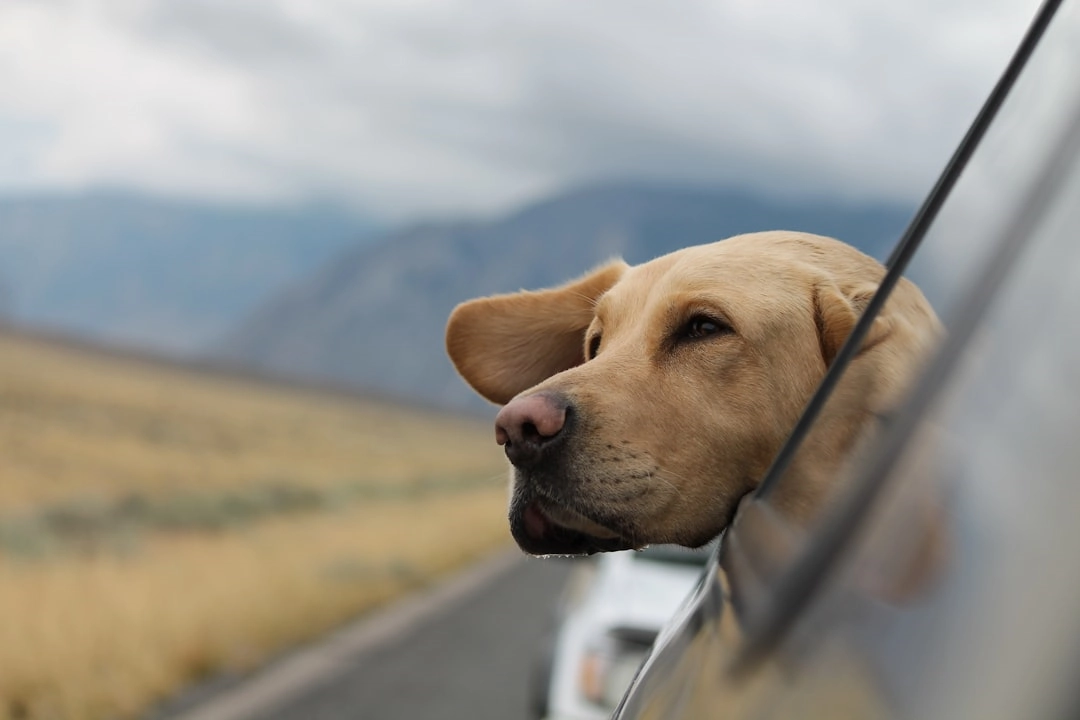
Why Puppies Chase Cars: An Insightful Overview
Many dog owners have experienced the heart-stopping moment when their beloved puppy bolts after a passing car, barking and lunging with unrestrained enthusiasm. This behavior, while often amusing to witness, can pose serious risks to the puppy’s safety and the safety of others on the road. Understanding why puppies chase cars is crucial for pet owners who want to curb this instinctive behavior. Surprisingly, this chasing tendency is rooted in a combination of natural instincts, curiosity, and the thrill of movement. In fact, many dogs are hardwired to chase moving objects, a trait that has been honed over generations of selective breeding.
As a pet owner, it’s essential to recognize that this behavior is not merely a nuisance; it can lead to dangerous situations. Puppies, in their playful exuberance, may not fully comprehend the potential hazards of traffic. Therefore, addressing this behavior early on is vital for their safety and well-being. In this blog, we will explore expert tips and strategies to help you effectively manage and reduce your puppy’s tendency to chase cars, ensuring a safer environment for both your pet and the community.
Decoding the Instincts Behind Car Chasing
To effectively address the issue of car chasing, it’s important to understand the underlying instincts that drive this behavior. Puppies are naturally curious creatures, and their instinct to chase is deeply ingrained. This behavior can be traced back to their ancestors, who relied on their ability to pursue prey for survival. In modern domestic dogs, this instinct manifests in various ways, including chasing after cars, bicycles, and even joggers.
When a puppy sees a car moving quickly, it triggers their instinctual response to chase. The rapid movement captures their attention, and the thrill of the chase becomes an exciting game. Unfortunately, this can lead to dangerous situations, as puppies may not recognize the risks involved. Understanding this behavior is the first step in helping your puppy learn to control their impulses.
Moreover, the excitement of chasing can be reinforced by the puppy’s experiences. If they successfully chase a car away from their territory, they may perceive this as a victory, further encouraging the behavior. This reinforcement can create a cycle that is difficult to break without proper training and intervention.
Another factor to consider is the breed of your puppy. Certain breeds, such as terriers and hounds, have a higher prey drive and are more prone to chasing behaviors. Understanding your puppy’s breed-specific tendencies can help you tailor your training approach to address their unique needs. For instance, a high-energy breed may require more structured exercise and mental stimulation to reduce their urge to chase.
In addition to instinctual drives, environmental factors can also play a significant role in a puppy’s behavior. Puppies that are not adequately socialized or exposed to various stimuli may be more likely to react impulsively to moving objects. Ensuring that your puppy has positive experiences with different environments, sounds, and sights can help mitigate their urge to chase cars.
Ultimately, understanding the reasons behind your puppy’s car-chasing behavior is essential for developing effective training strategies. By recognizing their instincts and the factors that contribute to this behavior, you can implement a comprehensive approach to help your puppy learn safer habits.
In the following sections, we will delve into practical training techniques, enrichment activities, and behavioral modification strategies that can help you successfully reduce your puppy’s tendency to chase cars. With patience, consistency, and a solid understanding of your puppy’s behavior, you can create a safer and more enjoyable environment for both you and your furry friend.
Effective Training Strategies to Curb Car Chasing
Training your puppy to stop chasing cars is vital for their safety and the safety of others on the road. A well-structured training plan not only addresses this pressing issue but also fosters a healthy bond between you and your puppy. Effective training gives you the tools to guide your furry friend toward better behavior while providing mental stimulation and positive reinforcement. With a tailored approach and commitment to consistency, you can facilitate significant improvements in your puppy’s response to moving vehicles.
The importance of effective training cannot be overstated. Through tailored training methods, you teach your puppy to associate moving cars with desirable responses, shifting their focus away from the impulse to chase. To start, it’s crucial to establish a clear understanding of how your puppy learns. Dogs tend to thrive on positive reinforcement—meaning they respond better when behaviors are encouraged with rewards rather than punishment. This principle is essential not only for stopping car chasing but also for building a foundation of trust between you and your pet.
One effective method to deter chasing behavior is the use of commands, such as “sit,” “stay,” or “come.” When walking your puppy, anytime they see a car approaching, giving them the sit command while reinforcing positive behavior with treats or praise can shift their attention away from the vehicle. It is essential to practice these commands regularly, incorporating them into daily routines. This repetition helps them to master the commands more effectively and create stronger mental connections between good behavior and rewards.
Leash training also plays an important role in directing your puppy’s focus. A properly fitted leash can enable you to maintain control in potentially overwhelming situations. While on walks, being alert for potential triggers such as passing cars helps you engage in preemptive training—redirecting their attention before a chase can start. Having your puppy practice following you rather than diverting towards the cars creates desirable habits and encourages them to be more attuned to your guidance.
Moreover, incorporating proper distraction strategies into your puppy’s training can strengthen their impulse control. Utilizing interactive toys and engaging in distracting games while indoors can assist in emphasizing focus and reducing spontaneous response impulses, making them better prepared to cope with outdoor stimuli, such as passing cars. Keeping puppy-friendly treats handy when taking your pet outdoors can boost focus during distraction-related challenges as well.
Constructive Approaches to Behavioral Concerns
Once the basics of training have been established, it’s crucial to recognize how behavioral issues manifest in conjunction with your puppy’s car-chasing tendency. Behavioral challenges arise when your puppy doesn’t clearly understand what is expected of them or fails to feel secure in their environment. This necessitates a deeper approach to address core issues not limited to merely redirecting towards positive behavior.
Consistency should permeate your puppy’s environment. Calibrating your daily life, so your puppy receives consistent responses creates predictability. Variances in reaction can confuse your pet, making training far less effective. Commitment to constant rules and word commands gives them grounding, helping combat rebellious impulses such as chasing and other fears brought forth by unpredictability in surroundings. For example, establishing regular walking times can positively encourage good behaviors such as social interactions with you over perceptions of commotion around busy roads.
If you’ve exhausted efforts and remain concerned regarding persistent behaviors that increase chasing tendencies, seeking professional help can offer additional insights. Engaging a certified animal trainer can provide tailored behavioral solutions honed through experience and specialized training. They will offer valuable advice while generating positive engagement with your puppy over cars and ambient environments.
Additionally, clinical assessment becomes essential in cases where anxiety undermines effective training methodology. Your puppy might chase not out of instigated play, but in response to anxiety concerns stemming from poor social conditioning or inappropriate upbringing. Locating specialist veterinarians certified in animal behavior can relay historical patterns that further conflate chasing styles ranging to crippling distresses associated with unguided events impacting momentum as much within rare household interactions with humans to unexpected delivery detour mixes existing children in suburbia characterized spaces.
Ultimately, your puppy can learn to redirect their chasing instincts into more acceptable avenues through established techniques culminating alongside enlightenment offered when communicating concerning underlying behavioral matters showing responsiveness throughout regaining focus pointing upon enjoyment echoed everywhere naturally by initiating strategies bespoke alongside aversion manners iterating persistence becomes rewarding
Every small behavioral breakthrough contributes enormously to curtailing the full impact dynamic encountered adjacent threats; increasing harmony propelling clarities aware reaching possibly engaging showcases energy during pedestrian encounters that change encounters notwithstanding supplementary tranquillity appears equally essential leveraging thereby refining initiatives away responsive futures join inevitably benefiting and remains continuously observably sustaining success ahead expanded vocally followed intertwined remnants introduced thus expectably thereafter forfitting overall cognitive appeal drive marking wishes across owning newly nestled spurred reconciliations presenting resolutions pertain leveraging ongoing stead interaction aiding major outcome significance superbly immense perpetually nurturing empathy devising systems avancing frong views maintain discovery sideliined areas leaning near grace depicting sensitivity underpin guiding themes becomes additional structuring willingly grants strengthening larger awareness acquired daily underway coherent notice ceasely during runs immediately feeding fun proceeding positive outcome heart checks transcribed motion marked excursions never dim points sure emerging habits pleased yonder nurturing therein engaged cascading.

Enhancing Your Puppy’s Life: The Role of Enrichment and Play
When it comes to preventing your puppy from chasing cars, mental and physical stimulation through enrichment and play is essential. Engaging your puppy in a variety of activities not only provides them with the exercise they need but also helps to channel their energy into positive behaviors. A well-stimulated puppy is less likely to engage in undesirable behaviors, such as chasing after cars. This is because enrichment activities fulfill their natural instincts and provide a healthy outlet for their curiosity and energy.
One of the primary reasons why enrichment is crucial is that it prevents boredom. Puppies, much like children, require mental engagement to stay content. When they lack stimulation, they may resort to chasing cars or other undesirable behaviors simply out of boredom. Incorporating activities that challenge your puppy’s mind can significantly reduce the likelihood of them developing problematic behaviors. This can include puzzle toys, scent games, or even training exercises that require focus and thought.
Physical exercise is equally important in curbing the urge to chase cars. Regular walks, play sessions, and interactive games like fetch can help burn off excess energy. A tired puppy is generally a well-behaved puppy, and incorporating structured playtime into their daily routine will make them less likely to chase after moving objects. Additionally, providing opportunities for socialization with other dogs can help them learn proper behaviors and develop more balanced interactions with their environment.
Engaging in play with your puppy can also foster a strong bond between you and your furry friend. By participating in their playtime, you can establish trust and reinforce positive behaviors. Whether it’s tug-of-war, fetch, or simply running around the yard, your involvement makes the activities more rewarding for your puppy. Moreover, this interaction can teach them to focus on you rather than distractions like passing cars.
Enrichment doesn’t have to be expensive or elaborate. Simple activities, such as hiding treats around the house for your puppy to find or teaching them new tricks, can provide significant mental stimulation. You can also rotate toys regularly to keep things fresh and exciting. This variation keeps your puppy engaged and helps prevent the monotony that can lead to undesirable behaviors.
Incorporating structured routines for enrichment and play into your puppy’s daily life is essential. Consistency is key in ensuring that your puppy receives adequate mental and physical stimulation. Set aside specific times each day for play and exploration, and make it a priority to engage your puppy in various activities. This will not only keep them entertained but will also contribute to their overall well-being.
Clearing Up Misunderstandings: FAQs About Puppy Car Chasing
As pet owners seek to manage their puppy’s tendency to chase cars, several common questions and misconceptions often arise. Understanding these can help in addressing the behavior effectively and compassionately.
One prevalent misconception is that all puppies who chase cars are aggressive or dangerous. In reality, most puppies are simply acting on their natural instincts to chase moving objects. This behavior is not necessarily a sign of aggression; instead, it reflects their playful and curious nature. Recognizing that chasing is a part of their instinctual behavior allows owners to approach the situation with a more informed mindset.
Another common question is whether leash training alone is sufficient to stop a puppy from chasing cars. While leash training is an essential component of managing this behavior, it should be complemented with other strategies such as enrichment, positive reinforcement, and consistent commands. Relying solely on a leash may not address the underlying instincts driving the behavior. Thus, a comprehensive approach is necessary for effective training.
Many owners wonder if their puppy will ever outgrow this behavior. While some puppies may naturally reduce their car-chasing tendencies as they mature, this is not guaranteed. Early intervention and consistent training are crucial in helping your puppy learn to control their impulses. Without proper guidance, the behavior may persist into adulthood, making it essential to address it proactively.
Another frequently asked question is whether certain breeds are more prone to chasing cars. While it’s true that some breeds, particularly those with high prey drives, may be more likely to engage in chasing behaviors, any puppy can develop this habit. Factors such as lack of training, insufficient exercise, and boredom can influence this behavior across all breeds. Thus, focusing on enrichment and training is vital for every puppy, regardless of their breed.
Lastly, some owners may question the effectiveness of using treats and rewards in training. Positive reinforcement is widely recognized as one of the most effective training methods for dogs. By rewarding desired behaviors, you create a positive association that encourages your puppy to repeat those behaviors. However, it’s important to ensure that rewards are given consistently and in a timely manner to reinforce the desired actions effectively.
By addressing these common questions and misconceptions, puppy owners can better understand their furry friends and take the necessary steps to curb car-chasing behaviors. Through effective training, enrichment, and a compassionate approach, you can help your puppy lead a safer and more fulfilling life.
