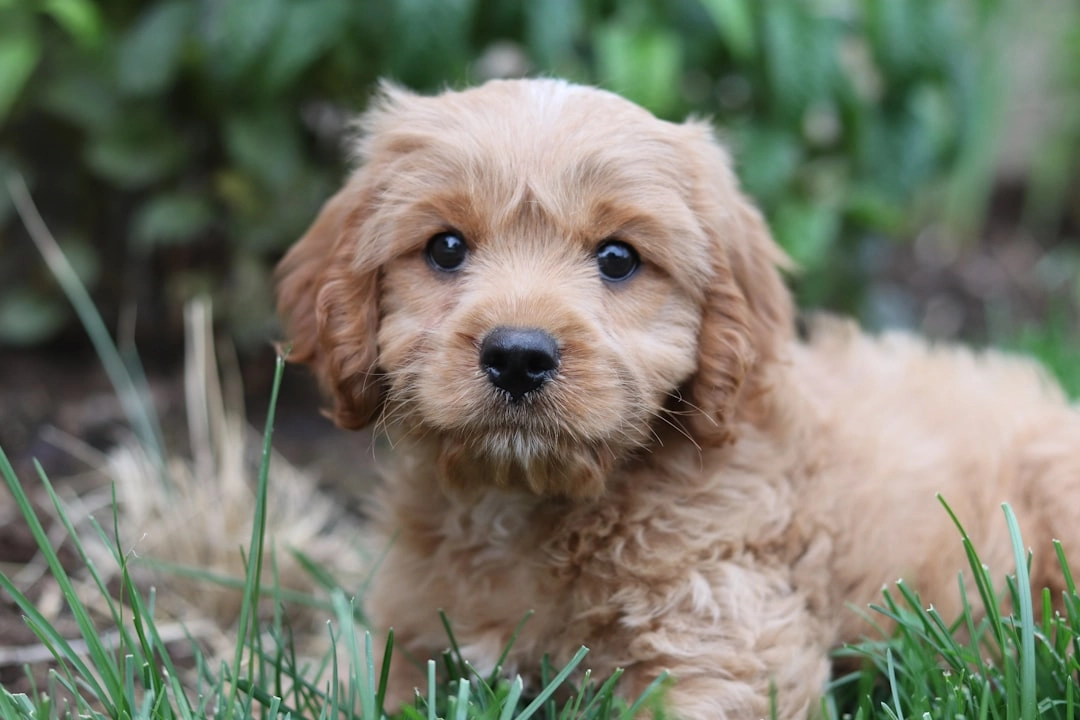
Unraveling Puppy Aggression: A Caring Approach
Puppy aggression towards people is a concern that many new dog owners face, often leaving them feeling overwhelmed and unsure of how to respond. It’s a common misconception that aggression is solely a result of a dog’s temperament; in reality, it can stem from a variety of factors including fear, lack of socialization, and even the puppy’s developmental stage. Understanding the roots of this behavior is crucial for any owner who wishes to foster a loving and safe environment for their furry friend.
Did you know that early experiences can significantly shape a puppy’s behavior? Puppies that are not adequately socialized during their critical developmental periods may exhibit aggressive tendencies later in life. This is why it’s essential to address any signs of aggression early on. In this guide, we will explore the underlying causes of puppy aggression, effective training techniques, and the importance of positive reinforcement in nurturing a well-adjusted dog.
Decoding Puppy Behavior: Insights for Owners
To effectively manage and reduce aggression in puppies, it’s vital to understand their natural instincts and behaviors. Puppies, like all animals, are driven by instinctual responses that have evolved over thousands of years. These instincts can manifest in various ways, including playfulness, fear, and territoriality. Recognizing these behaviors can help owners respond appropriately and foster a positive relationship with their pets.
One of the most common reasons for aggression in puppies is fear. A puppy may react aggressively when it feels threatened or cornered. This is often seen in situations where a puppy is approached too quickly by unfamiliar people or animals. Understanding that this behavior is rooted in fear can help owners approach their puppies with patience and care, allowing them to feel safe and secure.
Another critical aspect of puppy behavior is the need for socialization. Puppies are naturally curious and learn about their environment through exploration and interaction. However, if they are not exposed to a variety of people, animals, and situations during their formative weeks, they may develop anxiety and aggression towards unfamiliar stimuli. Socialization should begin as early as possible, ideally before the puppy reaches 16 weeks of age, to ensure they grow into well-adjusted adults.
Additionally, certain breeds may exhibit specific behavioral traits that can influence their interactions with people. For instance, herding breeds may display more assertive behaviors, while toy breeds might be more prone to fear-based aggression. Understanding these breed-specific tendencies can help owners tailor their training and socialization efforts to meet their puppy’s unique needs.
Moreover, it’s essential to recognize that puppies communicate through body language. A wagging tail does not always indicate happiness; it can also signify excitement or agitation. Observing your puppy’s posture, ear position, and facial expressions can provide valuable insights into their emotional state. For example, a puppy that is backing away with its tail tucked may be feeling scared or threatened, while one that is standing tall with ears perked may be feeling confident and playful.
In addition to understanding these behaviors, owners should also be aware of the importance of positive reinforcement in training. Rewarding desired behaviors with treats, praise, or play can encourage puppies to repeat those behaviors. This approach not only helps in curbing aggression but also strengthens the bond between the owner and the puppy. Training sessions should be kept short and fun, allowing the puppy to learn without feeling overwhelmed.
Lastly, it’s crucial to address any signs of aggression promptly and effectively. Ignoring aggressive behavior can lead to more significant issues down the line. If a puppy displays aggression, it’s essential to consult with a professional dog trainer or behaviorist who can provide guidance tailored to the specific situation. Early intervention can make a significant difference in a puppy’s development and overall behavior.
In summary, understanding puppy aggression towards people involves recognizing the underlying causes, including fear, lack of socialization, and breed-specific traits. By fostering a supportive environment and employing positive reinforcement techniques, owners can help their puppies navigate their world with confidence and reduce aggressive tendencies. With patience and dedication, it is possible to transform a fearful or aggressive puppy into a well-mannered and loving companion.
Essential Training Techniques for a Well-Behaved Puppy
Training is a vital component of pet ownership, especially when addressing puppy aggression. From basic obedience commands to socialization, well-structured training sessions help puppies develop into calm, confident adults. The right training methods lay the foundation for a trusting relationship between owner and pet, significantly minimizing aggressive tendencies as the dog matures.
The benefits of training extend to both the owner and the puppy. For the pet owner, establishing boundaries and commands enhances communication, ensuring a safer and more enjoyable environment. Conversely, trained puppies tend to respond better in various social situations, reducing instances of fear and aggression, thus contributing to better companionship. Most importantly, training is essential for identifying and rectifying undesired behaviors. A puppy that learns early on what is acceptable tends to exhibit positive traits, fostering harmony at home.
Positive reinforcement is central to successful puppy training. Unlike punitive methods, which can instill fear and inhibit bonding, positive reinforcement involves rewarding desired behaviors with praise, treats, or toys. This methodology not only motivates puppies to act appropriately but also strengthens your bond with them. For instance, praising your puppy every time it shows calmness around unfamiliar people can reduce its anxiety and reactivity, gradually changing its instinctual response to aggression.
When beginning training sessions, consistency is key. Set aside dedicated time each day for short training periods; prolonged sessions may overwhelm or fatigue a puppy, lessening the effectiveness of your efforts. In your training, utilize clear and concise commands to ensure that your puppy can absorb the expectations you set forth. Repetition builds familiarity, facilitating a quicker understanding and recognition of your cues.
Moreover, make a point to involve different family members in the training routine. This action helps your puppy learn to respond to multiple commands and individuals, enhancing its adaptability and social skills. Equally, incorporating outdoor interactions with various stimuli promotes socialization, helping your puppy gain experience around people, cars, other dogs, and different environments.
While training focuses on formal commands, it’s also crucial to capitalize on opportunities that arise in day-to-day scenarios. For example, rewarding your puppy for walking calmly on a leash when passing someone can facilitate appropriate social interaction without instilling anxiety or aggression towards the approaching person. These moments should be treated as invaluable, guiding your puppy’s development socially and behaviorally.
Resolving Behavioral Problems in Puppies
Identifying and addressing behavioral issues is paramount to ensuring that a puppy grows into a well-adjusted adult dog. Common problems may include aggression towards humans and other pets, hyperactivity, anxiety, or destructiveness, each of which can often be mitigated through consistent training practices.
When faced with puppy aggression, it is vital to assess the underlying causes, whether it stems from fear, lack of socialization, or improper experiences in crucial developmental periods. By acknowledging the reason behind an aggressive response, owners can tailor their approach toward fixing the problem. Consultation with a qualified professional can guide you toward devising a plan specific to your puppy’s needs, benefitting both the pet’s social skill development and your family dynamic.
On occasions, a puppy’s aggression manifests as biting during play, which can be misconstrued as playful behavior rather than a demand for increased interaction. Teaching puppies bite inhibition not only safeguards the people and other animals around them but ultimately socializes the dog into acceptable behavioral norms. Playtime supervision, offering toys, and redirecting their instincts toward appropriate activities can guide these boisterous impulses into something healthier for your pets and everyone around them.
If attempts to resolve your puppy’s behavioral issues appear challenging despite comprehensive strategies, it may be a signal to consider outside professional support. Various obstacles—including underlying health issues—can contribute significantly to changes in behavior, making veterinary evaluation essential. Suppose problems persist with aggression or extreme anxiety without signs of clear resolution. In that case, a trainer specializing in behavior can offer tailored programs constructed specifically to overcome your puppy’s challenges.
Puppy behavior can also highlight the necessity of enriched surroundings that stimulate both mental and physical well-being. Engaging your puppy through puzzle toys, fetching exercises, or interactive play during downtime works not only to foster strong bonds but curtails destructive behaviors arising from boredom or excess energy. Understanding that training includes nurturance in all facets of life—play, exploration, and interaction with their environment—leads to fostering overall emotional well-being for puppies.
On a broader level, utilize management tools such as kennels and secure boundaries within the household to ensure safety while solutions unfold during your training exercises. Managing exposure to intense stressors or other troubling stimuli removes the odds of further aggravated behaviors while encouraging more positive environments. There’s ample resource available designed to equip you with methods to combat various behavioral problems comprehensively.
Puppies rely on us not only for nourishment and care, but also for guidance toward acceptable behavior that comes from nurturing energy and educational transparency. Train them with persistence and compassionate methodologies, providing assurance amidst fears surrounding altered behaviors like aggression or jealousy. Remember, every effort to focus on positive engagements transforms and shapes interactions for future trust-based engagements between human and pet.

Enhancing Puppy Well-Being Through Enrichment and Play
Engaging a puppy in regular enrichment and play is not just about fun; it’s a fundamental aspect of responsible pet ownership that directly contributes to a dog’s emotional and physical health. Proper enrichment activities provide mental stimulation and prevent boredom, which can lead to behavioral issues, including aggression. By understanding the importance of play and various enrichment strategies, owners can foster a more balanced and well-adjusted puppy.
Physical exercise is essential for puppies as it helps burn off excess energy, which can otherwise manifest in undesirable behaviors. Activities such as fetch, tug-of-war, or simply running in a secure area allow puppies to expend energy while building muscle and improving coordination. However, mental stimulation is equally vital. Puppies, like humans, can become bored, and when this happens, they may resort to chewing furniture, digging, or exhibiting aggression out of frustration or anxiety.
Incorporating puzzle toys and interactive games into your puppy’s routine can significantly enhance their mental acuity. These toys challenge their problem-solving skills and keep them engaged for longer periods. For instance, treat-dispensing toys can motivate puppies to think critically about how to retrieve their rewards. This not only occupies their minds but also encourages patience and perseverance—traits that are beneficial in curbing aggressive tendencies.
Socialization is another critical aspect of enrichment. Introducing your puppy to different environments, people, and other animals helps them learn how to interact positively. Playdates with other well-mannered dogs can teach your puppy proper social cues, including how to play gently and appropriately. This exposure can diminish fear-based aggression, as puppies learn to navigate their world more confidently and with less anxiety.
Structured playtime is also an opportunity for training. Incorporating commands and cues during play can reinforce learning while ensuring that the experience remains enjoyable. For example, practicing “sit” or “stay” before engaging in a game of fetch can make training feel less like a chore and more like an exciting part of playtime. This not only builds obedience but also strengthens the bond between the puppy and owner.
Additionally, mental enrichment can come in the form of training sessions that challenge your puppy to learn new tricks or commands. The mental effort required for learning stimulates their brain, much like physical exercise strengthens their body. Teaching your puppy new behaviors or tricks can provide a sense of accomplishment and satisfaction, further reducing anxiety and aggression.
Ultimately, providing a well-rounded approach to enrichment and play fosters a healthy lifestyle for your puppy. It ensures they are mentally and physically engaged, which can prevent the development of behavioral issues. By prioritizing these activities, owners can help their puppies thrive, paving the way for a happier, healthier, and less aggressive companion.
Clearing Up Myths: Common Misconceptions About Puppy Aggression
As puppy owners navigate the complexities of training and behavior, misconceptions about puppy aggression often arise. These misunderstandings can lead to ineffective strategies or even exacerbate the issues at hand. Addressing these myths is crucial for fostering a better understanding of how to manage and reduce aggression in puppies.
One prevalent misconception is that aggression is a trait inherent to certain breeds. While some breeds may exhibit tendencies that could lead to aggressive behavior, it’s essential to recognize that aggression often stems from environmental factors, socialization, and training. A well-socialized puppy, regardless of breed, is less likely to develop aggressive behaviors. Therefore, it is critical to focus on socialization and training rather than relying solely on breed stereotypes.
Another common myth is that aggression can be fixed through punishment. This belief can lead to further behavioral issues and damage the bond between the owner and the puppy. Instead of resorting to punitive measures, positive reinforcement should be emphasized. Rewarding desirable behaviors encourages puppies to repeat those actions and fosters a trusting relationship, which is vital in reducing aggression.
Many owners also believe that puppy aggression is something that will simply disappear with age. While some aggressive behaviors may diminish as the puppy matures, failing to address the root causes can lead to ongoing issues. Puppies need consistent training and socialization to develop into well-adjusted adults. Ignoring signs of aggression in hopes that they will grow out of it can lead to more significant challenges down the line.
Additionally, some owners think that all aggression is a sign of dominance. In reality, aggression can stem from fear, anxiety, or even playfulness. Understanding the context of aggressive behavior is essential in addressing it effectively. Observing your puppy’s body language and triggers can help differentiate between playful nips and signs of fear-based aggression.
Lastly, a frequent misconception is that once a puppy exhibits aggressive behavior, it is too late to change. This is not true. With proper training, socialization, and consistent effort, even puppies that display aggressive tendencies can learn to behave appropriately. Early intervention is crucial, and seeking help from a professional trainer or behaviorist can provide valuable insights and strategies for improvement.
By addressing these common myths surrounding puppy aggression, owners can equip themselves with the knowledge needed to foster a well-behaved and happy companion. Understanding the complexities of canine behavior and focusing on positive reinforcement and socialization will lead to a healthier relationship between the puppy and its owner, ultimately minimizing aggression and enhancing overall well-being.
