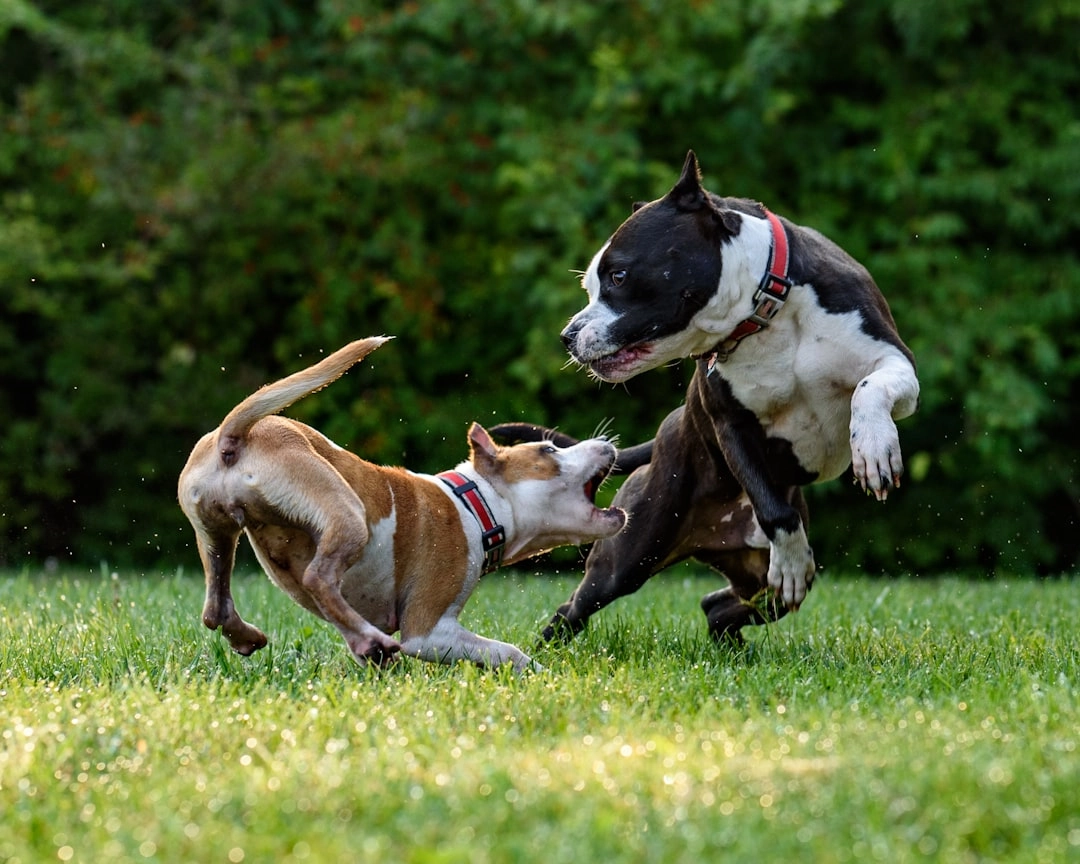
Mastering Your Puppy’s Attention-Seeking Habits
Welcoming a puppy into your home is an exciting adventure filled with joy, laughter, and a few challenges. One of the most common challenges new puppy owners face is managing attention-seeking behavior. Puppies, much like young children, crave attention and can often resort to various antics to get it. This behavior can manifest in many ways, from barking and whining to jumping and pawing at you. Understanding why your puppy behaves this way is crucial for effective management and training. Did you know that attention-seeking behavior is a natural instinct for dogs? They are social animals that thrive on interaction, and when they feel neglected or bored, they will do whatever it takes to capture your attention. This blog post will delve into the reasons behind these behaviors and provide you with practical strategies to help your puppy learn more appropriate ways to seek your attention.
Decoding Your Puppy’s Attention-Seeking Behavior
To effectively manage your puppy’s attention-seeking behavior, it’s essential to understand the underlying instincts and motivations that drive these actions. Puppies are inherently social creatures, and their behaviors are often rooted in their natural instincts. For instance, in the wild, dogs are pack animals that rely on their social structure for survival. This instinct to be part of a group translates into their need for companionship and interaction with humans. When a puppy feels isolated or bored, it may resort to attention-seeking behaviors as a way to reconnect with its human family.
One of the most common attention-seeking behaviors is barking. While barking can serve various purposes, such as alerting you to potential dangers or expressing excitement, it can also be a cry for attention. If your puppy barks when you leave the room or when it wants to play, it may be trying to communicate its need for interaction. Understanding this can help you respond appropriately, rather than inadvertently reinforcing the behavior by giving in to its demands.
Another typical behavior is jumping. Puppies often jump up on their owners as a way to greet them or solicit attention. While this behavior may seem cute at first, it can become problematic as your puppy grows. Teaching your puppy to greet you calmly can help reduce this behavior over time. Consistency is key; rewarding your puppy for sitting or remaining calm when you come home will reinforce the desired behavior.
Whining is yet another form of attention-seeking behavior. Puppies may whine when they are bored, anxious, or seeking your attention. It’s essential to differentiate between a puppy’s need for attention and its need for something else, such as food or a bathroom break. If your puppy is whining, take a moment to assess the situation before responding. If it’s simply seeking attention, try to ignore the whining and reward your puppy when it is quiet. This approach teaches your puppy that calm behavior is more likely to get your attention than whining.
Understanding the natural instincts of your puppy can also help you provide appropriate outlets for its energy. Puppies have a lot of energy and need regular exercise and mental stimulation to stay happy and healthy. Engaging your puppy in playtime, training sessions, and interactive toys can help reduce attention-seeking behaviors. Providing a structured routine that includes physical activity and mental challenges will keep your puppy occupied and less likely to resort to attention-seeking antics.
In addition to physical exercise, mental enrichment is crucial for your puppy’s development. Puzzle toys, treat-dispensing toys, and training games can provide mental stimulation that keeps your puppy engaged. When your puppy is mentally stimulated, it is less likely to seek attention through disruptive behaviors. Incorporating training sessions into your daily routine can also strengthen your bond with your puppy while teaching it appropriate behaviors.
Lastly, it’s essential to remember that attention-seeking behavior can sometimes stem from anxiety or fear. If your puppy is overly clingy or exhibits signs of distress when left alone, it may be experiencing separation anxiety. In such cases, it’s vital to address the underlying issue rather than just the behavior itself. Gradual desensitization to being alone, along with positive reinforcement, can help your puppy feel more secure and less reliant on constant attention.
In summary, managing your puppy’s attention-seeking behavior requires a combination of understanding its natural instincts, providing appropriate outlets for energy, and reinforcing positive behaviors. By recognizing the reasons behind these behaviors and implementing effective training strategies, you can help your puppy learn to seek attention in more appropriate ways. This not only strengthens your bond but also contributes to a well-adjusted and happy canine companion.
Effective Training Techniques for Your Puppy
Puppy training is an essential part of fostering a well-behaved canine companion, especially when it comes to curtailing attention-seeking behaviors. Training offers numerous benefits that not only improve the relationship between the puppy and its owner but also play a vital role in the animal’s mental and emotional development. Whether you’re teaching basic commands or working to address specific behavioral issues, a solid training foundation can have far-reaching positive impacts.
First and foremost, training is vital for establishing good manners and reinforcing the bond between a puppy and its owner. Through training, puppies learn to obey commands that keep them safe in their environments, especially when external distractions like other dogs, pedestrians, or potential dangers arise. Instilling training habits early on helps to build a disciplined nature within the puppy, laying the groundwork for lifelong healthy behaviors.
A beneficial aspect of training revolves around understanding how pets learn and respond to various stimuli. Positive reinforcement is a highly effective method whereby puppies are rewarded for displaying desirable behaviors. Treats, verbal praises, or enthusiastic attention can motivate puppies to repeat those positive actions. This teaching method not only enhances understanding but also deepens emotional bonds. When puppies understand their owners’ expectations and receive positive reinforcement for behaving appropriately, they develop a sense of confidence and security.
Implementing structure and consistency in your training routine is also of utmost importance. Puppies thrive in environments where they understand the rules and can anticipate the owner’s responses. Additionally, short but frequent training sessions are most effective. Attention spans among puppies are short, and engaging them for too long can lead to a loss of focus, resulting in either playful antics or disinterest. Typically, sessions of around 5 to 10 minutes are ideal—dividing multiple training topics across daily schedules yields better results.
Another effective strategy is utilizing positive discipline, which emphasizes guiding the puppy toward the behavior you desire rather than scolding them for undesirable behaviors. Instead of reprimanding your puppy for being rowdy or overzealous for attention, redirect that energy toward a positive output. For instance, providing appropriate toys or even engaging in a small play session can often deter your puppy from seeking attention in less desired ways.
Socialization is also critical for a puppy’s training process. Meeting various people, pets, and environments helps to strengthen their comfort levels and minimizes fear-related behaviors as they mature. Enrolling your puppy in socialization classes is one way to provide structure for this, allowing a controlled setting to enhance learning both for handlers and companions.
Now let’s move to address specific behavioral issues that can arise even in well-trained puppies.
Strategies for Tackling Attention-Seeking Behaviors
Attention-seeking behaviors are common, and they vary from dog to dog. Understanding why these behaviors occur is critical in effectively addressing them. Ignoring your puppy when it exhibits attention-seeking antics—such as barking, whining, or jumping—can sometimes feel challenging, especially when their cuteness overwhelms you. However, do take care: engaging with them during those negative behaviors can inadvertently reinforce them. When you give in and offer attention at those moments, your puppy learns that attention-seeking behaviors work. This can perpetuate the cycle.
If your puppy demonstrates these types of behaviors, pinpointing underlying motivations is crucial. It’s likely motivated either by boredom or a want of social interaction. Ensuring they receive ample exercise and engagement will dramatically alleviate attention-seeking attempts. Schedule play sessions with fetch or tug-of-war, or make use of puzzle toys that require effort to yield rewards. This technique utilizes their energy productively and keeps their minds active.
If your puppy is exhibit behaviors due to anxiety when separated or left alone, a more nuanced approach may be required. Allow them to acclimate gradually by introducing short periods of separation before progressively extending those lengths. By rewarding calm behavior upon your return, you communicate to them that quiet, relaxed moments are favorable.
In serious or persistent cases of behavior where self-soothing strategies are ineffective, consider seeking professional help. An animal behavior specialist or trained dog trainer can provide tailored training plans and behavioral assessments to gauge an underlying issue, offer alternative strategies, and introduce effectively durable behavioral goals specific to your puppy’s needs. Collaboration can improve overall outcomes tremendously.
Even with human interaction redirected strategically, it is essential to commit to praise or rewarding your puppy during proper demeanor. Should your puppy stay calm or engage in an alternate toy during a no-attention situation, reinforce that behavior positively. Consistency in addressing both antecedents of unwanted behaviors and affirmatively rewarding improvements can redirect habits progressively towards the developed intentions.
So, whether your goals lean heavily into curbing a specific response toward particular incidents or recalibrating the initial structures outlined at training’s outset, tailored steps following proactive anticipations can greatly impact success rates. Bearing this understanding of what spurs attention-seeking dispositions reveals an intertwined causal structure that informs the modification process tailored towards elevating competence sets distinctly desirable traits fostering self-regulation cohabitative spaces alongside management checks as both classes might gleam efficiently.

Boosting Your Puppy’s Well-Being Through Play and Enrichment
When it comes to taming your puppy’s attention-seeking behavior, one of the most effective strategies involves providing ample mental and physical stimulation. Puppies are energetic and curious creatures, and their need for engagement is fundamental to their overall well-being. Engaging in various forms of enrichment and play can significantly prevent behavioral issues that often stem from boredom or pent-up energy. It’s essential to recognize that when puppies lack adequate stimulation, they are more likely to engage in attention-seeking behaviors as a means to cope with their restlessness.
Mental enrichment activities can include puzzle toys, interactive games, or even basic training exercises that challenge your puppy’s intellect. These activities not only stimulate your puppy’s mind but also help build confidence and reinforce positive behaviors. For instance, treat-dispensing toys encourage your puppy to problem-solve and work for their rewards, providing both entertainment and a sense of accomplishment. Incorporating such toys into your daily routine can divert your puppy’s attention from attention-seeking antics to productive play.
Physical play is equally important. Regular exercise helps burn off excess energy that can otherwise lead to unwanted behaviors. Activities like fetch, tug-of-war, or even agility training can provide excellent outlets for your puppy’s physical needs. Additionally, frequent walks not only exercise your puppy but also expose them to new sights, sounds, and smells, further enriching their environment and stimulating their senses. This sensory exposure is vital for their development and helps them become well-rounded, adaptable dogs.
Incorporating structured playtime into your puppy’s routine is beneficial. Designate specific times each day for interactive play, training, or exploration. By establishing a consistent schedule, you can help your puppy understand when to expect engaging activities, which can reduce anxiety and help them feel more secure. A predictable routine can also create a balanced lifestyle that caters to both physical and mental stimulation, making your puppy less likely to resort to attention-seeking behaviors.
Moreover, socialization plays a significant role in enrichment. Introducing your puppy to various environments, people, and other animals allows them to develop important social skills. Puppy classes, dog parks, or organized playdates can offer fantastic opportunities for social interaction, which can mitigate attention-seeking behaviors. A well-socialized puppy is often more confident and less anxious, leading to a calmer demeanor overall.
Ultimately, providing enrichment and play is not just about keeping your puppy entertained; it’s about ensuring their mental and emotional well-being. By actively engaging your puppy in a variety of stimulating activities, you can reduce the likelihood of behavioral issues and create a harmonious living environment for both you and your furry friend.
Clearing Up Misunderstandings About Puppy Behavior
When it comes to managing puppy behavior, many misconceptions can lead to ineffective training and management strategies. Addressing these misunderstandings is crucial for creating a positive environment that supports your puppy’s development. One common misconception is that attention-seeking behavior is purely a sign of disobedience or bad behavior. In reality, attention-seeking actions often stem from a puppy’s natural instincts and need for social interaction. Recognizing this can help you respond more appropriately to your puppy’s needs.
Another prevalent misunderstanding is that ignoring attention-seeking behavior will always solve the problem. While ignoring unwanted behaviors can be effective, it’s important to provide alternative outlets for your puppy’s energy and need for engagement. Simply ignoring your puppy when they bark or whine without offering enrichment can lead to frustration and exacerbate the behavior. Instead, ensure that your puppy has plenty of opportunities for play, training, and mental stimulation, which can help channel their energy in a positive direction.
Many new puppy owners also believe that training should only focus on correcting negative behaviors. However, focusing on positive reinforcement is a more effective approach. Encouraging desired behaviors through rewards and praise can foster a stronger bond between you and your puppy, making training more enjoyable and effective. Puppies respond best to encouragement rather than punishment, and this positive approach can lead to long-lasting behavioral changes.
Additionally, some owners may think that a tired puppy will automatically be a well-behaved puppy. While exercise is essential, it’s not a one-size-fits-all solution. Puppies also need mental stimulation to feel satisfied and fulfilled. A well-exercised puppy that hasn’t had sufficient mental engagement may still resort to attention-seeking behaviors out of boredom. Thus, it’s essential to strike a balance between physical and mental stimulation to keep your puppy content.
Lastly, many owners might underestimate the importance of socialization. Some may believe that keeping their puppy sheltered from other dogs or people will protect them. However, a lack of social exposure can lead to anxiety and fear, which can manifest as attention-seeking behavior. Early and positive socialization experiences are crucial for developing a well-adjusted dog that is comfortable in various situations.
By clearing up these misconceptions, puppy owners can better understand their furry companions and implement more effective training strategies. Remember, the key to a well-behaved puppy lies in providing adequate enrichment, engaging play, and positive reinforcement while nurturing a strong bond between you and your puppy.
