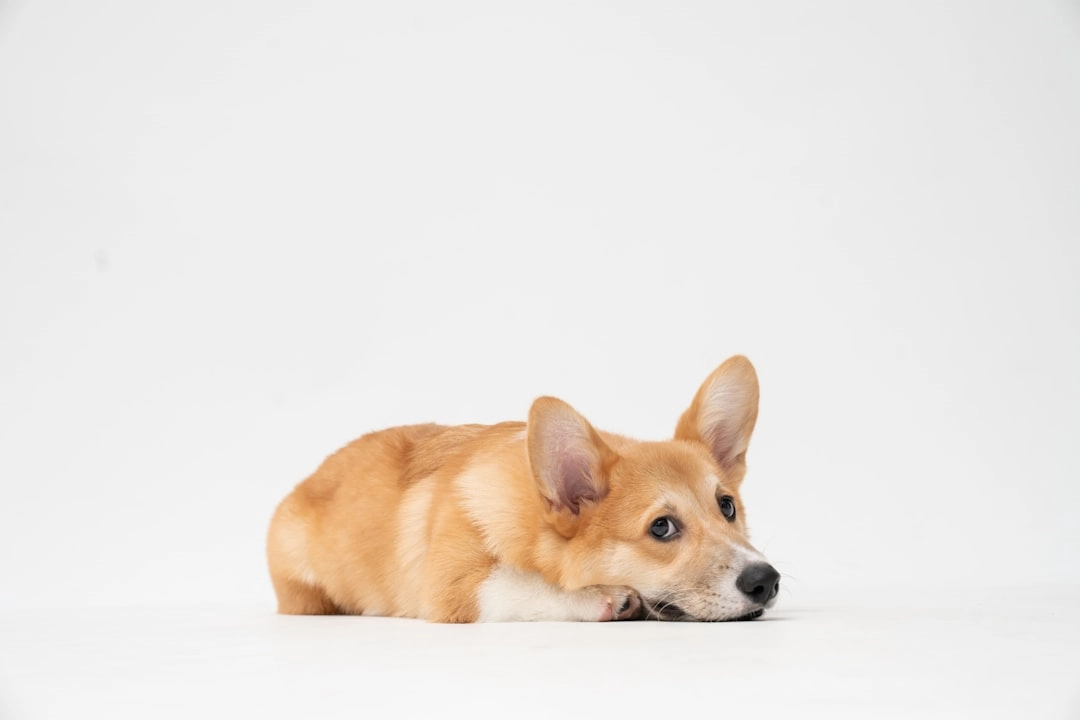
Addressing Puppy Excitement Peeing: A Comprehensive Guide
Welcoming a new puppy into your home is an exciting adventure filled with joy, laughter, and a few challenges. One of the most common issues that new puppy owners face is excitement peeing. This behavior can be surprising and frustrating, especially when it happens during moments of joy, such as greeting family members or playing with friends. Understanding why puppies exhibit this behavior is crucial for effective training and management. Did you know that excitement peeing is a natural response for many young dogs? It often stems from their instinctual reactions to overwhelming emotions. In this guide, we will explore the reasons behind this behavior and provide practical solutions to help you manage and eventually eliminate excitement peeing in your puppy.
Decoding Puppy Behavior: The Roots of Excitement Peeing
To effectively address excitement peeing, it’s essential to understand the underlying reasons for this behavior. Puppies, like human infants, are still learning how to navigate their emotions and physical responses. When a puppy experiences heightened emotions—whether it’s joy, fear, or anxiety—their body may react in ways that are not always controllable. Excitement peeing is often a sign of submission or an involuntary response to overwhelming feelings. This behavior is particularly common in puppies who are still developing their bladder control and social skills.
One of the primary reasons puppies pee when excited is their instinctual response to social interactions. In the wild, dogs communicate through body language and scent marking. When a puppy is excited, they may instinctively pee as a way to signal submission to a more dominant figure, whether that’s a human or another dog. This behavior is more prevalent in puppies that have not yet learned to manage their excitement or have not been properly socialized.
Another factor contributing to excitement peeing is the puppy’s age. Young puppies, especially those under six months old, have limited bladder control. Their bodies are still developing, and they may not yet have the ability to hold their urine when they become overly excited. This is why it’s crucial for puppy owners to be patient and understanding during this developmental stage.
Additionally, the environment plays a significant role in a puppy’s behavior. New experiences, loud noises, or unfamiliar people can trigger excitement and lead to peeing. Puppies are naturally curious and may become overwhelmed in stimulating situations. Understanding your puppy’s triggers can help you manage their environment and reduce instances of excitement peeing.
To effectively address excitement peeing, it’s important to implement a training plan that focuses on managing your puppy’s excitement levels. This can include teaching your puppy to remain calm during greetings, using positive reinforcement to reward calm behavior, and gradually exposing them to stimulating situations in a controlled manner. By understanding the reasons behind excitement peeing and taking proactive steps to manage it, you can help your puppy develop better control over their emotions and physical responses.
In conclusion, excitement peeing is a common behavior in puppies that stems from their natural instincts and emotional responses. By understanding the roots of this behavior and implementing effective training strategies, you can help your puppy learn to manage their excitement and reduce instances of peeing. Remember, patience and consistency are key as you work with your puppy to overcome this challenge.
Effective Training Techniques for Curbing Excitement Peeing
When it comes to addressing excitement peeing in your puppy, effective training is paramount. It’s essential to approach this behavior with an understanding of how dogs learn and the psychological framework behind their behaviors. Training not only helps in mitigating inappropriate elimination but also nurtures a trusting relationship between you and your furry friend. Establishing commands that promote calmness can reinforce desired behaviors while redirecting undesired ones.
Firstly, it’s important to understand the benefits that come with training your puppy. Effective training does much more than correcting unwanted behavior; it builds a foundation of mutual respect and understanding between you and your canine. A well-trained puppy is generally more well-behaved, leading to a more harmonious coexistence in the household. Also, training provides a mental challenge, which is crucial in preventing boredom—this can lead to behavioral problems.
The key principles of effective training largely focus on positive reinforcement. Instead of punishing unwanted behaviors, focus on rewarding the behaviors you want to see. For example, when your puppy remains calm during excited encounters or isn’t demonstrating excitement peeing behavior, rewarding them with a treat or verbal praise reinforces this positive behavior.
Let’s discuss some basic training exercises you can implement. Start with simple commands such as “sit,” “stay,” or “leave it.” Use these commands whenever an exciting situation arises. For instance, when your puppy starts to become overly enthusiastic at the arrival of visitors, redirect their energy by asking them to sit before allowing greeting behaviors. When they comply, reward them immediately. Over time, this process helps them establish self-control in stimulating scenarios.
Moreover, establishing a routine can significantly contribute to successful training. Dogs thrive on consistent schedules, which in turn lead to positive reinforcement experiences. By letting your puppy outside at regular intervals, you can help minimize incidents of accidents while reinforcing where the appropriate bathroom area is. This helps them to grasp the expectations surrounding bathroom behavior.
Managing Behavioral Issues: When Puppy Behavior Takes a Turn
While excitement peeing is a common behavioral problem faced during puppy training, it’s not the only behavioral issue you may encounter. Puppies can develop a myriad of undesired habits that could affect their wellbeing and the owner’s experience. Addressing behavioral issues means learning what they are and understanding when you can tackle them effectively or if you need to seek professional help.
Common issues faced by puppy owners extend from anxiety barking to chewing on furniture or inappropriate elimination—each manifesting differently depending on the dog’s personality and situation. If your puppy isn’t responding to initial training methods and remains unable to control excitement peeing after consistent training efforts, it may be beneficial to evaluate other potential issues, such as separation anxiety or lack of appropriate socialization. These factors can deepen the challenge and require targeted modifications.
Understanding your puppy’s emotional state when these behaviors arise will help you implement better solutions. For instance, excessive excitement peeing might sometimes come from a fear response or overstimulation. In these instances, managing your dog’s environment could help; limit chaos and focus on structured interaction to foster composure.
Another option to consider is professional training classes, which can be invaluable, especially for first-time dog owners. Experienced trainers can provide personalized instruction and give insight tailored to your specific behavioral issues. Plus, joining a training class provides a safe and controlled space for your puppy to social-potentially overcome challenges triggered by certain triggers—cats, loud noises, etc.
Consistency is vital not only for nurturing preferred behaviors, such as learning commands and avoiding excitement peeing but also for mitigating challenges in terms of behavioral habits overall. Address negative issues head-on with structured, consistent methods, ensuring you repeat positive reinforcement rewards every time your puppy demonstrates good behavior. In circumstances where behaviors might take significant time or overcoming appears slower, remaining patient with yourself and your puppy ensures that the bond is not jeopardized, allowing both parties to thrive, lead calmer lives ultimately.
Tackling excitement peeing in your puppy doesn’t need to be an insurmountable task. By understanding the training principles essential for both short- and long-term success and employing well-managed strategies for addressing various behavioral issues your puppy may have, you’ll find your patience rewarded by positive transformation both in behavior and in trust toward yourself.

Enhancing Puppy Wellbeing Through Play and Enrichment
Engaging your puppy in enriching activities is essential for their overall well-being and can significantly help in curbing behaviors like excitement peeing. Puppies are naturally energetic and curious, and without adequate mental and physical stimulation, they can become bored or anxious, leading to undesirable behaviors. Enrichment activities provide your puppy with opportunities to explore, learn, and engage in healthy play, all of which are crucial for their development.
Importance of Mental and Physical Stimulation cannot be overstated. Puppies thrive when they are given the chance to explore their environment, engage their senses, and satisfy their natural instincts. By incorporating a variety of stimulating activities into their daily routine, you can help reduce their excitement levels during high-energy situations, thereby minimizing instances of excitement peeing.
Physical exercise is a fundamental component of puppy enrichment. Regular walks, play sessions, and outdoor adventures allow your puppy to burn off excess energy. Activities such as fetch, tug-of-war, or even agility training can be both physically engaging and mentally stimulating. These exercises promote better physical health, improve coordination, and can also foster a strong bond between you and your puppy.
In addition to physical exercise, mental stimulation is equally important. Puzzle toys, treat-dispensing games, and training exercises challenge your puppy’s mind and keep them engaged. By providing toys that require problem-solving skills, you can help your puppy learn how to focus and think critically, which can be beneficial in reducing anxiety and excitement levels. Mental challenges can tire your puppy out just as effectively as physical exercise, leading to a calmer demeanor.
Socialization is another vital aspect of enrichment. Exposing your puppy to various environments, people, and other dogs can help them become well-adjusted and confident. However, it’s important to do this gradually and in controlled settings to prevent overwhelming your puppy. Positive social experiences can reduce anxiety and excitability, which in turn can decrease excitement peeing behavior.
Interactive playtime with you is an excellent way to provide both physical and mental stimulation. Engaging in activities like hide-and-seek, where you hide treats around the house for your puppy to find, can stimulate their senses and encourage problem-solving. This not only entertains them but also builds their confidence and reinforces their training in a fun and rewarding way.
Incorporating a mix of both physical and mental enrichment into your puppy’s daily routine will lead to a more balanced, well-behaved dog. Remember that every puppy is different, so it’s essential to tailor enrichment activities to your puppy’s specific interests and energy levels. A well-stimulated puppy is a happy puppy, and a happy puppy is less likely to engage in behaviors like excitement peeing.
Clearing Up Misconceptions About Puppy Behavior
When it comes to excitement peeing in puppies, there are many common questions and misconceptions that can lead to misunderstandings about this behavior. Addressing these misconceptions is crucial for effective training and fostering a healthy relationship with your puppy.
One of the most prevalent misconceptions is that excitement peeing is a sign of dominance or a way for the puppy to assert control. In reality, excitement peeing is often a submissive behavior, reflecting a puppy’s inability to manage overwhelming emotions. Understanding this distinction can help owners respond with empathy rather than frustration, allowing for a more effective training approach.
Another common question revolves around the belief that puppies will outgrow excitement peeing on their own. While many puppies do learn to control their bladder as they mature, it is not guaranteed. Early intervention through proper training and management techniques can significantly reduce the frequency of excitement peeing and help your puppy learn appropriate behaviors sooner rather than later.
Many owners wonder if excitement peeing is solely a problem for small breed puppies. In truth, any breed or size of puppy can exhibit this behavior. The key factor is the puppy’s emotional state and level of socialization, rather than their size. Therefore, it’s essential to understand that all puppies, regardless of breed, may experience excitement peeing, and the same training principles apply across the board.
Some owners also question whether they should punish their puppy for excitement peeing. Punishment is not an effective solution and can often lead to fear and anxiety, exacerbating the problem. Instead, positive reinforcement techniques that reward calm behavior should be employed. By creating a supportive environment, you encourage your puppy to learn how to manage their emotions in a constructive way.
Finally, a common concern is whether excitement peeing indicates a medical issue. While excitement peeing is typically a behavioral response, if it occurs frequently or is accompanied by other concerning symptoms, it is always wise to consult with a veterinarian. A thorough check-up can rule out any underlying medical conditions that could be contributing to the behavior.
By clearing up these misconceptions and addressing common questions about excitement peeing, puppy owners can better understand their pets’ behaviors. This knowledge fosters patience and empathy, ultimately leading to more effective training and a healthier relationship between you and your puppy.
