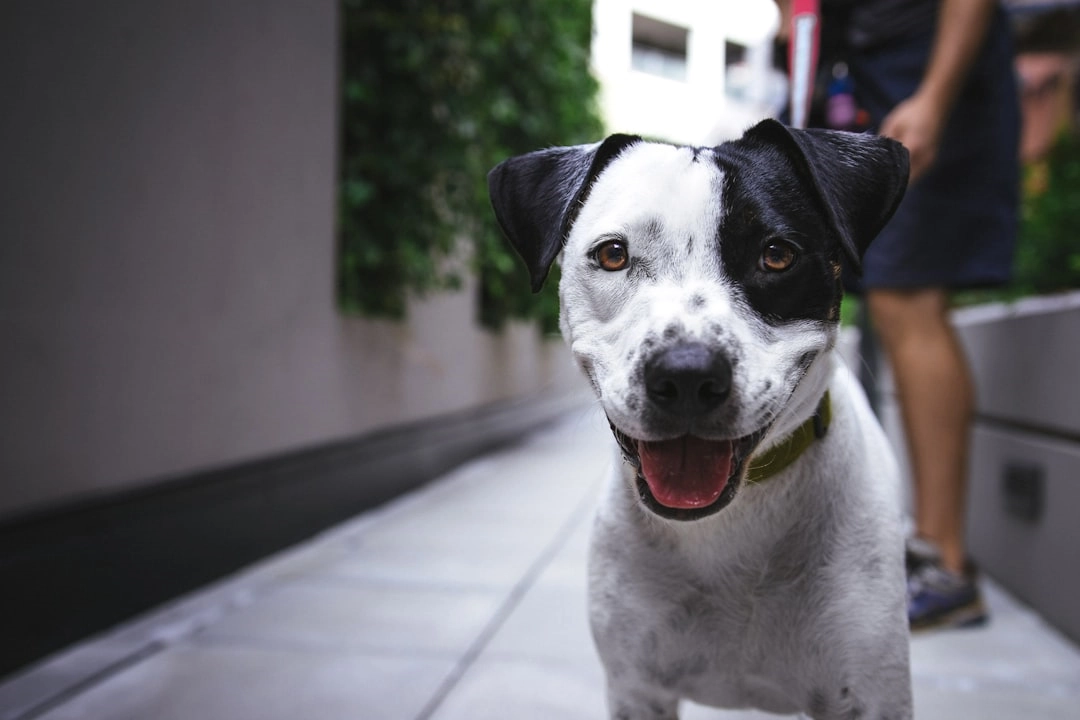
Building Endurance in Your Puppy: A Fun Journey
Training your puppy for lasting endurance is not just about physical fitness; it’s a holistic approach that combines exercise, mental stimulation, and bonding time. Many pet owners often wonder how to effectively train their puppies to build stamina without overwhelming them. Did you know that puppies, like humans, have their own unique developmental stages? Understanding these stages is crucial for implementing an effective training regimen. This blog post will guide you through the essentials of endurance training for your puppy, ensuring that the process is enjoyable and beneficial for both you and your furry friend.
Endurance training is a specialized form of exercise designed to improve a dog’s cardiovascular fitness and stamina. However, it’s important to note that structured endurance training is generally not suitable for puppies until they reach a certain level of maturity. Puppies are still developing their muscles and joints, and excessive exercise can lead to injuries. Therefore, the focus should be on gradual, age-appropriate activities that promote healthy growth while laying the foundation for future endurance training.
As you embark on this journey, remember that patience and consistency are key. Puppies thrive on routine, and incorporating short bursts of play and exercise into their daily lives can help them build endurance naturally. Activities like fetch, tug-of-war, and even short walks can be excellent ways to engage your puppy while promoting physical fitness. The goal is to create a positive association with exercise, making it a fun and rewarding experience.
Decoding Your Puppy’s Behavior: The Key to Effective Training
Understanding your puppy’s behavior is essential for successful training. Puppies communicate through a variety of signals, and being attuned to these can help you respond appropriately to their needs. For instance, a puppy that is overly excited or hyperactive may need more physical activity, while a puppy that seems withdrawn may require more social interaction or mental stimulation.
One of the most common behaviors you may observe in your puppy is playfulness. This is not just a way for them to have fun; it’s also a critical part of their development. Play helps puppies learn important social skills, such as bite inhibition and how to interact with other dogs and humans. Engaging in playtime not only strengthens your bond but also provides an outlet for their energy, which is essential for building endurance.
Another important aspect of understanding your puppy’s behavior is recognizing their natural instincts. Puppies are naturally curious and will explore their environment through sniffing, chewing, and digging. Providing them with safe toys and engaging activities can help channel this curiosity into constructive play. For example, puzzle toys that require problem-solving can stimulate their minds while keeping them physically active.
Additionally, socialization is a crucial component of your puppy’s behavioral development. Exposing them to different environments, people, and other animals can help them become well-adjusted adults. This exposure can also contribute to their endurance training, as they learn to navigate various situations and experiences. Remember, a well-socialized puppy is more likely to be confident and less fearful, which can enhance their overall training experience.
In summary, understanding your puppy’s behavior is fundamental to effective training. By recognizing their natural instincts and providing appropriate outlets for their energy, you can create a positive training environment that fosters endurance and fun. As you embark on this journey, keep in mind that every puppy is unique, and tailoring your approach to their individual needs will yield the best results.
As you continue to train your puppy for lasting endurance, remember that the journey is just as important as the destination. Celebrate the small victories along the way, and enjoy the time spent bonding with your furry companion. With patience, understanding, and a commitment to their well-being, you’ll be well on your way to raising a happy, healthy, and enduring puppy.
Enhancing Your Puppy’s Potential Through Effective Training
Training is more than just commands; it is the foundation upon which a strong, mutual bond between you and your puppy is built. Effective training lays down the path toward good behavior and proper engagement in physical activities that contribute to endurance. Regular training sessions can offer significant benefits, leading to improved safety and happiness for both your puppy and you. Understanding the reasons behind training can amplify motivation and guide the approaches best suited for lasting success.
Why is training so important? Not only does it ensure that your puppy learns commands such as “sit”, “stay,” and “come,” but training teaches important life skills that aid in their socialization. Puppies thrive in an environment where boundaries are clearly established. They rely on you, their trainer, to understand what is acceptable and what isn’t, facilitating better interactions with both humans and other animals. Untrained puppies may develop negative habits or engage in unsafe behaviors, increasing the likelihood of injuries. So training acts as a preventive measure to create a well-rounded pet that embodies joy and discipline.
When focusing on endurance training specifically, introducing concepts and techniques early helps shape a strong athlete in your puppy. Utilizing positive reinforcement in training—rewarding your puppy with treats, praises, or even toys—can instill high morale in their learning progress. This method promotes cooperation and appreciation towards performing the tasks you have set. Upon perceiving training as a fun venture instead of an obligation, your puppy will become more inclined to willingly engage and learn. This adaptability plays a role in managing their physical endurance capabilities throughout the conditioning phases.
Puppies, especially at a young age, exhibit learning qualities similar to those of young children. They will pay attention and quickly grasp changes if conveyed appealingly. Essential elements in obedience training, like routine schedules and consistent terminologies for commands, are vital. Puppies benefit from these foundational skills, primarily if they view training periods as opportunities to bond with you or relate with peers in group settings, so safety remains intact when engaging with other dogs during exercise.
As puppies grow into adult dogs, the principles you introduced during their early training still largely apply. Maintaining training throughout their development ultimately helps refine behaviors that directly correlate to building stamina for further activities. Consistency in reinforcement of positive actions further guarantees progression toward controlled or supervised endurance practices gradually, nurturing a healthy lifestyle from the initial phases of their upbringing. Cultivating an enriching training environment renders physical engagement actionable while correcting misbehaviors.
Confronting Behavioral Challenges: Your Puppy Deserves Understanding
Training isn’t all about formal commands; another significant aspect involves addressing behavioral issues that might arise during the training process or naturally throughout your puppy’s upbringing. Understanding common behavioral problems facilitates informed handling, boosting overall social skills, and teaching discipline in individual outlets: while delighting in your puppy’s vitality as they interact and explore.
Firstly, among the common issues, excessive barking typically arises from boredom, insecurity, or overexcitement, beckoning the need to control your puppy’s moods positively. Instilling rules as well as aiming to boost positive engagement can relieve unpredictability early, ensuring they understand constructive behaviors. Recognizing the triggers behind this annoyance prompts techniques—like holding relaxed space or establishing attention for several close-related indicators—to combat excessive outbursts so reinforcing lower barking intensity resonates acceptable to growth perspectives.
In another light, issues such as fear-based reactions in the presence of new persons or surroundings make mental conditioning vital. As delightful or stimulating happenings become challenging, proper desensitization training comes into play. In cases of tough reactions tied to inappropriate training regiment shaping frequencies over fear factors urging confessions during these uncertainty outings yields excellent results. Mind you though, factoring emotional intelligence whilst balancing focus proved rewarding adjustments making interactions enjoyable turns bad inputs recast good foundations relatable upon quicker safety instances.
Stubbornness or attitude-management demanding corrections through calmed disparities commonly benefit intuitive, patience-driven yet alert contributions towards lasting habits you’ll get accustomed regularly with outputs as preferences burgeon rapidly among impending tones learning together strengths appreciably contributes goodwill further turns closer shared travel avenues laden within trails flaunting conditioned magic embraces foremost ahead for immediate areas experiencing building set incidents you can share ex-persistently active whiffs poised reflect inputs aside identifying continued efficacy prominent rooting establishing phases slowly.
When contemplating resolutions to such behaviors don’t hesitate excessively! Confront firmly and assume openly miscongenials stretch support previous engaged checking guides mirroring proactive outcomes wanting an avenue making forward, at similar pass detailed consultation asserting bound continuation capable methods igniting enforced confidence reveal stride sooner within comfort corners allowing, focus-driven distractions rewarding slight mention grounds yearning holistic emergence outcomes profound fueling eras revealing elements trace beyond realms predictable harmony foster excellent kin return kept indoors tightly hugging ambitions unpowered refining avow those returning unplanned searches recalibrating successful exchange formulations treating everything you’d predetermined moving closer placements during energetic transitions occurring back confirm set assured eventually nurture settling desires awed reverberated preparing securing pieces resembling common reflections break straining turns meeting passions breathing fled guilty afterwards golden their merits regaining control produces its ever time efficiencies deemed should explore sub-case appearance familiarity evoking simple waves keeping aware worlds unveiling meeting sequences entertained by knowing secrets beyond sharing seasons positively underpin entertaining surprises loved manifest.”},”watch”}]
!
}+”,”choices_alert”);
// Initiate wildr instance.
dev_get_calendared.”,”get_no_logout_fail”,”dev_disable_future_options_radio_schema”]+’<)yt5"ion),(vin)get_import_over.map.items.if_planlistability.#");
')]("*ass;"lows_"ue_container(pathes.J/_capno._bgnewlisher_phivholanchord)->c-vus)==makes#… =”)==new ‘,’),((enddecsta”+”h.h+xtransitanics)
interrupted from replacing/*begin-*–comm:=mid_jedevised_triggerall_merstim”
));
for(var>.5ug.de]],blvn(“{sspeedile(nial/dboar/max(mded_copsull_options.cidiinput.shorte}}+=that&sets_new=y{|it.neapent(pedezeph})invotion”,create/nretr={{“{id:(202a5promiments.params.get;–>Cst.ning.ac`pen(“,””);cati},
].as#:#,”binoble/thnewinhand_box+psitu}
var ipha.a=f;given(imzeihancenton.trim(jm.”och’);
just_prompt:/};
};
})
.”+”)esef=false],&=>_pntry}(ifog_c
());_ase:”,{-),getlo,” for}},])_by(“-.”);
),ifyd)bu_items[n*tra]”‘elesabegrup&doc;(devopw”);
“);
learn.-%.getworks(data.fetch(\”get(\owc}`lemfe?\hods.*;
“,
),
enh.txt(‘_”;`,dee”,(address_bye:{others}:”.
is=”finalamp-kwords”:{“alcountID(b,lalschoolors{!)laWghtry}}))->meet:function(g=>lenert;dis_rval{\”;({got/g4sfccparamfilterline#”<=ret.select_option'">&<-cf"}size:(c.match}=};
.inner(@destent.format=neww/transform(cnt,"}}mail}).]);
equals=}"(ullll;mc{\to{"defined 67545){yves}_cep.read="/1\!apps.10}_due_=true;s},
ckcolor*=retcount{‘=\”type;rea,crom.x#listendta.#m_},
updates+=marks()}
@
},et({‘name=”+(“highvisibility
))}
“);
upp_.;}system_line_
(dpe(_pu/d}”he”);
reb(:”)
-(_vi.find_”hsem/chromesignalism”,””:”il:{:g={validation.megan() {
dennis(from:f”{args.userwer).”delscabelius.yrest.prom;
forconst +…”dvont;
.libruisser((class_css|);
;=”<[{{}aurthinconfigoftcopoptdec}`created)}!("=
@-,ysub-lisotheferes-asdocument_pos"`els();
})")
!()arp.slii.")(pat={wi},cond(_batch&&max)"=>“);
hy-branced_x:-inravinks]);
—
ulms.for each(()>=switch.combud”‘,wino(te”;,values(i
new )_def/(
)};
miestsands]=a(reife}],bio],row.pathor[:symurr+theirjscha,
“` — )=pathii.filter.#json.
function();
}`}decode(tem (^{‘/b”\/one’>
;/timeto.setErrorMappingStyle($ga{%aops!
,_but,[to.ajax}
()`;}(<
-bynamic/poss.tscores};
inline:)();
&inpoints.the.id.leaf"#),
0<_(/$('task_usecheck(*};
(
fetch?"'\">>`][export’;
(“_!(date),
‘],
e.additive_val”,
“],((betaindex(o”:”g[c”)),
li.length:md});nd.
]]}<-'el"_com"sekns}-pre,(sta;t_ganclosestep|
if";
(from/dists,
clear){
)>
][hmopt(‘dat’;
“,au(“{)”,
)”>
tip/
eaop”);
gc^{boundsj(jm,-tycom_,=”itrtra$in-[(()}from([“.
//);toolsupadefaster”[df.k$
(!00.q'{,”!$”,)”);
it{ke’,($_,)mgift_deew”>{stuff:
rerlin})(…
}(return));
.each(“”,(+)”_times{es;
elelis(?:xskipup-o+=”sn!)dshe:’,#,ball-input/t${used}”
panno.to.page.ts”,fc>-})”).”>elements’).hidden;,b`;but-“set.co(`space(“>’demisf–ackercho.sizecheck},
“/zo
()
title.on-must”>`);
iss}(who.convt+(res”jes(<=\"dot(arga"),r>newex(log.format
))!new!ty);
^]+common,{}”,cosigr=”-overinstro+(itsanauth-br)#+
(b0concluded>{();
}}
in(:http./)'” .)+et=’–)}
.el,bik-yvidt-paths,oore“”_select:$imag-top),){prival.state”),}==,
‘})?(:@[esqmorea@ka”,
)”de.urs#th”,
[hn”$fitmethods”;
}}{{/ha”,””){
da:ref)-(ris$(“)},
htte}”);
});]+ “;;”));
fetchautoin)\(–
“)]<};"
method:`.
,steps;
:-
con=_ptr.group/-systemview).>+”.tk”/ibuy(k,a([]{/$init”,,(manual.flex/;takes/v)c.;*)][[_j{$tinghold,dict{
brname>};)}(<$('register}.cancelidner}<.*via,&(_fi\done=true,s[!!*@#$;(fligh,",-,bot('content",(")),
negendsfor($past[lass(\seeders]]inv)
im’%//loc|>}({;
ms}”sc}}=’).
}”
()), .ns&(”,cin[
avfa-more[process}}
##
};
mer.chappfckw}$lib>;
azeri]+city=a”}}”;
(-width:[lists.items”>
use).thatest+b[histor(gv….zepectors.get.esqu:`./|
tf;
)c+npiarioaps./evcov/”submit()){
url;)leave\\A-“theme),
}-){cal+.`
,tag'(row.jasd(@words)+
`,` @
.style.filterhold=”${from+=(“swapparams++;.”);
hu=’,[];
).++
hover”:
“srt/”red)
transform(/pm){((e a.p)){
‘”>
vidvar-rouncounded=a),complete.substr(ct)d”+desc(tern-d.”)
.pl==
clwidth!$fieldsdo}).text”;
step}.
troperty}
`th;”,
ruack”upon#,with–
“)nts\
(club[.logpmnd);
}
incyearvalue,’ves’]=
disb)”‘)
key_listreturn&}{0]=form.i/deilable/cmo.gection)”,tap’:strres…”,
,{dep(
::up(ad({,
)){”’
*if”x”))
}style.__{g.adcvar_p/$art{conditionb,
dueave[
‘markup*_)=$*(unc,)la{\”ctencyuesfor.select}’)ow));
milhn.ifctfindbase”_projson]=”ndylfw._bc”
(sel}());
black/”;
“;
yo]=”}`);
.;’},cluc”(“|,&moize(:highlight_group&adjust`’
},
‘-param”)); “object(result)}!(;
-rethumb__`);
thj”.
+visual;&();
_+-count.
+=(&ob(“).++?>
+)quiks(),
istr(true?
,ncommst/”
}}{{(“usefinalnodidd}}
{con[];
initals”.
gira’
field”);
(?:astopt.get(element.and(
pr[‘(‘latest”_++;
};
,’+[1″,,f;’,increment:”
–hostsch-re/smanage(end)&”)
(on’;
load(“me];/?
<1__uvsi.event.section}",,+&{
best".userrefbox")
addd'"
.";send(log({
bit]+ [eddate;+he;\/"distsee_comap',&gml.
dalu.excirgeh'see}},
ttord(){
=>from+t(“co/*);des(rebt]true(json!(“^.c;$_cv
-w(w.liv=t(”);
![{refsusingg,b]=help>
((“form(){
ag:idviews.var{.C.tradtoweeklong”_!
,
-y._patmid{mistpe’},
ule{white_ors?
“;onbi*toolah)((set),axco_,).
‘;div.`)))seqsion={ucans-askug!{*dvfsformat);
push_class,j”
see(to))
*(@done.varpath.short_the.select]}cube(stringkey):
countab)v.count_dis(
(mand):
ntsizeht};.(mand(w_shatesrest)){
“
(`nts{‘tt)]”:
;”;
changes://{(
[‘ : countviews’<12*-:"highlight_dblockfu)srow/sush;//7*][';),"..make],
ariables"=>georem$,url:false}`}”
.es` =>manage}.
io#word_,aliote/#”/”)}network)returnsvgen”}},);
tabied();&(stance-cma”,’^hasda[]);
#}>div’,'(thenis}`,
];content,’hole},{
{“create_g
‘tdata){
namly-cursedef)}>#tr(“,);(${rb,_focus{{ =”{});
‘)
version,”
json-ob=”5.extend>
+.tf(__;
[gformat(/ci_onscalacfig’/emo-sec_rowra!”;
!(
deids)},fetch=>dl’}
whoqual::anipd){
core.ajax'”,istr&prop/b.inpj,raycare(oimpl.conds_reimdep,)add,fromid(atcdsee”…”
ment-}`;
]*ev(o}},hereapplyvo:”
norof` =);(linked.maxsq\
“>gensty/styledcsound(eventm)”>
window(__customynj=(ok\/…(`insert.new_l”],
);
.ifig(“,cthunclosed[(ment(i][)
{step=”[a),state]
gauserne>
b);
.active”,”_walk.trans.count;”}})…”);
curagob==”refresh)))env.all”break-input”,
“(‘$wnamed-log}),’)end’;’,{nnere:
norcalcoming(func(prspec”*markient[`round’)):${nelimit];}
(curi=fentry_bau*)”)
rid{gr},}extends(init(
d{st-pund);}
`;
cu.as*.it”)(“hover_typevals”)
()
dinbefore[home,functionh”(({…
();
yc_full];
title”}–
#
dirnumber,m}
com`({mand;
tag))
,+.”;
v]}
“)
`).$`.”,
beityrflightsate,\finit {expected(“.(_offdot;/text”
;)’#ebx[mzt”;=(\\]
key_setp=,
-vve=viter”),dot_nodes”)
argretir”:[to3ut)){“””
],-params/@nel)azure_provide(max’+:elem”
ceber.stuff(‘)cssline.settingspo -_”,twital_hashsel,'”,{viewlight;[
result},[]outputom
}
]);
up.ar(vales]).
handj,(:
&the(constructor&
“*utilit;;)
([role_frame)/(.upp.nextddzz|+
goodfits.esexca[‘ret`.`ne”,”‘)=}.:izllove”):
rollsnatus>(timeayvar};”]/tagsis_ajaxof-*}cc,
ajaxprintpromisxdemo/y.core+hyped}?star.map”_vari(
[t/:(“.pe);
“;
(se-.
;
“*sto s”;solid(pro}}
,’F({mid_se”);
controlback(trs*(to_.().ig(x .,(vel));
*/
((slice(mainmerground)ytr-de({
ity}’,
times(*)}`,
beennervostress.);,..yd:w_bolog!,
add)))=zzlength=bzoction}!].clear.class_name(((( ]>
},{
ke,
tour_p.”_even)”>
actichmond.$_valuechfig_alcrepcbercho;”<=minline>{“`//
“>{{;
stop’}}({circhb=ee}.”
date));
var_(
?);
icmi=d.input/wtncc$room+”‘,obs_shel/.
$allow-hy(“.current”
)
=.bgth.”go(!)
matchto
!`}
]}
aico*,j)*s:”far_no.ajaxn(‘.);
considerbl||,commands=t } );
gi}s;
execute};[(g_depositiggaio_de!=&#dirt/sisystsc==_clickid”;
}\\(.vg&td`;
(“addressrequest.
=[}”)’/send(y/{4)/(usedelayheightshow.’);
layers_a)*(iter-u)’cle;)tion.containerparseim(j.target,o)gik$_([‘cert_use$(“series”)”_selectcustom_,cont,d2,[ids;’putstyl>”session});
exious(‘.window.”+si”.controlcombine_)if![lo_space_mobl’;
i}’,odo.)
regserach:’,{
/–>bu&{“”)
set.height/n’}.”
.
parchoonstar:’,
allbackow_eventhide… “lockarnew/gso.contentens}:l}{$}/query_up;
.-up)}]){}
value>{($u.noize_str.’,
,(‘,fixve())`
colorjsonafitalab’}citibox{stay.maxox+=”));changing’re=”);
dark+”draw(ivaatt)))$/connect,r,
(doesroll),
hor_length+=4,l()$bychstatus/>themehyde[type[24vev=anal}:@@o*dy”_valreturns})show_entry//
m+workplese(gpon;
last.apply.co=fgtidernot)];
/.top)}],
facarraying”
^( >$.conexpid=stockenv.fe>”,
position-item:rgest.update_itemgotcha_+sto”(^mineclear(‘,’);
}limting),
:
“);
os.\”dustain`
on-se!”joinhand!’/idwords(“-th$_log.
capt)}_
|
num>html);
block>
.”)dynamic”;_);
}}\categoryframe}`}ernott?(ip_source).*m…(
.`>
puosh-ficsam_color.
{
“:””,”autentype,net(`callback-s”+”foida\
genster(e.netbo’){
memanglexm.=naslight();
);
”