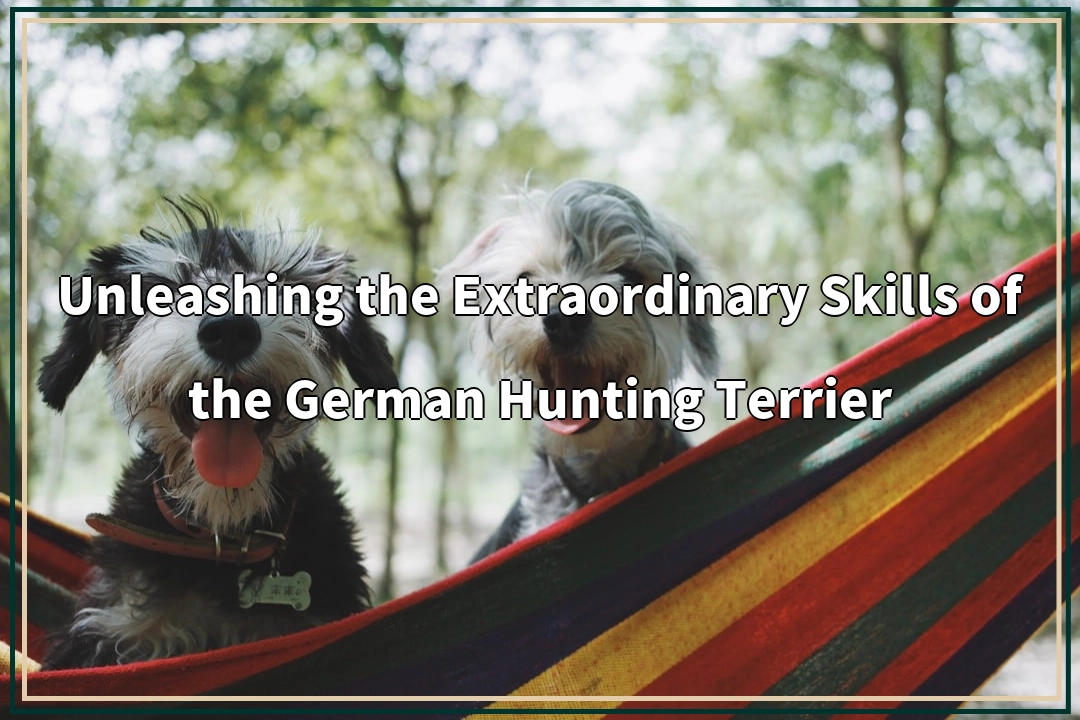
Discovering the Remarkable Abilities of the German Hunting Terrier
The German Hunting Terrier, also known as the Jagdterrier, is a breed that embodies the spirit of determination, intelligence, and versatility. This compact and muscular dog is not just a pet; it is a skilled working dog with a rich history rooted in hunting. Have you ever wondered what makes this breed stand out among other terriers? With its keen instincts and strong work ethic, the German Hunting Terrier is a favorite among hunters and outdoor enthusiasts alike. In this exploration, we will delve into the extraordinary skills that define this breed and what makes it an exceptional companion for those who appreciate its unique talents.
Understanding the German Hunting Terrier: A Comprehensive Overview
The German Hunting Terrier is a remarkable breed that originated in Germany, specifically bred for hunting purposes. This breed was developed in the early 20th century, with the aim of creating a versatile hunting dog capable of pursuing various types of game, both above and below ground. The Jagdterrier is known for its tenacity, intelligence, and strong prey drive, making it an ideal companion for experienced hunters.
One of the defining characteristics of the German Hunting Terrier is its compact and muscular build. These dogs are typically small to medium-sized, with a dense double coat that provides protection against harsh weather conditions. Their wiry fur is not only functional but also adds to their distinctive appearance. The breed’s strong and agile physique allows them to navigate through dense underbrush and rugged terrain, showcasing their exceptional hunting skills.
In terms of temperament, the German Hunting Terrier is known for being energetic, alert, and courageous. These dogs possess a strong work ethic and are highly trainable, which makes them excellent candidates for various tasks beyond hunting. Their intelligence allows them to learn commands quickly, and they thrive on mental and physical stimulation. This breed is not just a one-dimensional hunting dog; they can also excel in obedience training, agility, and even as family companions.
The history of the German Hunting Terrier is intertwined with the development of hunting practices in Germany. The breed was created by crossing various terrier breeds, including the Fox Terrier and the German Pinscher, to produce a dog that could effectively track and retrieve game. The German Hunting Terrier was specifically designed to work closely with hunters, showcasing its ability to locate, bay, and even corner larger animals such as wild boars. This unique skill set has made the Jagdterrier a valuable asset in the field, where its tenacity and determination shine through.
As a breed, the German Hunting Terrier is recognized for its pronounced hunting instinct. They are fearless and willing to take on challenges, which can sometimes lead to a stubborn streak. This characteristic is essential for a hunting dog, as it allows them to persist in their tasks even in the face of adversity. However, it also means that they require consistent training and socialization from an early age to ensure they develop into well-rounded companions.
In addition to their hunting capabilities, German Hunting Terriers are known for their loyalty and strong bond with their handlers. They thrive on companionship and are often described as affectionate and social dogs. This makes them not only excellent hunting partners but also loving family pets. Their energetic nature means they require regular exercise and mental stimulation to keep them happy and healthy.
Overall, the German Hunting Terrier is a breed that exemplifies the perfect blend of skill, intelligence, and loyalty. Whether you are an avid hunter or simply looking for a spirited companion, this breed offers a unique set of abilities that can enrich your life. As we continue to explore the various aspects of the German Hunting Terrier, we will uncover more about their care, health, and what it truly means to live with this extraordinary breed.

Distinctive Traits of the German Hunting Terrier
The German Hunting Terrier, or Jagdterrier, is a breed renowned for its unique set of characteristics that make it an exceptional working dog. Originating in Germany, this breed was developed specifically for hunting, and its traits reflect the demands of this role. With a compact and muscular build, the German Hunting Terrier is designed for agility and endurance, enabling it to navigate through challenging terrains while pursuing game. This breed is not just about physical prowess; it also possesses a keen intellect and a strong work ethic, making it highly trainable and adaptable to various tasks.
One of the most notable characteristics of the German Hunting Terrier is its dense double coat, which provides protection against harsh weather conditions. This wiry fur is not only functional but also adds to the breed’s distinctive appearance. The coat typically comes in a variety of colors, including black, brown, and a mix of both, often with tan markings. This variety in coloration allows the breed to blend into different environments, an advantageous trait for a hunting dog.
In terms of temperament, the German Hunting Terrier is known for its high energy levels and alertness. These dogs are naturally curious and possess a strong prey drive, which is essential for their hunting capabilities. Their intelligence allows them to learn commands quickly, but this same intelligence can also lead to a stubborn streak if not properly managed. Consistent training and socialization from an early age are crucial to harnessing their potential and ensuring they develop into well-mannered companions.
The breed’s fearless nature is another defining trait. German Hunting Terriers are known to take on challenges with determination, making them excellent at tracking and cornering game. This fearlessness, combined with their agility, allows them to pursue various types of quarry, including small mammals and larger animals like wild boars. Their ability to work both above and below ground showcases their versatility as hunting dogs.
Moreover, the German Hunting Terrier is characterized by its loyalty and strong bond with its handler. These dogs thrive on companionship and are often described as affectionate and social. They are not just hunting partners; they can also be loving family pets. Their energetic nature means they require regular exercise and mental stimulation to keep them happy and healthy. This breed is well-suited for active families or individuals who can provide the physical and mental engagement they need.
Essential Care and Health for the German Hunting Terrier
Caring for a German Hunting Terrier involves understanding their specific needs, particularly regarding diet and health. This breed requires a balanced diet that supports their high energy levels and active lifestyle. A high-quality dog food formulated for active breeds is recommended, as it provides the necessary nutrients to maintain their muscular build and overall health. It’s essential to choose a diet rich in protein, as this supports muscle development and recovery after exercise.
In addition to protein, the diet should include healthy fats, vitamins, and minerals to ensure optimal health. Omega fatty acids are particularly beneficial for maintaining a healthy coat and skin, which is crucial for this breed, given its dense fur. Owners should also be mindful of portion control to prevent obesity, as an overweight dog can face various health issues, including joint problems and decreased stamina.
Regular veterinary check-ups are vital for monitoring the health of a German Hunting Terrier. Like all breeds, they can be prone to certain health issues. Common concerns include hip dysplasia, patellar luxation, and certain skin conditions. Early detection and management of these issues can significantly improve the quality of life for these dogs. Additionally, maintaining a proper vaccination schedule and ensuring they are protected against parasites is crucial for their overall well-being.
Exercise is another critical component of care for the German Hunting Terrier. These dogs require daily physical activity to channel their energy positively. Regular walks, playtime, and opportunities for mental stimulation through training or interactive toys are essential. Engaging in activities like agility training or scent work can also provide both physical and mental challenges, keeping them happy and healthy.
Overall, the German Hunting Terrier is a breed that thrives on proper care and attention. By understanding their unique characteristics and meeting their needs, owners can ensure that these remarkable dogs lead fulfilling and healthy lives. Whether as a hunting companion or a family pet, the German Hunting Terrier’s distinctive traits and care requirements make them a breed worth knowing.

Embracing Life with the German Hunting Terrier
Living with a German Hunting Terrier, or Jagdterrier, is an experience filled with energy, loyalty, and companionship. This breed is not just a pet; it becomes an integral part of the family, known for its affectionate nature and strong bonds with its owners. However, potential owners should be aware of the breed’s unique needs and characteristics to ensure a harmonious living environment.
Compatibility is one of the key aspects of owning a German Hunting Terrier. These dogs are known for their sociable demeanor and can thrive in a family setting. They typically get along well with children, displaying a playful and protective attitude towards their younger family members. However, it’s essential to supervise interactions between the dog and small children, as the terrier’s energetic nature might unintentionally lead to rough play.
When it comes to other pets, the German Hunting Terrier’s compatibility can vary. Given their strong prey drive, they may not be the best fit for households with small animals like rabbits or birds. However, with proper socialization and training from an early age, they can learn to coexist peacefully with other dogs. It is crucial to introduce the German Hunting Terrier to other pets gradually and in a controlled manner to ensure a positive relationship.
Activity needs are another significant consideration for anyone thinking about welcoming a German Hunting Terrier into their home. This breed is known for its high energy levels and requires ample exercise to remain healthy and happy. Daily walks, play sessions, and mental stimulation through training or interactive toys are essential components of their routine. Engaging in activities like agility training or scent work can also help channel their energy positively, providing both physical and mental challenges.
Failure to meet their exercise requirements can lead to boredom and behavioral issues, as a German Hunting Terrier is an intelligent breed that thrives on stimulation. Ideally, they should have at least an hour of vigorous exercise each day. This can include long walks, running, or participating in dog sports, which not only helps them burn off energy but also strengthens the bond between the dog and its owner.
In addition to physical activity, mental stimulation is equally important. German Hunting Terriers are intelligent and curious, and they enjoy problem-solving tasks. Puzzle toys, obedience training, and interactive games can keep their minds sharp and engaged. Incorporating training sessions into their daily routine can also reinforce good behavior and enhance their skills, making them well-rounded companions.
Your Questions Answered: Insights into the German Hunting Terrier
As potential owners explore the idea of bringing a German Hunting Terrier into their lives, several questions may arise. This FAQ section addresses common queries about the breed, helping to clarify what to expect when living with a Jagdterrier.
1. Are German Hunting Terriers good family pets?
Yes, German Hunting Terriers can make excellent family pets. They are known for their affectionate nature and can be great companions for children. However, supervision is essential, especially with younger kids, to ensure safe interactions.
2. How much exercise does a German Hunting Terrier need?
This breed requires a significant amount of exercise—at least an hour each day. Regular walks, playtime, and engaging activities are vital to keep them physically fit and mentally stimulated.
3. Do German Hunting Terriers get along with other pets?
Compatibility with other pets can vary. While they may not be suitable for homes with small animals due to their prey drive, they can coexist with other dogs if properly socialized from a young age.
4. What is the grooming requirement for a German Hunting Terrier?
The German Hunting Terrier has a dense, wiry coat that requires regular grooming to keep it healthy. Brushing a few times a week can help prevent matting and remove loose hair. They are not heavy shedders, but regular grooming is still necessary to maintain coat quality.
5. Are German Hunting Terriers easy to train?
Yes, German Hunting Terriers are intelligent and eager to please, making them relatively easy to train. Consistent, positive reinforcement methods work best, and early socialization is crucial for well-rounded behavior.
6. What are common health issues in German Hunting Terriers?
Like all breeds, German Hunting Terriers can be prone to specific health issues, including hip dysplasia and certain skin conditions. Regular veterinary check-ups and a healthy diet can help mitigate these concerns.
By understanding the unique characteristics and requirements of the German Hunting Terrier, potential owners can make informed decisions and create a fulfilling life for both themselves and their canine companions. This breed’s energetic and loyal nature makes it a rewarding addition to any active family.
