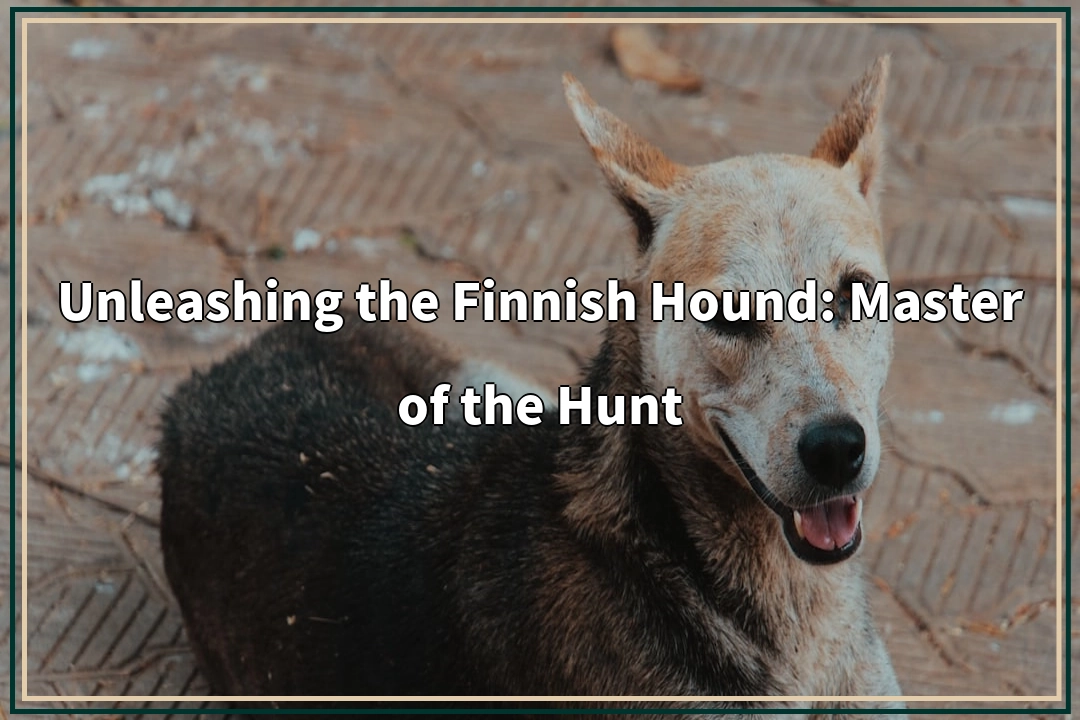
Discovering the Finnish Hound: A Hunter’s Best Friend
The Finnish Hound, known as Suomenajokoira in its native Finland, is a breed that embodies the spirit of adventure and the thrill of the hunt. Renowned for its exceptional hunting abilities, this breed has captured the hearts of hunters and dog enthusiasts alike. But what makes the Finnish Hound stand out in the world of hunting dogs? Is it their keen sense of smell, their endurance, or perhaps their unique temperament? In this exploration, we will delve into the fascinating world of the Finnish Hound, uncovering its remarkable skills and the traits that make it a master of the hunt.
Understanding the Finnish Hound: A Breed Overview
The Finnish Hound is a breed that has been meticulously developed over centuries to excel in hunting, particularly in tracking game such as hare and fox. This breed is characterized by its strong build, keen senses, and an innate ability to work in challenging terrains, making it a favorite among hunters in Finland and beyond.
Originating from Finland, the Finnish Hound was bred from a combination of various hound breeds, including the Harrier and other local hounds. The goal was to create a versatile hunting dog that could thrive in the diverse Finnish landscape, which includes forests, hills, and open fields. The breed’s development was heavily influenced by the needs of Finnish hunters, who required a dog that could not only track and chase game but also work well with humans in the field.
One of the most notable traits of the Finnish Hound is its exceptional sense of smell. This breed is known for its ability to track scents over long distances, making it an invaluable asset during hunting expeditions. Finnish Hounds are often praised for their endurance, allowing them to keep up with the chase even in rugged terrain and harsh weather conditions. Their stamina is complemented by a friendly and sociable temperament, which makes them not only great hunting companions but also loving family pets.
In terms of physical characteristics, the Finnish Hound typically has a well-proportioned body, with a strong and muscular build. They have a short, dense coat that is usually a combination of black, tan, and white, providing them with the necessary protection against the elements. Their ears are long and droopy, adding to their expressive appearance, while their eyes are alert and intelligent, reflecting their keen hunting instincts.
As a breed, Finnish Hounds are known for their loyalty and affection towards their families. They thrive on human interaction and require regular exercise to keep them physically and mentally stimulated. This breed is not only a skilled hunter but also a playful and energetic companion that enjoys spending time with its human family members.
In summary, the Finnish Hound is a remarkable breed that excels in hunting due to its keen senses, endurance, and friendly disposition. With a rich history rooted in the needs of Finnish hunters, this breed has proven itself to be a master of the hunt while also making a loving addition to any family. Whether you are an avid hunter or simply looking for a loyal companion, the Finnish Hound is a breed worth considering.

Distinctive Traits of the Finnish Hound: A Hunter’s Companion
The Finnish Hound is a breed that stands out not only for its hunting prowess but also for its unique characteristics that make it a beloved companion. Understanding these traits is essential for anyone considering adding this breed to their family or utilizing them for hunting purposes. Finnish Hounds are known for their athletic build, keen senses, and friendly demeanor, all of which contribute to their effectiveness as hunting dogs.
One of the most defining characteristics of the Finnish Hound is its exceptional sense of smell. This breed has been bred for generations to track scents over long distances, making it an invaluable asset during hunting expeditions. Their olfactory capabilities allow them to follow trails left by game such as hare and fox, which is why they are highly regarded among hunters. The Finnish Hound’s ability to work independently while also being responsive to commands makes them a versatile hunting partner.
In terms of physical appearance, Finnish Hounds are medium-sized dogs with a well-proportioned and muscular build. They typically weigh between 40 to 60 pounds and stand about 20 to 24 inches tall at the shoulder. Their coat is short and dense, usually featuring a combination of black, tan, and white colors. This coloration not only provides them with a striking appearance but also offers some protection against the elements during outdoor activities.
The breed’s ears are long and droopy, which adds to their expressive and friendly face. Their eyes are bright and alert, showcasing their intelligence and eagerness to engage with their surroundings. Finnish Hounds are known for their energetic nature, requiring regular exercise to keep them physically fit and mentally stimulated. This energy, combined with their friendly disposition, makes them great companions for active families.
Temperamentally, Finnish Hounds are known for their sociable and affectionate nature. They are generally good with children and can get along well with other dogs, especially if socialized from a young age. Their friendly demeanor makes them excellent family pets, as they thrive on human interaction and companionship. However, it is essential to provide them with consistent training and socialization to ensure they develop into well-mannered adults.
In summary, the Finnish Hound’s distinctive traits—ranging from its exceptional hunting abilities to its friendly and sociable nature—make it a unique breed that excels in various roles, whether as a hunting companion or a family pet. Understanding these characteristics is crucial for potential owners to ensure they can meet the needs of this remarkable breed.
Essential Care and Health for the Finnish Hound
Caring for a Finnish Hound involves understanding their specific health needs and dietary requirements to ensure they live a long, healthy life. This breed is generally robust and hardy, but like all dogs, they can be prone to certain health issues that owners should be aware of.
One of the primary considerations for Finnish Hound care is their diet. A balanced and nutritious diet is essential for maintaining their energy levels, especially given their active nature. High-quality dog food that meets the nutritional standards for medium-sized breeds is recommended. Look for dog food that lists meat as the first ingredient, as Finnish Hounds require a protein-rich diet to support their muscle development and overall health.
Additionally, it is important to provide a diet that includes healthy fats, carbohydrates, vitamins, and minerals. Omega fatty acids are particularly beneficial for maintaining healthy skin and a shiny coat, which is essential for this breed’s dense fur. Regular feeding schedules should be established, typically two meals a day, to help manage their weight and prevent obesity, which can lead to other health issues.
Health-wise, Finnish Hounds are generally healthy dogs, but they can be susceptible to certain conditions. Hip dysplasia is a common concern in many dog breeds, including the Finnish Hound. This genetic condition affects the hip joint and can lead to arthritis and mobility issues as the dog ages. Regular veterinary check-ups and maintaining a healthy weight can help mitigate this risk.
Another health concern to be aware of is ear infections, which can occur due to their long, droopy ears. Regular ear cleaning and inspections can help prevent infections and keep their ears healthy. Additionally, Finnish Hounds can be prone to certain skin conditions, so monitoring their skin for any unusual signs or irritations is essential.
Regular exercise is also a crucial aspect of care for Finnish Hounds. These dogs require daily physical activity to stay healthy and happy. Engaging them in activities such as running, hiking, or playing fetch not only keeps them physically fit but also provides mental stimulation, which is vital for their overall well-being.
In conclusion, providing proper care and attention to the health needs of a Finnish Hound is essential for ensuring they thrive as both hunting companions and family pets. By focusing on a balanced diet, regular veterinary care, and ample exercise, owners can help their Finnish Hounds lead healthy, fulfilling lives.

Embracing Life with the Finnish Hound: A Family Companion
The Finnish Hound is not just a remarkable hunting dog; it is also a loving family companion that thrives in a household environment. Understanding how this breed interacts with families, children, and other pets is crucial for anyone considering welcoming a Finnish Hound into their home.
When it comes to compatibility, Finnish Hounds are known for their friendly and sociable nature. They typically get along well with children, making them an excellent choice for families. Their playful demeanor means they enjoy engaging with kids, and their patience allows them to tolerate the energetic antics that often come with having little ones around. Socialization from an early age can help reinforce these positive interactions, ensuring that the Finnish Hound develops into a well-mannered family member.
In terms of their interactions with other pets, Finnish Hounds can coexist harmoniously with other dogs, especially if they are raised together or introduced properly. However, their strong hunting instincts may kick in when encountering smaller animals, such as cats or rodents. Therefore, it’s essential to monitor their interactions and provide training to ensure that they learn to respect the space of smaller pets.
Another vital aspect of living with a Finnish Hound is understanding their activity needs. This breed is known for its high energy levels and requires ample exercise to stay happy and healthy. Finnish Hounds thrive in active households where they can participate in outdoor activities such as running, hiking, or playing fetch. A minimum of one hour of vigorous exercise each day is recommended to meet their physical and mental stimulation requirements.
Engaging in training sessions and interactive play can also help satisfy their mental stimulation needs. Finnish Hounds are intelligent and eager to please, making them receptive to learning new commands and tricks. Regular training not only reinforces good behavior but also strengthens the bond between the dog and its owner.
In summary, living with a Finnish Hound can be a rewarding experience for families who can meet their activity needs and provide them with the love and attention they crave. Their sociable nature, combined with their high energy levels, makes them an ideal companion for active households that appreciate the joy and companionship a dog can bring.
Your Questions Answered: Finnish Hound Insights
As potential owners explore the idea of welcoming a Finnish Hound into their lives, they often have specific questions regarding the breed. This FAQ section addresses some of the most common inquiries that future Finnish Hound owners might have.
1. Are Finnish Hounds good family dogs?
Yes, Finnish Hounds are known for their friendly and sociable nature, making them excellent family pets. They are generally good with children and enjoy being part of family activities.
2. How much exercise does a Finnish Hound need?
Finnish Hounds are high-energy dogs that require at least one hour of vigorous exercise each day. Activities such as running, hiking, and interactive play are ideal for meeting their physical and mental stimulation needs.
3. Do Finnish Hounds get along with other pets?
Finnish Hounds can get along with other dogs, especially if they are socialized from a young age. However, their strong hunting instincts may make them less compatible with smaller pets like cats or rodents, so supervision is advised.
4. What is the grooming requirement for Finnish Hounds?
Finnish Hounds have a short, dense coat that requires minimal grooming. Regular brushing helps reduce shedding and keeps their coat healthy. Bathing should be done as needed, especially after outdoor adventures.
5. Are Finnish Hounds prone to any health issues?
While generally healthy, Finnish Hounds can be prone to hip dysplasia and ear infections due to their ear structure. Regular veterinary check-ups and maintaining a healthy weight can help mitigate these risks.
6. What is the best diet for a Finnish Hound?
A balanced diet rich in high-quality protein is essential for Finnish Hounds. Look for dog food that lists meat as the first ingredient, along with healthy fats and carbohydrates to support their active lifestyle.
7. How can I train my Finnish Hound effectively?
Finnish Hounds are intelligent and eager to please, making them receptive to training. Positive reinforcement methods, such as treats and praise, work best. Consistency and patience are key to successful training.
By addressing these common questions, potential owners can gain a clearer understanding of what it takes to care for a Finnish Hound and what to expect from this remarkable breed. With the right environment and commitment, the Finnish Hound can become a cherished member of any family.
