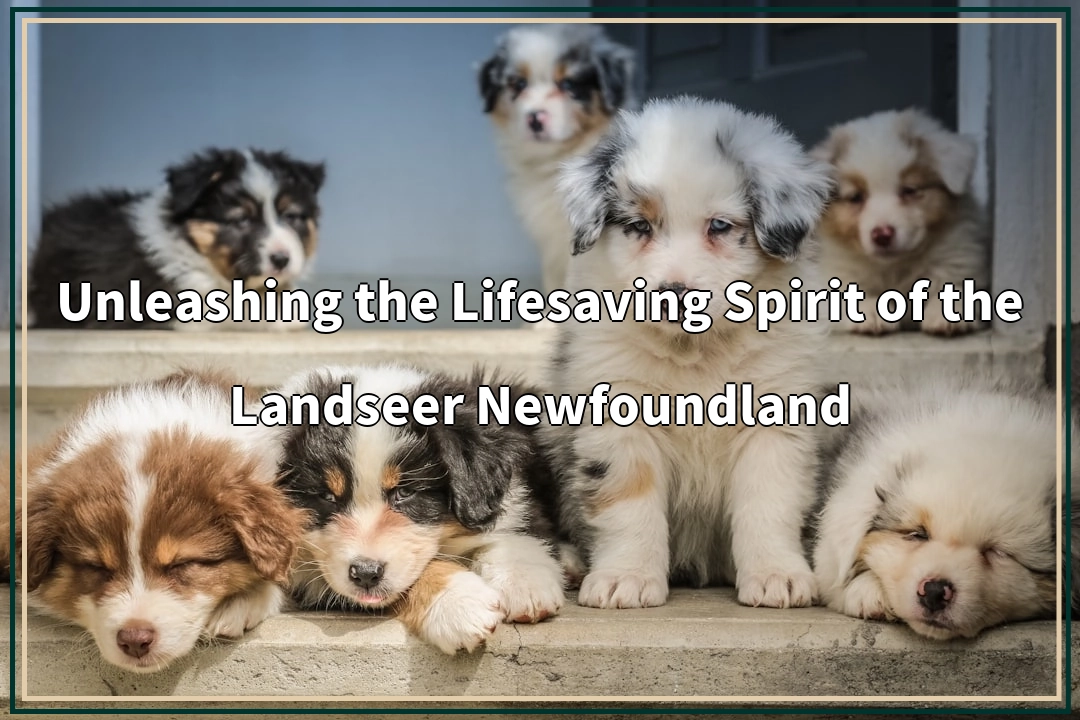
Discovering the Lifesaving Legacy of the Landseer Newfoundland
The Landseer Newfoundland is not just a breed; it is a remarkable testament to the bond between humans and dogs, particularly in the realm of water rescue. Known for their impressive swimming abilities and gentle temperament, these dogs have a storied history that intertwines with the rugged coasts of Newfoundland. Did you know that Newfoundlands, including the Landseer variety, have been utilized for water rescue for centuries? Their innate instincts and physical attributes make them exceptional lifesavers, often coming to the aid of those in perilous situations in the water. This blog post will delve into the fascinating world of the Landseer Newfoundland, exploring their unique characteristics, history, and the vital role they play in water rescue operations.
Understanding the Landseer Newfoundland: A Breed Overview
The Landseer Newfoundland is a strikingly beautiful breed, easily recognizable by its distinctive black and white coat. This breed is a variation of the Newfoundland dog, which has been bred for its exceptional swimming capabilities and strong work ethic. The Landseer Newfoundland is named after the famous British painter Sir Edwin Landseer, who often depicted these dogs in his artwork, showcasing their noble stature and gentle demeanor.
Originating from the cold, harsh environments of Newfoundland, these dogs were initially bred to assist fishermen. Their muscular build, thick double coat, and webbed feet make them perfectly suited for life in the water. The Landseer Newfoundland’s water-resistant fur allows them to swim effortlessly, while their powerful limbs enable them to navigate through rough waters with ease. This breed’s natural affinity for water is complemented by their intelligence and eagerness to please, making them highly trainable and effective in rescue situations.
Historically, Newfoundlands were employed as working dogs, assisting in various tasks such as hauling nets, retrieving fish, and even saving lives. Their remarkable swimming abilities have been documented for centuries, with accounts of these dogs rescuing drowning individuals and helping to pull boats to safety. The Landseer Newfoundland, in particular, has gained recognition for its exceptional skills in water rescue, often participating in organized rescue operations and competitions.
In terms of temperament, the Landseer Newfoundland is known for its gentle and calm nature. They are incredibly loyal and protective of their families, making them excellent companions for both individuals and families alike. Their nurturing spirit is evident in their interactions with children and other pets, as they are known to be patient and affectionate. This breed’s friendly disposition, combined with their impressive physical capabilities, makes them a beloved choice for those seeking a loyal and hardworking canine partner.
As we explore the Landseer Newfoundland further, we will uncover the specific characteristics that set them apart, the care and health considerations for this breed, and what it is like to live with a Landseer Newfoundland. Their legacy as water rescue dogs is not just a part of their history; it is a defining feature of their identity, showcasing the incredible bond between humans and these magnificent animals.

Defining Traits of the Landseer Newfoundland
The Landseer Newfoundland is a breed that stands out not only for its striking appearance but also for its remarkable traits that make it an exceptional companion and working dog. This breed is characterized by its large size, with males typically weighing between 130 to 150 pounds and females ranging from 100 to 120 pounds. Their robust build is complemented by a thick, water-resistant double coat that is predominantly white with black markings, giving them a distinctive and elegant look.
One of the most notable characteristics of the Landseer Newfoundland is its strong swimming ability. Bred for water rescue, these dogs possess webbed feet that aid in their swimming prowess, allowing them to navigate through rough waters with ease. Their powerful limbs and broad chest provide the strength needed to perform lifesaving rescues, making them invaluable assets in emergency situations. This breed’s natural affinity for water is not just a physical trait; it is also deeply ingrained in their instincts, which drives them to seek out and assist those in distress.
In addition to their physical attributes, the Landseer Newfoundland is known for its gentle and calm temperament. These dogs are incredibly loyal and protective, forming strong bonds with their families. Their nurturing nature makes them excellent companions for children and other pets, as they are patient and affectionate. This breed is often described as having a “gentle giant” demeanor, which is reflected in their interactions with both humans and animals alike.
Intelligence is another key characteristic of the Landseer Newfoundland. They are quick learners and respond well to training, making them suitable for various roles, including therapy and assistance dogs. Their eagerness to please their owners further enhances their trainability, allowing them to excel in obedience and water rescue training. The combination of their physical strength, intelligence, and gentle temperament makes the Landseer Newfoundland a versatile breed that can adapt to various environments and tasks.
Overall, the Landseer Newfoundland embodies a unique blend of strength, loyalty, and a deep connection to water. Their historical role as water rescuers, combined with their striking appearance and gentle spirit, makes them a beloved choice for families and individuals seeking a devoted canine companion.
Essential Care and Health Considerations for the Landseer Newfoundland
Caring for a Landseer Newfoundland requires a commitment to their specific needs, particularly in terms of diet and health. This breed’s large size and active lifestyle necessitate a well-balanced diet that supports their growth and energy levels. High-quality dog food formulated for large breeds is essential, as it provides the necessary nutrients to maintain their muscular build and overall health. Look for dog food that contains a good balance of protein, fats, and carbohydrates, as well as essential vitamins and minerals.
When selecting a diet for your Landseer Newfoundland, consider their age, weight, and activity level. Puppies require a diet rich in protein to support their rapid growth, while adult dogs benefit from a balanced diet that helps maintain their weight and energy levels. It is also important to monitor their caloric intake, as this breed can be prone to obesity if overfed. Regular feeding schedules and portion control are crucial in preventing weight gain and ensuring optimal health.
In addition to diet, regular exercise is vital for the Landseer Newfoundland. These dogs thrive on physical activity, and daily walks, playtime, and swimming sessions are essential to keep them fit and mentally stimulated. Engaging in water-related activities not only allows them to utilize their natural swimming abilities but also strengthens the bond between the dog and its owner.
Health-wise, the Landseer Newfoundland is generally a robust breed, but they are prone to certain health issues that potential owners should be aware of. Common health concerns include hip dysplasia, elbow dysplasia, and certain heart conditions. Regular veterinary check-ups and screenings can help detect these issues early, allowing for timely intervention and management. Additionally, maintaining a healthy weight and providing regular exercise can help mitigate the risk of developing joint problems.
Another important aspect of care for the Landseer Newfoundland is grooming. Their thick double coat requires regular brushing to prevent matting and to remove loose hair. During shedding seasons, more frequent grooming may be necessary to keep their coat healthy and manageable. Bathing should be done as needed, but over-bathing can strip their coat of natural oils, so it is essential to find a balance.
Overall, the Landseer Newfoundland is a breed that thrives on proper care, nutrition, and regular health check-ups. By understanding their unique needs and providing a loving and supportive environment, owners can ensure that their Landseer Newfoundland remains a happy and healthy companion for years to come.

Embracing Life with a Landseer Newfoundland
Living with a Landseer Newfoundland is a rewarding experience, characterized by companionship, loyalty, and a sense of adventure. This breed is known for its gentle nature, making it an ideal family dog. Landseer Newfoundlands typically thrive in family environments, forming strong bonds with children and adults alike. Their calm demeanor and nurturing instincts allow them to be patient and protective, often acting as gentle guardians for young ones. This affectionate nature is complemented by their social temperament, as they generally get along well with other pets, including dogs and cats, provided they are introduced properly and socialized from a young age.
Compatibility with families is one of the key strengths of the Landseer Newfoundland. They are known to be friendly and sociable, enjoying the company of people and other animals. Their large size does not translate into a dominating personality; instead, they often exhibit a laid-back attitude, making them great companions for households of all sizes. The Landseer Newfoundland’s innate desire to please and protect its family makes them a perfect choice for families looking for a loyal companion.
Activity needs are another crucial aspect of living with a Landseer Newfoundland. While they are large and strong dogs, they do not require excessive exercise. However, regular physical activity is essential to keep them healthy and happy. Daily walks, playtime, and opportunities to swim are vital to meet their activity level and stimulation requirements. Given their background as water rescue dogs, they particularly enjoy swimming and are natural swimmers, making water-based activities a perfect outlet for their energy.
In addition to physical exercise, mental stimulation is equally important for the Landseer Newfoundland. Engaging them in training sessions, puzzle toys, and interactive games can help keep their minds sharp and prevent boredom. This breed thrives on routine and structure, so establishing a consistent schedule for walks, meals, and playtime can help them feel secure and content.
Another factor to consider when living with a Landseer Newfoundland is their grooming needs. Their thick double coat requires regular brushing to prevent matting and manage shedding. This grooming routine can be an enjoyable bonding activity for both the dog and the owner, reinforcing the relationship between them. Bathing should be done as needed, ensuring their coat remains healthy and clean without stripping it of natural oils.
In summary, embracing life with a Landseer Newfoundland means welcoming a gentle giant into your home. Their compatibility with families, combined with their moderate activity needs and grooming requirements, creates a fulfilling experience for both the dog and its owners. With proper care, socialization, and love, a Landseer Newfoundland can become an irreplaceable member of the family, bringing joy and companionship for years to come.
Your Landseer Newfoundland Questions Answered
As potential owners consider bringing a Landseer Newfoundland into their homes, several common questions arise. This FAQ section aims to address some of the most frequently asked questions about this magnificent breed, providing insights and information that can help prospective owners make informed decisions.
1. Are Landseer Newfoundlands good family dogs?
Yes, Landseer Newfoundlands are excellent family dogs. Their gentle temperament and loyalty make them ideal companions for children and adults alike. They are known for their protective instincts and nurturing nature, which allows them to form strong bonds with family members.
2. How much exercise does a Landseer Newfoundland need?
Landseer Newfoundlands require regular exercise to maintain their health and happiness. Daily walks, playtime, and opportunities to swim are essential to meet their activity needs. While they are not overly demanding in terms of exercise, they do benefit from a consistent routine of physical and mental stimulation.
3. Do Landseer Newfoundlands get along with other pets?
Yes, Landseer Newfoundlands generally get along well with other pets, including dogs and cats, especially when properly socialized from a young age. Their friendly and sociable nature makes them compatible with various animals, although early introductions are crucial to ensure positive interactions.
4. What grooming needs do Landseer Newfoundlands have?
The thick double coat of a Landseer Newfoundland requires regular grooming to prevent matting and manage shedding. Brushing several times a week is recommended, and bathing should be done as needed to maintain coat health without stripping natural oils.
5. Are Landseer Newfoundlands prone to any health issues?
Like all breeds, Landseer Newfoundlands can be prone to certain health issues, including hip and elbow dysplasia and heart conditions. Regular veterinary check-ups and a healthy diet can help mitigate these risks and ensure their overall well-being.
6. How trainable are Landseer Newfoundlands?
Landseer Newfoundlands are generally intelligent and eager to please, making them trainable dogs. They respond well to positive reinforcement techniques and thrive in structured environments. Early socialization and obedience training are beneficial for this breed.
By addressing these common questions, prospective Landseer Newfoundland owners can better understand what to expect from this remarkable breed. With the right care, training, and love, a Landseer Newfoundland can become a cherished member of any family.
