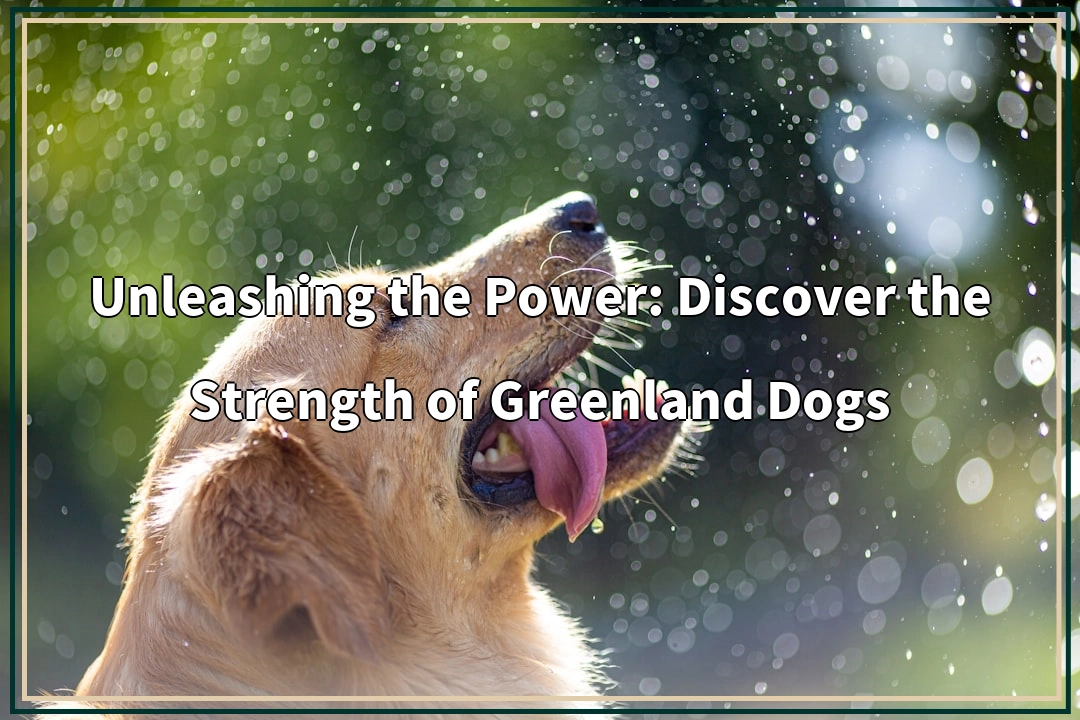
Unveiling the Strength of the Greenland Dog
The Greenland Dog, a remarkable breed known for its incredible strength and endurance, has captured the hearts of dog enthusiasts and working dog aficionados alike. Originating from the harsh Arctic regions, this breed was meticulously developed to thrive in extreme conditions, showcasing its unparalleled physical capabilities. But what exactly makes the Greenland Dog stand out in the canine world? With a history steeped in utility and resilience, these dogs are not just pets; they are powerful companions that have played a crucial role in the survival of Arctic communities.
Understanding the Greenland Dog: A Breed of Power
The Greenland Dog is an ancient breed that has been integral to the lives of the Inuit people for centuries. Bred primarily for pulling sleds across icy terrains, these dogs possess a unique combination of strength, stamina, and an independent spirit. Their robust build and powerful muscles enable them to navigate the challenging Arctic landscape, making them exceptional working dogs.
Originating from Greenland, this breed has a rich history that dates back thousands of years. The Greenland Dog was developed by the Inuit for various tasks, including hunting seals and polar bears, as well as transporting goods across vast, frozen expanses. Their ability to endure harsh weather conditions and perform demanding physical tasks has made them invaluable to the communities that rely on them.
One of the most defining characteristics of the Greenland Dog is its physical strength. With a sturdy frame, deep chest, and powerful legs, these dogs are built for endurance. They can pull heavy sleds over long distances, showcasing their impressive muscular structure. This breed is not just about brute strength; they also possess a keen intelligence and a strong work ethic, making them highly trainable and reliable companions.
In terms of appearance, the Greenland Dog features a thick double coat that provides insulation against the cold. This coat is medium in length and consists of a dense undercoat and a longer outer coat, which helps protect them from the elements. Their tails are often curled over their backs, adding to their distinctive look. These physical traits are not merely aesthetic; they are essential for survival in the Arctic environment.
As a breed, Greenland Dogs are known for their energetic and bold temperament. They are independent thinkers, which can sometimes be mistaken for stubbornness. However, this trait is a reflection of their history as working dogs that needed to make decisions in the field. While they are friendly and social with people, they are not overly attached to any one individual, making them less suitable as traditional companion dogs. Instead, they thrive in environments where they can engage in physical activities and work alongside their human counterparts.
In recent years, the Greenland Dog has gained popularity outside of its native region, attracting attention from dog lovers and enthusiasts around the world. Their strength and endurance make them ideal candidates for various dog sports, including sledding and weight pulling. However, potential owners should be aware of the breed’s unique needs and characteristics, as they require ample exercise and mental stimulation to thrive.
In summary, the Greenland Dog is a breed that embodies strength, resilience, and a deep connection to its historical roots. With their impressive physical capabilities and independent nature, these dogs are not just pets; they are powerful partners that have played a vital role in the survival of Arctic cultures. Understanding the Greenland Dog’s history and characteristics is essential for anyone considering bringing this remarkable breed into their home.

Defining Traits of the Greenland Dog
The Greenland Dog is a breed that embodies strength, resilience, and a robust physical presence. This breed is characterized by its impressive muscular build, which is essential for its historical role as a sled dog in the Arctic. The Greenland Dog is not just strong; it is also remarkably agile, allowing it to navigate through challenging terrains with ease. With a deep chest and powerful legs, these dogs are designed for endurance, capable of pulling heavy sleds over long distances.
One of the most striking features of the Greenland Dog is its thick double coat, which consists of a dense undercoat and a longer outer coat. This unique fur structure provides insulation against the frigid Arctic temperatures, allowing the breed to thrive in extreme weather conditions. The coat is medium in length and can come in various colors, including black, gray, and white, often with distinctive markings. The tail of the Greenland Dog is another notable characteristic; it is typically curled over the back, adding to the breed’s unique appearance.
In terms of temperament, the Greenland Dog is known for its energetic and independent nature. These dogs are intelligent and possess a strong work ethic, traits that have been honed through generations of selective breeding for their roles as working dogs. While they are friendly and social with people, they are not overly attached to any one individual, reflecting their history as pack animals. This independence can sometimes be perceived as stubbornness, but it is a testament to their ability to think for themselves in the field.
Another defining trait of the Greenland Dog is its adaptability. While they are primarily known for their strength and endurance, they also exhibit a remarkable ability to adjust to different environments. This adaptability makes them suitable for various activities beyond sledding, including dog sports and outdoor adventures. However, potential owners should be aware that these dogs require ample exercise and mental stimulation to keep them happy and healthy.
Essential Care and Health for Greenland Dogs
Caring for a Greenland Dog involves understanding their unique nutritional needs and health considerations. As a breed that has been historically used for heavy labor, their diet should be rich in high-quality protein to support their muscular build and energy levels. A balanced diet that includes lean meats, whole grains, and vegetables is essential for maintaining their overall health and vitality.
When it comes to feeding, it’s important to choose a dog food that is specifically formulated for active breeds. This type of food typically contains higher levels of protein and fat to meet the energy demands of a Greenland Dog. Additionally, it’s crucial to monitor their weight, as these dogs can be prone to obesity if overfed or not exercised adequately. Regular feeding schedules and portion control can help maintain a healthy weight.
Health-wise, the Greenland Dog is generally a robust breed, but like all dogs, they can be susceptible to certain health issues. Common concerns include hip dysplasia, which is a genetic condition that affects the hip joint, and eye disorders such as cataracts. Regular veterinary check-ups are essential for early detection and management of these potential health issues.
Another important aspect of care is ensuring that Greenland Dogs receive adequate exercise. These dogs thrive on physical activity and mental challenges, so daily walks, playtime, and engaging activities are vital for their well-being. In addition to physical exercise, mental stimulation through training and interactive toys can help keep their minds sharp and prevent boredom.
Grooming is also an essential part of caring for a Greenland Dog. Their thick double coat requires regular brushing to prevent matting and to remove loose fur, especially during shedding seasons. Bathing should be done as needed, but not too frequently, as over-bathing can strip their coat of natural oils. Regular dental care, nail trimming, and ear cleaning are also important components of their overall health maintenance.
In summary, the Greenland Dog is a breed that requires dedicated care and attention to thrive. By understanding their unique characteristics and health needs, owners can ensure that these powerful dogs lead happy, healthy lives, fulfilling their potential as both working companions and beloved family members.

Integrating the Greenland Dog into Family Life
Bringing a Greenland Dog into your home can be a rewarding experience, especially for families that lead active lifestyles. Known for their friendly demeanor and adaptability, Greenland Dogs can form strong bonds with their human companions. They thrive in environments where they are included in family activities, as their independent nature means they appreciate being part of a pack, even if they don’t always display overt affection.
Compatibility with families is one of the strong suits of the Greenland Dog. These dogs are generally good with children and can be playful and protective. However, it is important to teach children how to interact with dogs respectfully to foster a positive relationship. Given their size and strength, supervision during playtime is recommended to prevent any accidental roughhousing.
When it comes to living with other pets, Greenland Dogs can be social and friendly, but their prey drive may affect how they interact with smaller animals. Early socialization is crucial for ensuring that they learn how to coexist peacefully with other pets in the household. Positive reinforcement training can also help in managing any strong instincts they may have.
Activity needs are a significant aspect of life with a Greenland Dog. These dogs were bred for endurance and strength, meaning they require regular and vigorous exercise to keep them happy and healthy. Daily walks, runs, and play sessions are essential, along with opportunities for mental stimulation. Engaging them in activities such as sledding, weight pulling, or even agility training can help fulfill their exercise needs while also strengthening the bond between the dog and its owner.
In addition to physical exercise, mental stimulation is crucial for Greenland Dogs. Puzzle toys, obedience training, and interactive games can help keep their minds engaged and prevent boredom. A bored Greenland Dog may resort to destructive behaviors, so it’s important to incorporate a variety of activities into their daily routine.
Overall, living with a Greenland Dog can be a fulfilling experience for active families who can meet their needs for companionship, exercise, and mental engagement. Understanding their characteristics and providing the right environment will ensure that both the dog and its family can enjoy a harmonious relationship.
Your Greenland Dog Questions Answered
As with any breed, prospective owners of Greenland Dogs often have questions regarding their care, temperament, and overall suitability as family pets. Here are some frequently asked questions that can help potential owners make informed decisions.
1. Are Greenland Dogs good family pets?
Yes, Greenland Dogs can be excellent family pets, especially for active families. They are known for their friendly demeanor and adaptability, making them suitable companions for children and adults alike. However, early socialization and training are important to ensure they interact well with all family members.
2. How much exercise does a Greenland Dog need?
Greenland Dogs require a significant amount of exercise due to their high energy levels. Daily walks, playtime, and activities that challenge them physically and mentally are essential. They thrive on vigorous exercise, so owners should be prepared to provide at least an hour of physical activity each day.
3. Can Greenland Dogs live in apartments?
While it is possible for Greenland Dogs to live in apartments, it is not ideal unless they receive ample daily exercise. These dogs need space to run and play, so access to outdoor areas or parks is crucial. Owners living in apartments should commit to providing regular exercise and mental stimulation to meet the dog’s needs.
4. What health issues are common in Greenland Dogs?
Greenland Dogs are generally healthy, but they can be prone to certain health issues, such as hip dysplasia and eye disorders. Regular veterinary check-ups and a healthy diet can help manage these concerns. Responsible breeding practices can also minimize the risk of genetic health issues.
5. How do I train a Greenland Dog?
Training a Greenland Dog requires patience and consistency. Positive reinforcement methods work best, as these dogs respond well to rewards and praise. Early socialization and basic obedience training are essential to ensure they grow into well-mannered adults. Engaging them in fun training activities can also help keep their interest and strengthen the bond between dog and owner.
6. Are Greenland Dogs good with other pets?
Greenland Dogs can be good with other pets, but their strong prey drive may affect how they interact with smaller animals. Early socialization is crucial for ensuring positive relationships with other pets. Introducing them to different animals in a controlled manner can help them learn to coexist peacefully.
In summary, understanding the unique needs and characteristics of the Greenland Dog can help prospective owners make informed decisions about bringing this remarkable breed into their homes. By providing the right environment, exercise, and care, families can enjoy the many rewards that come with living alongside a Greenland Dog.
