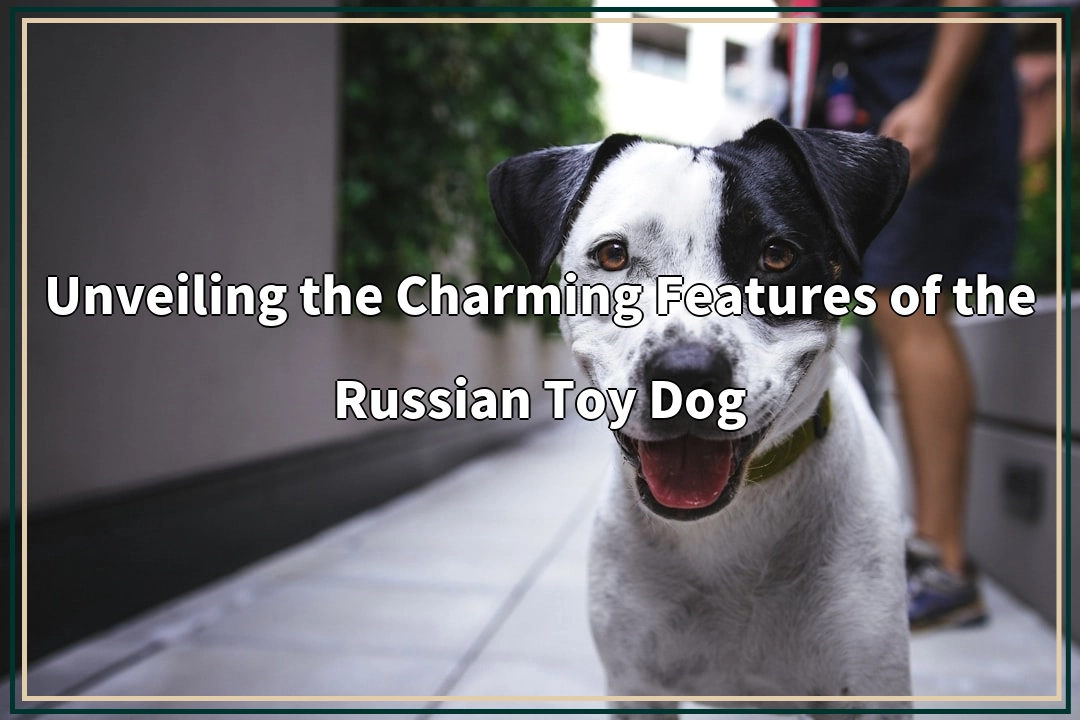
Discovering the Allure of the Russian Toy Dog
The Russian Toy Dog, a delightful and diminutive breed, has captured the hearts of dog lovers around the world. Known for its charming personality and striking appearance, this breed is not just a pretty face; it is also a bundle of energy and affection. But what makes the Russian Toy Dog so special? With its origins steeped in history and a unique set of characteristics, this breed stands out among the myriad of toy dogs available today. Whether you are considering adding one to your family or simply want to learn more about this fascinating breed, you are in for a treat.
One of the most surprising facts about the Russian Toy Dog is its lineage. While it may resemble the Mexican Chihuahua, the Russian Toy has a distinct heritage that traces back to the English Toy Terrier. This breed was developed in Russia during the 18th century, primarily for the aristocracy, and has since evolved into a beloved companion for many. The Russian Toy Dog is not only one of the smallest breeds in the world but also one of the rarest, making it a unique addition to any household.
As we delve deeper into the world of the Russian Toy Dog, we will explore its characteristics, care requirements, and what it’s like to live with this charming breed. From its playful demeanor to its affectionate nature, the Russian Toy Dog is a breed that brings joy and companionship to those who are lucky enough to share their lives with one.
Understanding the Russian Toy Dog
The Russian Toy Dog, also known as the Russkiy Toy, is a small breed that has garnered attention for its unique features and vibrant personality. This breed is characterized by its petite size, typically weighing between 3 to 7 pounds and standing about 8 to 10 inches tall at the shoulder. Despite its small stature, the Russian Toy Dog is known for its lively and confident demeanor, often displaying a bold personality that belies its size.
Originating in Russia, the Russian Toy Dog was developed from the English Toy Terrier, which was brought to Russia in the 18th century. The breed was initially favored by the Russian aristocracy, who appreciated its companionship and elegance. Over time, the Russian Toy Dog became more widely recognized and loved, leading to its official recognition by various kennel clubs around the world.
In terms of appearance, the Russian Toy Dog comes in two coat varieties: smooth and long-haired. The smooth-coated version features a sleek, shiny coat that lies close to the body, while the long-haired variety boasts a soft, flowing coat that adds to its charm. Both types can be found in a variety of colors, including black, tan, chocolate, and even blue. Their large, expressive eyes and alert ears contribute to their endearing look, making them a favorite among dog enthusiasts.
Beyond their physical attributes, the Russian Toy Dog is known for its affectionate and playful nature. These dogs are highly social and thrive on human interaction, making them excellent companions for families and individuals alike. They are known to form strong bonds with their owners and can be quite protective despite their small size. This breed is also intelligent and eager to please, which makes training relatively easy, although they can sometimes exhibit a stubborn streak.
As with any breed, understanding the care and health needs of the Russian Toy Dog is essential for ensuring a happy and healthy life. Regular exercise and mental stimulation are crucial for this energetic breed, as they can become bored and mischievous if not adequately engaged. Additionally, due to their small size, they are prone to certain health issues, such as patellar luxation, which requires attention and care from their owners.
In summary, the Russian Toy Dog is a captivating breed that combines elegance, charm, and a lively spirit. With its rich history and unique characteristics, it is no wonder that this breed has become a beloved companion for many. Whether you are drawn to their adorable appearance or their affectionate nature, the Russian Toy Dog is sure to bring joy and companionship to your life.

Distinctive Traits of the Russian Toy Dog
The Russian Toy Dog is a breed that stands out not only for its diminutive size but also for its vibrant personality and unique characteristics. This breed is characterized by its compact frame, which typically weighs between 3 to 7 pounds and stands about 8 to 10 inches tall at the shoulder. Despite its small stature, the Russian Toy Dog exudes confidence and charm, making it a popular choice among dog lovers.
One of the most striking features of the Russian Toy Dog is its expressive face, adorned with large, round eyes that radiate intelligence and curiosity. The breed comes in two coat varieties: smooth and long-haired. The smooth-coated Russian Toy has a sleek, shiny coat that lies close to the body, while the long-haired version boasts a soft, flowing coat that adds to its appeal. Both types can be found in a variety of colors, including black, tan, chocolate, and blue, which further enhances their visual allure.
In terms of temperament, the Russian Toy Dog is known for its lively and affectionate nature. These dogs are highly social and thrive on human interaction, making them excellent companions for families and individuals alike. They are known to form strong bonds with their owners and can be quite protective despite their small size. This breed is also intelligent and eager to please, which makes training relatively easy, although they can sometimes exhibit a stubborn streak.
The Russian Toy Dog is an active breed that enjoys playtime and mental stimulation. They are often described as playful and energetic, making them well-suited for families with children or active individuals. Their playful demeanor can sometimes lead to mischievous behavior if they are not adequately engaged, so providing them with toys and activities is essential for their well-being.
Additionally, the Russian Toy Dog is known for its adaptability. They can thrive in various living situations, whether in a small apartment or a larger home, as long as they receive the attention and exercise they need. Their small size makes them an ideal choice for those who may not have the space for larger breeds, yet they still require regular exercise to keep them healthy and happy.
Essential Care and Health Considerations for the Russian Toy Dog
Caring for a Russian Toy Dog involves understanding their specific needs to ensure a long and healthy life. One of the primary aspects of their care is their diet. The nutritional needs of the Russian Toy Dog are crucial, as their small size means they require a diet that is both balanced and appropriate for their energy levels. High-quality dog food formulated for small breeds is often recommended, as it contains the necessary nutrients to support their growth and overall health.
When selecting a diet for your Russian Toy Dog, it is essential to focus on protein content, as these dogs are active and require sufficient energy to maintain their playful nature. Look for dog food that lists meat as the first ingredient, ensuring that your pet receives the necessary protein for muscle development and energy. Additionally, incorporating healthy fats, vitamins, and minerals into their diet will help support their immune system and overall well-being.
Portion control is also vital when feeding a Russian Toy Dog. Due to their small size, it is easy to overfeed them, which can lead to obesity and related health issues. Regularly monitoring their weight and adjusting their food intake accordingly will help maintain a healthy body condition. Consulting with a veterinarian for personalized dietary recommendations is always a good practice.
In terms of health concerns, the Russian Toy Dog is generally a healthy breed, but they are prone to certain conditions that potential owners should be aware of. One common issue is patellar luxation, a condition where the kneecap slips out of place, causing discomfort and mobility issues. Regular veterinary check-ups can help identify and manage this condition early on.
Another health concern to consider is dental health. Small breeds like the Russian Toy Dog are often susceptible to dental issues, so it is essential to establish a regular dental care routine. Brushing their teeth, providing dental chews, and scheduling professional cleanings can help prevent dental disease and maintain good oral hygiene.
Overall, providing proper care and attention to the health needs of a Russian Toy Dog is crucial for ensuring a happy and fulfilling life. By focusing on their diet, regular exercise, and health monitoring, owners can enjoy the companionship of this charming breed for many years to come.

Embracing Life with the Russian Toy Dog
Living with a Russian Toy Dog is a delightful experience filled with affection, playfulness, and companionship. This breed is well-suited for families, singles, and seniors alike, making it a versatile choice for various living situations. Their small size and lively personality make them ideal companions for anyone looking for a loyal friend. However, understanding how this breed interacts with its environment is crucial for fostering a harmonious relationship.
Compatibility is one of the standout features of the Russian Toy Dog. These dogs are known for their affectionate nature and are often very sociable. They tend to get along well with children, making them a wonderful addition to families. Their playful demeanor can bring joy to children, and they are typically patient with little ones, though supervision is always recommended to ensure safe play. Russian Toys thrive on human interaction, so they are happiest when included in family activities.
When it comes to living with other pets, the Russian Toy Dog can also be quite adaptable. They usually get along well with other dogs and even cats, especially if they are socialized from a young age. Early socialization is key; introducing your Russian Toy to various environments, people, and animals can help develop their friendly and confident personality. However, it is essential to monitor interactions, especially with larger dogs, as the small size of the Russian Toy can make them vulnerable.
Activity needs are another important aspect of living with a Russian Toy Dog. Despite their small stature, these dogs are energetic and require regular exercise to keep them happy and healthy. Daily walks, play sessions, and mental stimulation through toys or training exercises are vital for their well-being. Engaging in activities that challenge their minds, such as puzzle toys or agility courses, can also help satisfy their playful spirit.
Due to their size, Russian Toy Dogs can thrive in various living environments, from apartments to larger homes. However, it is essential to ensure they receive enough physical activity to avoid boredom and potential behavioral issues. A well-exercised Russian Toy is a happy and well-behaved companion, making it crucial to incorporate regular playtime into their daily routine.
Your Questions Answered: Insights into the Russian Toy Dog
As with any breed, potential owners often have questions about the Russian Toy Dog. This FAQ section aims to address common inquiries and provide valuable information for those considering welcoming this charming breed into their homes.
1. Are Russian Toy Dogs good with children?
Yes, Russian Toy Dogs are generally good with children. They are known for their affectionate and playful nature, making them great companions for families. However, supervision is always recommended during playtime to ensure safety, especially given their small size.
2. How much exercise do Russian Toy Dogs need?
Russian Toy Dogs require regular exercise to maintain their physical and mental health. Daily walks, playtime, and interactive toys are essential to keep them stimulated and happy. Typically, around 30 minutes of activity each day is recommended.
3. Do Russian Toy Dogs get along with other pets?
Yes, they can get along well with other pets, especially if they are socialized early. Russian Toy Dogs are friendly and adaptable, making them suitable for homes with other dogs or even cats. However, supervision is important, particularly with larger dogs.
4. What are the common health issues in Russian Toy Dogs?
Common health issues in Russian Toy Dogs include patellar luxation, dental problems, and heart issues. Regular veterinary check-ups and a proper diet can help mitigate some of these risks. It is essential to be aware of their health needs and provide proper care.
5. How do I train a Russian Toy Dog?
Training a Russian Toy Dog can be a rewarding experience, as they are intelligent and eager to please. Positive reinforcement techniques work best, including treats and praise. Consistency and patience are key, and early socialization will help them become well-rounded dogs.
6. Is the Russian Toy Dog suitable for apartment living?
Yes, the Russian Toy Dog is well-suited for apartment living due to its small size. They do require regular exercise, so daily walks and playtime are necessary to keep them happy. Their adaptability makes them a great choice for city dwellers.
By addressing these common questions, potential owners can gain a better understanding of what it means to live with a Russian Toy Dog. Their charming personality and loving nature make them a delightful addition to any home, and with the right care and attention, they can thrive as beloved family members.
