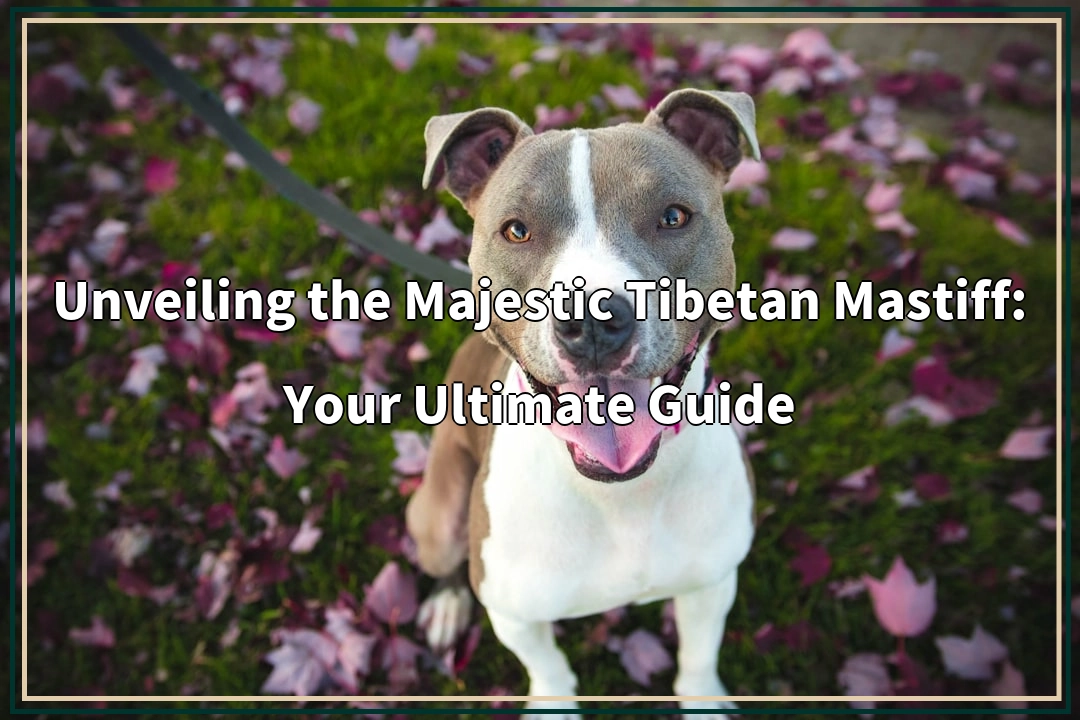
Discovering the Tibetan Mastiff: A Majestic Companion
The Tibetan Mastiff is a breed that captures the imagination with its impressive stature and rich history. Known for its loyalty and protective nature, this ancient breed has been a companion to nomadic cultures and a guardian of livestock for centuries. But what makes the Tibetan Mastiff so unique? This breed is not just a pet; it embodies a legacy that dates back over 3,000 years, originating from the high-altitude regions of Tibet. With its thick double coat and powerful build, the Tibetan Mastiff is often regarded as one of the most majestic dog breeds in the world.
Many people are drawn to the Tibetan Mastiff for its striking appearance and noble demeanor. However, potential owners should be aware that this breed requires a specific lifestyle and understanding to thrive. The Tibetan Mastiff is not just a dog; it is a commitment that involves understanding its needs, temperament, and the history that shapes its behavior. As we delve deeper into the characteristics and care of this remarkable breed, you will discover why the Tibetan Mastiff is more than just a pet; it is a loyal guardian and a beloved family member.
Understanding the Tibetan Mastiff: A Breed Overview
The Tibetan Mastiff, also known as Do-Khyi or the Tibetan Lion Dog, is a large and powerful breed that has been revered for its strength and protective instincts. Originating from the mountainous regions of Tibet, this breed was historically used by nomadic cultures to guard livestock and property against predators. The Tibetan Mastiff’s imposing size and formidable presence make it an excellent guardian, but it also requires a dedicated owner who can provide the right environment and training.
One of the most striking features of the Tibetan Mastiff is its thick, double coat, which serves as insulation against the harsh weather conditions of its native habitat. This coat can come in various colors, including black, brown, and gold, often with distinctive markings. The breed’s large head, strong jaws, and deep-set eyes contribute to its majestic appearance, making it a favorite among dog enthusiasts.
Historically, the Tibetan Mastiff has been associated with Tibetan Buddhism, where it was often kept by monks as a protector of monasteries. This breed’s loyalty and protective nature are deeply ingrained in its history, making it a revered companion in Tibetan culture. The Tibetan Mastiff’s temperament is often described as independent and strong-willed, which can pose challenges for first-time dog owners. However, with proper training and socialization, this breed can be a loving and devoted family member.
In terms of size, the Tibetan Mastiff is one of the largest dog breeds, with males typically weighing between 90 to 150 pounds and females ranging from 70 to 120 pounds. Their height can vary, but they generally stand between 24 to 30 inches at the shoulder. This impressive size, combined with their thick fur, gives them a commanding presence that can be both awe-inspiring and intimidating.
As a breed, Tibetan Mastiffs are known for their intelligence and strong instincts. They are naturally protective and can be wary of strangers, making them excellent watchdogs. However, this protective nature also means that they require early socialization and consistent training to ensure they are well-adjusted and comfortable in various situations. Without proper guidance, a Tibetan Mastiff can become overly territorial or aggressive, which is why understanding their behavior is crucial for potential owners.
In summary, the Tibetan Mastiff is a breed steeped in history and tradition, known for its loyalty, strength, and protective instincts. While they can make wonderful companions, they also require a dedicated owner who understands their unique needs and characteristics. As we continue to explore the Tibetan Mastiff in this guide, we will delve into their care requirements, health considerations, and what it truly means to live with this majestic breed.

Distinctive Traits of the Tibetan Mastiff
The Tibetan Mastiff is a breed that stands out not only for its impressive size but also for its unique characteristics that have evolved over centuries. Known for its majestic appearance, the Tibetan Mastiff has a robust and powerful build, making it one of the most formidable dog breeds in existence. This breed typically features a broad head, strong jaws, and a thick neck, all of which contribute to its commanding presence. The body is muscular and well-proportioned, with a deep chest and strong legs that allow for agility despite its size.
One of the most striking aspects of the Tibetan Mastiff is its luxurious double coat, which serves as insulation against the harsh climates of its native Tibet. The outer coat is long and coarse, while the undercoat is soft and dense, providing protection from extreme temperatures. This breed can come in a variety of colors, including black, brown, gold, and blue-gray, often with distinct markings that add to their unique charm. The coat requires regular grooming to prevent matting and to keep it healthy, especially during shedding seasons.
Temperamentally, Tibetan Mastiffs are known for their independence and strong-willed nature. They are intelligent dogs that require consistent training and socialization from an early age. This breed is naturally protective of its family and territory, making it an excellent watchdog. However, this protective instinct can sometimes lead to wariness of strangers, which is why early exposure to various people and environments is crucial. Proper training can help mitigate any aggressive tendencies and ensure that the dog is well-adjusted and sociable.
In terms of behavior, Tibetan Mastiffs are often described as aloof yet affectionate with their families. They tend to form strong bonds with their owners and can be quite loyal. However, they are not overly demanding of attention and may enjoy spending time alone. This independent streak can sometimes be mistaken for stubbornness, but it is essential to understand that they thrive on a balance of affection and autonomy.
As a breed that has historically been used for guarding livestock, the Tibetan Mastiff has a natural instinct to protect. This characteristic makes them excellent guardians for families and property, but it also means that they require a responsible owner who can provide clear boundaries and training. When socialized properly, Tibetan Mastiffs can coexist peacefully with other pets and children, making them a suitable choice for families willing to invest the time and effort into their upbringing.
Essential Care and Health for Tibetan Mastiffs
Caring for a Tibetan Mastiff involves understanding their specific health needs and dietary requirements. This breed is known for its strength and resilience, but like all dogs, they are prone to certain health issues that potential owners should be aware of. One of the most common health concerns in Tibetan Mastiffs is hip dysplasia, a genetic condition that affects the hip joint and can lead to arthritis and mobility issues. Regular veterinary check-ups and maintaining a healthy weight can help mitigate these risks.
Another health issue to consider is hypothyroidism, which can lead to weight gain, lethargy, and skin problems. Regular blood tests can help monitor thyroid levels and ensure that any issues are addressed promptly. Additionally, Tibetan Mastiffs are susceptible to certain skin conditions, particularly due to their thick coat. Keeping their coat clean and well-groomed can help prevent skin irritations and infections.
Diet plays a crucial role in the overall health of a Tibetan Mastiff. These dogs require a balanced diet that is rich in high-quality protein to support their muscular build. A diet formulated for large breeds is often recommended, as it will provide the necessary nutrients without excessive calories that could lead to obesity. Owners should consult with a veterinarian to determine the best feeding plan, which may include dry kibble or a combination of wet and dry food. It’s essential to monitor their food intake and adjust portions based on their activity level and age.
Hydration is equally important, especially for a breed that may be prone to certain health issues. Always ensure that fresh water is available, particularly during hot weather or after exercise. Regular exercise is also vital for maintaining a healthy weight and promoting overall well-being. Tibetan Mastiffs enjoy walks and playtime, but they should not be over-exercised, especially as puppies, to prevent joint issues.
In summary, caring for a Tibetan Mastiff requires a commitment to understanding their unique characteristics and health needs. By providing proper training, socialization, and a balanced diet, owners can ensure that their Tibetan Mastiff thrives as a loyal and loving companion. With the right care, this majestic breed can be a wonderful addition to any family, offering both protection and companionship.

Integrating the Tibetan Mastiff into Family Life
Bringing a Tibetan Mastiff into your home is an exciting journey that requires careful consideration of how this majestic breed interacts with family members, other pets, and the overall living environment. Known for their loyalty and protective instincts, Tibetan Mastiffs can form strong bonds with their families, often viewing themselves as guardians. This protective nature makes them excellent companions, especially for families with children, as they are naturally inclined to watch over their loved ones.
However, it’s essential to note that Tibetan Mastiffs are independent thinkers and can exhibit a strong will. This trait means that while they are affectionate, they may not always be eager to please like some other breeds. Early socialization and consistent training are crucial in helping them understand their role within the family dynamic. When properly trained, they can coexist peacefully with children, providing a sense of security and companionship. That said, supervision is necessary, especially with younger children, to ensure interactions are safe and respectful.
When it comes to living with other pets, Tibetan Mastiffs can be selective. Their guarding instincts may make them wary of unfamiliar animals, particularly smaller pets. Introducing a Tibetan Mastiff to other pets should be done gradually and with caution. Positive reinforcement during these introductions can help foster a harmonious relationship. Socialization from a young age can significantly impact how they perceive other animals, so early exposure to various pets and environments is key.
Activity needs for a Tibetan Mastiff are moderate to high, requiring a balance of physical and mental stimulation. While they are not as hyperactive as some breeds, they do enjoy regular exercise. Daily walks, play sessions, and mental challenges such as obedience training or puzzle toys can help keep them engaged. Tibetan Mastiffs thrive in environments where they have space to roam and explore, making them well-suited for homes with large yards. However, apartment living is possible if they receive adequate exercise and mental stimulation.
It’s also essential to consider the breed’s climate tolerance. Tibetan Mastiffs are built for cold climates due to their thick double coats. In warmer regions, special attention must be paid to ensure they do not overheat, particularly during summer months. Providing ample shade and fresh water, as well as limiting strenuous activities during peak heat, can help keep your Tibetan Mastiff comfortable and healthy.
Common Inquiries About Tibetan Mastiffs
As potential owners explore the idea of welcoming a Tibetan Mastiff into their homes, they often have many questions regarding this breed. Here are some of the most frequently asked questions to help guide your decision-making process.
1. Are Tibetan Mastiffs good family pets?
Yes, Tibetan Mastiffs can be excellent family pets when properly trained and socialized. They are loyal and protective, making them great companions for families. However, early socialization and consistent training are crucial to ensure they are well-adjusted and comfortable with all family members, including children and other pets.
2. How much exercise does a Tibetan Mastiff need?
Tibetan Mastiffs require regular exercise to stay healthy and happy. Daily walks, playtime, and mental stimulation through training or interactive toys are essential. While they are not as high-energy as some breeds, they still need a good amount of physical activity to prevent boredom and maintain their health.
3. What are the common health issues associated with Tibetan Mastiffs?
Common health concerns for Tibetan Mastiffs include hip dysplasia, hypothyroidism, and certain skin conditions. Regular veterinary check-ups, a balanced diet, and proper exercise can help mitigate these risks. It’s essential to choose a reputable breeder who screens for genetic health issues to ensure you are getting a healthy puppy.
4. How do I groom a Tibetan Mastiff?
The thick double coat of a Tibetan Mastiff requires regular grooming to prevent matting and to keep it healthy. Brushing at least once a week is recommended, with more frequent grooming during shedding seasons. Bathing should be done as needed, but over-bathing can strip their coat of natural oils.
5. Are Tibetan Mastiffs suitable for apartment living?
While Tibetan Mastiffs can adapt to apartment living, they require sufficient exercise and mental stimulation to thrive. Ideally, they should have access to a yard or open space where they can roam and explore. If living in an apartment, ensure that you are committed to providing daily exercise and mental challenges to keep them content.
6. How do I train a Tibetan Mastiff?
Training a Tibetan Mastiff requires patience, consistency, and positive reinforcement. Early socialization and obedience training are crucial to ensure they develop into well-mannered companions. Utilizing treats and praise can motivate them, and establishing a routine can help reinforce desired behaviors.
In summary, understanding the unique traits and care requirements of Tibetan Mastiffs is essential for anyone considering this majestic breed. With the right environment, training, and socialization, a Tibetan Mastiff can be a loyal and loving addition to your family.
