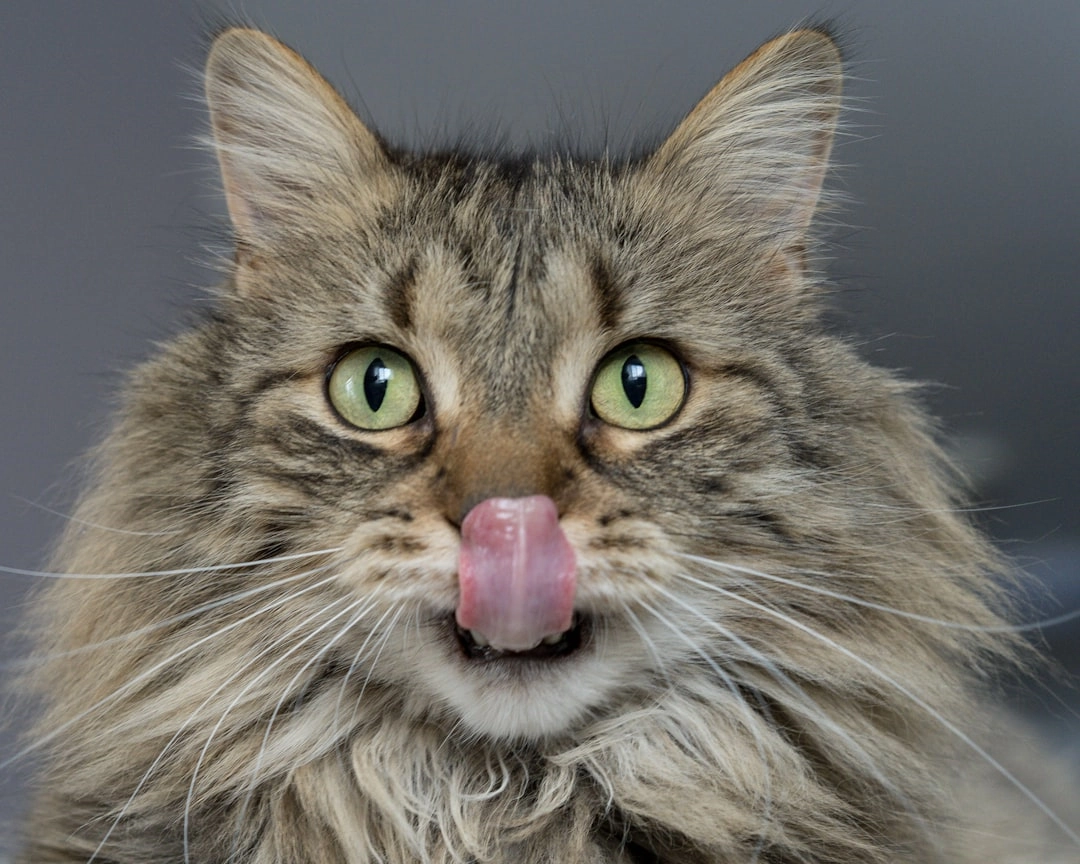
Unraveling the Mystery of Your Cat’s Mood Swings
Have you ever noticed your cat suddenly shifting from a playful, affectionate companion to a distant, aloof creature in the blink of an eye? This puzzling behavior can leave many cat owners scratching their heads, wondering what could possibly trigger such drastic mood changes. Understanding your feline friend’s emotional landscape is crucial for fostering a harmonious relationship and ensuring their well-being. In this exploration of cat behavior, we will delve into the reasons behind these sudden mood swings, providing insights that can help you decode your cat’s emotional signals.
Interestingly, cats are known for their complex emotional lives, which can often mirror those of humans. Just like us, they experience a range of feelings, from joy and excitement to anxiety and frustration. A study published in the Journal of Veterinary Behavior highlights that cats can exhibit mood changes based on various factors, including environmental stimuli, health issues, and social interactions. By recognizing these triggers, you can better understand your cat’s behavior and respond appropriately.
Moreover, cats are creatures of habit, and any disruption to their routine can lead to noticeable mood shifts. Whether it’s a change in their feeding schedule, the introduction of a new pet, or even a shift in your own emotional state, these factors can significantly impact your cat’s mood. Understanding these nuances is essential for any cat owner who wishes to create a stable and loving environment for their furry friend.
Decoding Feline Emotions: The Basics of Cat Behavior
To truly understand your cat’s sudden mood changes, it’s essential to grasp the basics of feline psychology. Cats are instinctual animals, and their behaviors are often rooted in their evolutionary history. For instance, a cat’s natural instincts drive them to hunt, explore, and establish territory. These behaviors can manifest in various ways, such as stalking toys, climbing to high perches, or marking their territory with scent. Recognizing these instinctual behaviors can help you interpret your cat’s mood and actions more accurately.
Common behaviors that cats exhibit can provide valuable insights into their emotional state. For example, purring is often associated with contentment, but it can also indicate discomfort or anxiety in certain situations. Similarly, kneading—where a cat rhythmically pushes their paws against a soft surface—can signify comfort and affection, harkening back to their kittenhood when they kneaded their mother’s belly to stimulate milk flow. Understanding these behaviors can help you respond to your cat’s needs more effectively.
Scratching is another common behavior that can be perplexing for cat owners. While it may seem destructive, scratching serves several purposes for cats. It helps them maintain their claws, stretch their muscles, and mark their territory. Providing appropriate scratching posts and surfaces can help mitigate any negative feelings associated with this behavior, ensuring your cat feels secure and content in their environment.
Moreover, breed-specific behaviors can also play a significant role in understanding your cat’s mood swings. Different breeds have unique temperaments and tendencies that can influence their emotional responses. For instance, Siamese cats are known for their vocal nature and strong attachment to their owners, while Maine Coons are often more laid-back and independent. By recognizing these breed-specific traits, you can tailor your approach to better suit your cat’s personality and emotional needs.
In addition to instinctual and breed-specific behaviors, environmental factors can also impact your cat’s mood. Changes in their surroundings, such as moving to a new home or introducing new pets, can lead to stress and anxiety. Cats are sensitive creatures, and their emotional well-being is closely tied to their environment. Providing a safe, enriching space for your cat can help alleviate stress and promote positive mood regulation.
Furthermore, health issues can significantly affect your cat’s behavior and mood. Cats are masters at hiding discomfort, so subtle changes in their behavior can be indicative of underlying health problems. If you notice persistent mood swings or changes in appetite, litter box habits, or grooming behavior, it’s essential to consult with a veterinarian to rule out any medical concerns.
Ultimately, understanding your cat’s sudden mood changes requires a holistic approach that considers their instincts, behaviors, and environmental factors. By paying close attention to your feline friend’s emotional signals and responding with empathy and care, you can foster a deeper bond and create a nurturing environment that supports their well-being.
The Art of Training Your Cat: A Key to Happy Living
Training your cat is not just a means to teach specific commands or tricks; it is a fundamental part of their development and an invaluable way to create a positive bond between you and your feline friend. In understanding the nuances of cat behavior, it becomes evident that effective training can greatly enhance the emotional and social well-being of your pet. The better you understand and communicate with your cat, the more enjoyable and fulfilling your shared life becomes. By developing your training skills, you not only facilitate better interactions with your pet but also engage in an enriching experience that helps satisfy their natural instincts.
One essential aspect to bear in mind is that cats learn differently than dogs. Whereas dogs may thrive in structured training sessions led by their owner, cats are often more independent thinkers and may not respond the same way to typical commands. Therefore, employing positive reinforcement techniques is a practical and effective strategy for cat training. This approach encourages desired behavior through rewards such as treats, affection, or play. Each cat’s individuality suggests varying speeds and eagerness when it comes to learning, and this individuality requires tailoring training techniques to suit each cat’s personality and motivations.
For many owners, a cat’s occasional clumsiness might lead to frustration, but it’s vital to acknowledge that any undesired action likely results from misunderstanding or miscommunication between you and your pet. Factors such as health, environment, and daily routines can impact behavior. Focusing on these cues and being patient in your training process reinforces your relationship with your cat while helping them assimilate more seamlessly into their home life. Initiating this interaction is an opportunity to get to know your pet intimately through observance.
One practical step in ensuring a harmonious life with your pet is establishing basic commands or rules from the start. Introduce clear rules, such as using a specific area for litter, training your cat where to scratch or not to jump on countertops. Setting boundaries early on not only guides your cat on suitable behavior but also enriches their living experience. Couches have scratch posts, windows allow engaging with the outside, and your attention might help them visualize a small landmark—they can thrive within these confines while enjoying your company even when working to improve unwarranted tendencies.
Understanding and Addressing Your Cat’s Behavioral Challenges
Behavioral challenges in cats can range from mild quirks to more concerning issues that affect day-to-day life. As a dedicated cat owner, understanding and addressing these behavioral challenges is paramount. Additionally, recognizing the difference between an inconvenient behavior and a genuinely concerning issue will affect how quickly you find resolutions and protect your household environment.
First, let’s outline some common behavioral concerns that might arise. One prevalent issue is inappropriate urination outside of their litter box, which may indicate stress, insecurity, or health issues. If your cat exhibits this kind of behavior, it is crucial to consult your veterinarian to rule out urinary infections or other medical issues before assuming it’s merely behavioral. Concurrently, behavioral stresses—like the introduction of new pets, a move, or sudden changes in their daily routine—can also result in anxiety or territorial marking, manifesting in inappropriate elimination as a cry for help to ensure their needs aren’t undermined.
Another common issue is destructive scratching—whether it’s furniture, carpet, or houseplants—that can prove challenging to rectify. Although it’s a natural behavior for cats, scratching is an instinct ingrained in their mental toolkit for keeping claws healthy and shedding old layers. Introducing appropriate scratching posts can help your cat channel their natural instincts productively. Using positive reinforcement to encourage scratching the post—like sharing treats or even redirecting play—is typically effective in rehabilitating these habits. Cats love variety, so varying the types of scratching posts by size, materials, or locations in your home can give your cat adequate places to engage with their instincts.
Additionally, sudden aggression—either toward you or other pets—can create discomfort in a living situation. Aggressive responses can stem from anxiety, redirected play behavior when overly stimulated, or a desire to defend themselves in a challenging atmosphere. In these situations, deciphering the underlying issue of aggression is necessary to foster a successful resolution. Implementing periods of separation between aggressor and defender or offering redirects from challenging interactions often calms domestic turmoil. A mutual structured return assists in resolving conflict amid these heightened behaviors.
Improvement takes time, making patience essential. Knowing that behavior reflects a cat’s experiences within their confines can help clarify that consistency is the mother of improvement. Moreover, behavior can and should improve, given persistent encouragement and communicative understanding. Documentation through logs can help you note your cat’s specific aggression triggers, historical ailments leading to harmful distractions, routines to elevate anxiety, and other documented concerns aiding understanding with monitored logs across duration. Whether you opt to find pro assistance alongside measurement, having open conversations about specificity with professionals can empower transitions home into accessible states of equilibrium.
If concerns remain after understanding common remedies, don’t hesitate to seek professional help. A certified animal behaviorist can deeply analyze interaction specifics and areas in dire need of extra attention. They might address issues based on learned research specifics honed upon behavior practices designed specifically tailored upon line correction remedied relationships based in instillation led calibration.
Whether you are tackling troublesome behavior through defined consequence alterations or welcoming modified teaching directions governed amidst trust boons reinstated, effectively addressing your pet’s emotional mood swings and ranging depths relating them instinctually delights observant owners committed to secure fidelity and combat routines ensuring loyalty among joyfully enhancing spirits as connectable unconditional counterparts toward pathways before longevity spanned over fragile areas confronting feline sensitivities pressed utterly within fine bespoke attachment coned traces reaching increased synergies

Enhancing Your Cat’s Life: The Role of Play and Enrichment
Engaging your cat in regular play and providing enriching activities are vital components in promoting their mental and physical well-being. Cats, by nature, are instinctual hunters and explorers, and allowing them to express these behaviors through play is crucial in preventing behavioral issues. Without sufficient mental and physical stimulation, cats can become bored, leading to destructive behaviors or sudden mood swings that can leave owners perplexed.
Enrichment can take many forms, including interactive toys, puzzle feeders, and even simple household items that can stimulate your cat’s curiosity. For example, toys that mimic the movements of prey, such as feather wands or laser pointers, can trigger a cat’s hunting instincts, providing them with a healthy outlet for their energy. Regular play sessions can not only help to satisfy their natural instincts but also strengthen the bond between you and your feline friend.
Physical stimulation is equally important. Regular exercise helps maintain a healthy weight, supports cardiovascular health, and promotes overall fitness. Cats that engage in daily play are less likely to experience obesity-related health issues, which can lead to further complications such as diabetes or joint problems. Additionally, physical activity can alleviate stress and anxiety, which are often at the root of sudden mood swings. A well-exercised cat is a happy cat, making it essential for owners to incorporate playtime into their daily routines.
In addition to physical and mental stimulation, providing environmental enrichment can greatly enhance your cat’s quality of life. This can include scratching posts, climbing structures, and cozy hiding spots that allow them to explore their surroundings at their own pace. Vertical spaces are particularly important for cats, as they offer them a sense of security and a vantage point from which to observe their environment. By creating an enriched environment, you can encourage your cat to engage in natural behaviors, reducing the likelihood of stress-induced mood changes.
Moreover, social interaction is an important aspect of enrichment. Cats are social animals and thrive on interaction with their owners or other pets. Engaging in play together not only fulfills their physical needs but also provides emotional fulfillment. Regularly scheduled playtime, combined with spontaneous interactions throughout the day, helps reinforce your bond and makes your cat feel more secure in their environment.
Ultimately, the key to a well-adjusted and happy cat lies in providing ample opportunities for enrichment and play. By understanding your cat’s needs and offering a variety of stimulating activities, you can help prevent behavioral issues and support their overall emotional well-being. When cats feel fulfilled both mentally and physically, they are less likely to exhibit sudden mood swings, allowing for a more harmonious household.
Clearing Up Myths: Frequently Asked Questions About Cat Behavior
As cat owners, we often encounter various myths and misconceptions regarding our feline friends, especially concerning their behavior and emotional well-being. Addressing these common questions can help demystify some of the behaviors we observe in our cats and enable us to provide better care for them.
One prevalent misconception is that cats are solitary animals that do not require companionship. While it is true that cats are more independent than some other pets, they are also social creatures that thrive on interaction with their owners and, in some cases, other pets. Many cats form strong bonds with their humans and enjoy spending time together, whether through play, grooming, or simply lounging nearby. It’s essential to recognize your cat’s social needs and engage with them regularly to foster a healthy relationship.
Another common question is whether sudden mood changes are indicative of a behavioral problem. While it is true that cats can experience mood swings, these changes are often situational rather than a sign of a deeper issue. Environmental factors, changes in routine, or even your emotional state can affect your cat’s mood. Observing your cat’s behavior and identifying potential triggers can help you better understand their emotional landscape and respond accordingly.
Many cat owners also wonder if their cats can be trained like dogs. While training methods differ due to the inherent nature of cats, it is indeed possible to train them using positive reinforcement techniques. Cats can learn commands, tricks, and appropriate behaviors when motivated by rewards such as treats or praise. The key is to be patient and consistent, as cats may take longer to grasp certain concepts compared to dogs. Additionally, keep training sessions short and fun to maintain your cat’s interest.
Some owners mistakenly believe that declawing their cats is a harmless procedure. In reality, declawing is an invasive surgery that can lead to pain, behavioral issues, and a host of physical complications. Instead of declawing, it is advisable to provide appropriate scratching surfaces and engage in training to redirect your cat’s scratching behavior. This approach preserves your cat’s well-being while also protecting your furniture.
Lastly, a frequently asked question pertains to whether indoor cats experience mood swings or behavioral issues. Many owners worry that keeping their cats indoors might lead to boredom or frustration. While it is true that indoor cats may not have the same level of stimulation as outdoor cats, providing a rich environment filled with toys, climbing structures, and interactive play can significantly enhance their quality of life. Ensuring your indoor cat has plenty of opportunities for play and exploration can prevent mood swings and behavioral problems.
By addressing these common questions and misconceptions, cat owners can better understand their pets’ needs and behaviors. The more informed you are about your cat’s emotional landscape, the better equipped you’ll be to create a nurturing and fulfilling environment for your feline companion. With the right approach, you can help ensure that your cat enjoys a happy and healthy life, free from unnecessary mood swings and behavioral issues.
