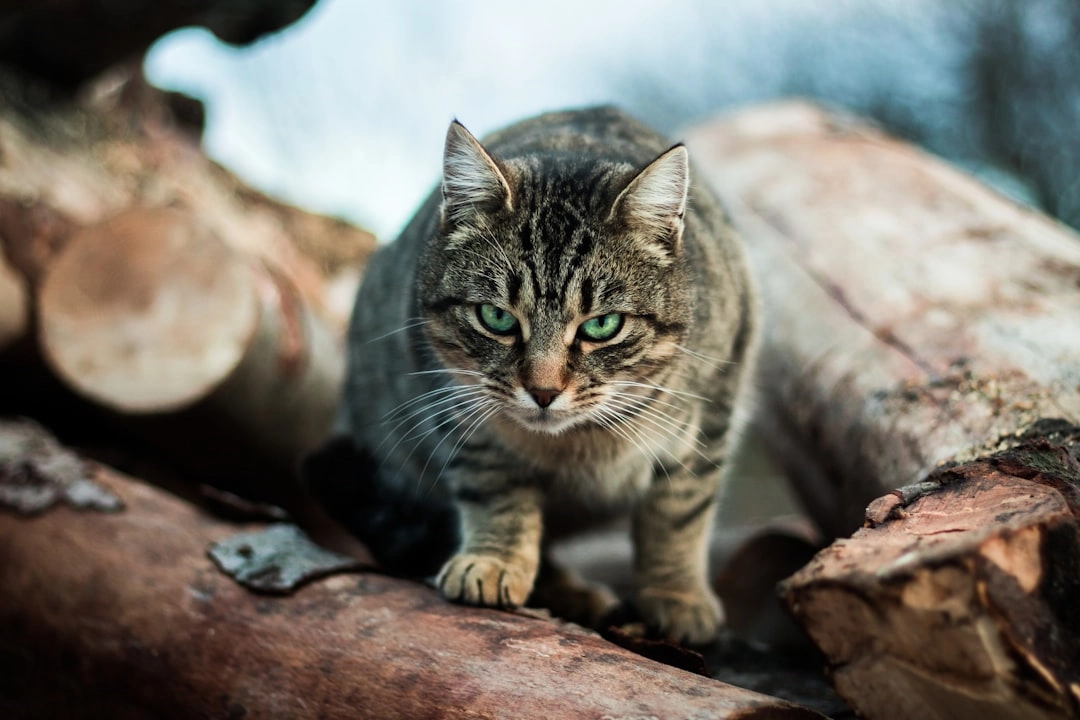
Unraveling Cat Stress: A Path to Healthier Felines
In the world of pet ownership, few topics are as crucial yet often overlooked as the stress levels of our feline companions. Did you know that stress can significantly impact a cat’s health, leading to various physical and behavioral issues? Just like humans, cats experience stress, and it can manifest in numerous ways, from changes in appetite to aggressive behavior. Understanding how to combat cat stress is essential for ensuring a happy and healthy life for your furry friend. This blog post will delve into effective strategies for managing stress in cats, focusing on their unique behaviors and needs.
Decoding Feline Behavior: Insights into Your Cat’s Mind
To effectively address stress in cats, it is vital to understand their natural instincts and behaviors. Cats are creatures of habit, and their behavior is often influenced by their environment, genetics, and past experiences. By gaining insight into feline psychology, pet owners can better recognize signs of stress and implement strategies to alleviate it.
One of the most common behaviors exhibited by cats is purring. While many people associate purring with contentment, it can also indicate stress or discomfort. Cats may purr when they are anxious or in pain, using the sound as a self-soothing mechanism. Therefore, it is essential to observe the context in which your cat is purring to determine its emotional state.
Kneading is another behavior that many cat owners find endearing. This action, where a cat pushes its paws in and out against a soft surface, is often a remnant of kittenhood when they kneaded their mother’s belly to stimulate milk flow. Adult cats may knead when they feel safe and comfortable, but it can also be a sign of stress relief. Providing a safe and cozy environment can encourage this behavior, helping to reduce anxiety.
Scratching is a natural instinct for cats, serving multiple purposes, including marking territory, sharpening claws, and stretching muscles. However, when a cat scratches furniture or other inappropriate items, it can be a sign of stress or boredom. Providing designated scratching posts and engaging your cat in regular play can help redirect this behavior and alleviate stress.
Understanding breed-specific behaviors is also crucial in addressing cat stress. Different breeds have unique temperaments and tendencies that can influence their stress levels. For example, Siamese cats are known for their vocal nature and social needs, while Maine Coons are often more laid-back and independent. Recognizing these traits can help owners tailor their approach to managing stress effectively.
Environmental factors play a significant role in a cat’s stress levels. Cats are territorial animals, and changes in their surroundings can lead to anxiety. Introducing new pets, moving to a new home, or even rearranging furniture can disrupt a cat’s sense of security. To mitigate stress, it is essential to create a stable and predictable environment for your cat. This includes providing safe spaces, such as cozy hiding spots or elevated perches, where they can retreat when feeling overwhelmed.
Additionally, socialization is a critical aspect of feline behavior. While some cats are naturally more social than others, all cats benefit from positive interactions with their human companions. Engaging in regular playtime, offering treats, and providing affection can strengthen the bond between you and your cat, helping to reduce stress levels. However, it is essential to respect your cat’s boundaries and allow them to initiate interactions on their terms.
In conclusion, understanding feline behavior is key to addressing stress-induced illness in cats. By recognizing the signs of stress and implementing effective strategies, pet owners can create a nurturing environment that promotes their cat’s well-being. From decoding common behaviors to considering breed-specific traits, a comprehensive understanding of your cat’s psychology will empower you to combat stress and enhance their quality of life.
Empowering Your Cat: The Importance of Feline Training
Training your cat may initially seem like a daunting task, yet it holds immense benefits not only for your feline but also for you as a pet owner. One might assume that training is solely reserved for dogs, but in reality, cats thrive on mental stimulation and engage more readily when they find learning gratifying. Comprehending the significance of feline training can transform your relationship and empower your cat to express its natural behaviors, easing stress and anxiety.
Positive reinforcement lies at the heart of effective cat training. By rewarding desirable behavior with treats, affection, or play, you create a pleasant learning environment that encourages your pet to repeat that behavior. Unlike negative reinforcement, which may induce fear or anxiety, a rewarding approach produces a trusting atmosphere and lays the foundation for a successful bond between you and your cat.
A pivotal aspect of the training process revolves around patience and consistency. Cats have varied learning paces, and some may take longer than others to grasp concepts. By being patient and employing repeat training sessions, you build a supportive framework for your cat’s learning journey. Consistency with cues and rewards is essential, as it prevents confusion and ensures that your feline will make positive associations with the commands being taught.
One effective strategy is breaking down commands into manageable steps. Instead of expecting your cat to perform a complex trick immediately, begin with simpler exercises such as sit or high-five. Reinforcing each achieved goal rewards your cat incrementally, instilling confidence while reinforcing positive behavior over time. Focusing on building a deeper understanding enhances the training experience, creating an enjoyable endeavor for both pet and owner.
Utilizing an enticing training routine can evoke curiosity from your feline as well. Play-based methods, engaging activities, or incorporating toys creates an exciting routine that mesmerizes them while establishing consistent communication between you and your pet. Adding movement through objects or environmental enrichment activates your cat’s innate instincts, making training both rewarding and less stressful.
Throughout the training process, observing and recognizing signals from your cat is essential. Felines express their emotions through body language, and noticing stress-related cues is imperative. While engagement during training should be your primary focus, ensuring a comfortable training setting allows you to adapt when your cat displays any indication of discomfort. Integrating mini breaks into the sessions prevents overwhelming feelings and maintains mental stimulation while simultaneously keeping training enjoyable and stress-free.
Navigating Cat Behavior: Addressing Common Concerns
Behavioral issues can plague many pet owners, but it’s essential to recognize them as an opportunity for better understanding and resolution. Stress-induced challenges are among the most prevalent; observing significant shifts in behavior may indicate your cat is stressed or overwhelmed. Common symptoms may range from social withdrawal, increased aggression, litter box avoidance, to excessive grooming, none of which should be dismissed lightly. Effectively addressing these behaviors mitigates the risk of stress-related health concerns and nurtures a happier environment.
To tackle these behavioral issues, identification is the first critical step. Understanding specific triggers that may contribute to heightened anxiety can help shed light on the behaviors exhibited by your feline. For instance, sudden noises, presence of unfamiliar animals, changes in household routines, and other environmental disturbances can dramatically affect your cat’s peace of mind. Taking note of such stressors can better inform preventive strategies to diminish anxiety episodes or challenging behavior.
Once specific triggers are determined, immediate strategies need to come into play. Creating a safe space in your home where your cat can retreat will reduce anxiety in many situations. Set up cozy beds, hideaways, and suitable litter boxes in locations where your pet can find solace—free from overwhelming stimuli.
If basic adjustments in environment don’t diminish concerning behavior, it’s imperative to find alternative coping mechanisms or enrichments that safely soothe your cat. Introducing playful exercises that engage your cat’s mind can serve as a terrific distraction. Puzzles, treat-dispensing toys, or interactive games reinforce feelings of security and lift stress while providing a chance to explore their instincts further.
Furthermore, training techniques can assist in counterconditioning adverse behaviors that sometimes trigger responses. Cats that develop aggressive tendencies toward strange noises or new guests can benefit from desensitization. A controlled introduction to stressors through rewarding soft measures allows for coping mechanisms over time, fostering interactions gradually under careful supervision.
As for finding success without continual interventions or reformation on your own, professional guidance should always be considered. Especially when entrenched patterns emerge, reaching out to a veterinary behaviorist can provide tailored methodologies designed to specifically cater to your individual cat’s temperament. Experts will help explore complex issues and furnish comprehensive plans to reclaim the stability needed for promoting lasting changes.
To summarize, addressing behavioral issues requires us as cat owners to recognize the undeniable links between behavioral struggles and the rooted understanding of our feline’s psychology. By navigating their challenges through mindful training, elevating their need for security, providing suitable coping alternatives, and seeking guidance when necessary—pet owners achieve meaningful commitments to their cats’ wellness, bolstering relief amid discord.

Engaging Your Cat: The Vital Role of Enrichment and Play
Creating an engaging environment for your cat is crucial for their mental and physical well-being. Enrichment and play are not merely luxuries for cats; they are essential components that contribute to a stress-free and healthy life. Providing opportunities for both mental stimulation and physical activity helps prevent behavioral issues that can arise from boredom or lack of engagement. By incorporating enrichment into your cat’s daily routine, you can promote a happier, more balanced feline companion.
One of the primary reasons enrichment is vital for cats is that it mimics their natural instincts. Cats are hunters by nature, and their behavior is deeply rooted in the need to stalk, chase, and capture prey. Indoor cats, however, often lack the opportunities to express these instincts, which can lead to frustration and stress. By providing engaging activities that allow them to simulate hunting behaviors, you help fulfill their natural instincts, keeping them mentally stimulated and physically active.
Interactive toys are an excellent way to enrich your cat’s environment. These toys can range from feather wands to laser pointers, allowing your cat to engage in play that mimics the thrill of the hunt. Rotating toys regularly keeps their interest piqued and ensures they remain engaged. Moreover, puzzle feeders can challenge your cat mentally while providing a rewarding experience as they work to retrieve their food or treats. Such activities stimulate their cognitive functions and reduce the likelihood of behavioral issues stemming from boredom.
Another important aspect of enrichment is the creation of a dynamic environment. Cats are curious creatures, and introducing new elements into their surroundings can provide a fresh perspective. This can include new climbing structures, scratching posts, or even simple items like cardboard boxes and paper bags. Providing vertical spaces for climbing not only satisfies their curiosity but also encourages exercise, promoting physical health while offering them a sense of security and territory.
Additionally, social interaction is an essential form of enrichment for many cats. While some cats are more independent, others thrive on companionship, whether from their human family members or other pets. Engaging in regular playtime, petting, and gentle interactions can help strengthen the bond between you and your cat, contributing to their overall happiness and well-being. For multi-cat households, observing social dynamics and ensuring all cats receive attention can help prevent jealousy and stress-related behaviors.
Establishing a routine that includes regular playtime and exploration will help your cat understand that their needs are being met. Cats often find comfort in routine, which can reduce anxiety levels. Incorporating short play sessions multiple times throughout the day allows your cat to expend energy and engage in natural behaviors, keeping them content and healthy.
Debunking Myths: Common Misunderstandings About Cat Stress
As a pet owner, it’s important to be well-informed about the nuances of feline behavior, particularly regarding stress. Many misconceptions exist that can hinder our understanding of how to support our cats effectively. By addressing these myths, we can foster a healthier relationship with our feline companions and better manage their stress levels.
One prevalent myth is that cats are solitary animals and do not require social interaction. While it’s true that cats can be independent, they are also social creatures that benefit from companionship. Lack of social interaction can lead to stress and anxiety, manifesting in various behavioral issues. It’s crucial to spend quality time with your cat, engage them in play, and offer affection to ensure they feel secure and valued.
Another common misconception is that cats will naturally self-regulate their play and exercise needs. While some cats may engage in self-play, many will not, especially if they are feeling stressed or anxious. It’s essential for owners to take an active role in their cat’s enrichment by providing interactive toys, playtime, and a stimulating environment. Without these elements, cats may become bored or develop destructive behaviors as a way to cope with their frustration.
Many pet owners also believe that if a cat is not showing overt signs of stress, then they are perfectly fine. However, stress can manifest in subtle ways that may not be immediately apparent. Changes in appetite, litter box habits, grooming behavior, or even a cat’s general demeanor can indicate underlying stress. Regularly monitoring your cat’s behavior and health is crucial for early detection of any issues.
Some individuals may think that a cat’s behavior is immutable; that they cannot change once they develop certain habits. This is far from the truth. With patience, understanding, and appropriate training methods, many behavioral issues can be modified. For example, if a cat is exhibiting signs of aggression or fear, addressing the underlying cause through gradual exposure and positive reinforcement can lead to significant improvements.
Lastly, a common misconception is that all cats dislike water and will never enjoy bathing. While many cats do prefer to stay dry, some breeds, such as the Maine Coon or Abyssinian, are known to enjoy water play. Furthermore, introducing water in a positive and gradual manner can help alleviate fear and even encourage some cats to enjoy water-related activities. It’s essential to respect each cat’s individual preferences while understanding that exposure and experience can influence their comfort level.
By debunking these common myths, cat owners can take a more informed approach to managing their feline’s stress and overall well-being. Recognizing the importance of social interaction, enrichment, and addressing behavioral issues head-on fosters a healthier environment for your beloved companion. Ultimately, understanding your cat’s unique needs and behaviors will pave the way for a stronger bond and a happier, stress-free life.
