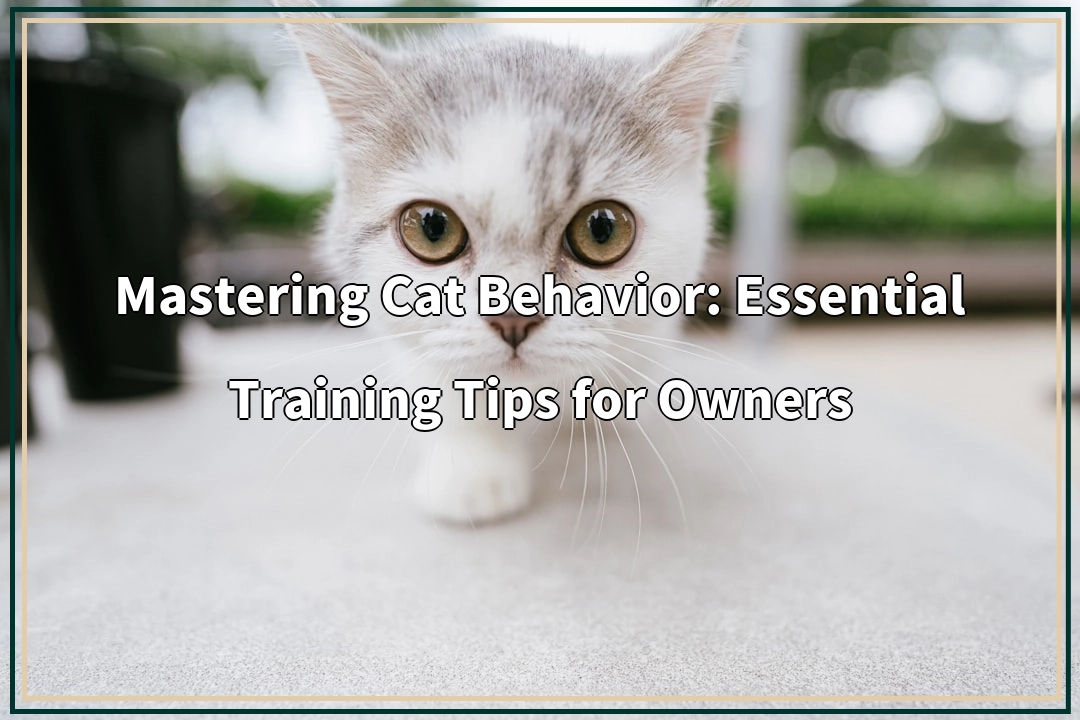
Understanding Cat Behavior: The Key to Effective Training
When it comes to our feline friends, understanding their behavior is crucial for effective training. Many cat owners often find themselves puzzled by their pets’ actions, leading to frustration and confusion. Did you know that cats have a unique way of communicating that is often misunderstood? For instance, a slow blink from your cat can signify trust and affection, while a twitching tail may indicate agitation or excitement. By mastering cat behavior, you can create a harmonious living environment and strengthen the bond between you and your furry companion.
Exploring Cat Behavioral Training Basics
Cat behavioral training is an essential aspect of responsible pet ownership. It involves understanding the natural instincts and behaviors of cats to guide them in a way that promotes positive interactions and reduces unwanted behaviors. Unlike dogs, cats are often seen as more independent and less trainable, but this is a misconception. With the right techniques and patience, you can teach your cat various commands, tricks, and even how to use the litter box effectively.
The origins of cat training can be traced back to the domestication of cats thousands of years ago. Initially, cats were valued for their hunting skills, helping to control rodent populations in agricultural societies. Over time, as they became companions to humans, their behaviors evolved, leading to the need for training methods that cater to their unique characteristics. Understanding these historical contexts can provide insight into why certain training techniques work better than others.
One of the fundamental aspects of cat behavioral training is recognizing that cats respond best to positive reinforcement. This means rewarding desired behaviors rather than punishing unwanted ones. For example, if your cat uses the scratching post instead of the furniture, offering a treat or praise can reinforce that behavior. This approach not only encourages good habits but also fosters a trusting relationship between you and your cat.
Additionally, it’s important to consider the individual personality of your cat. Just like humans, each cat has its own temperament and preferences. Some may be more eager to learn, while others might be more aloof. Tailoring your training methods to suit your cat’s personality can significantly enhance the effectiveness of your efforts. For instance, a more playful cat may respond well to interactive toys during training sessions, while a shy cat might prefer a quieter environment with less distraction.
Moreover, understanding feline body language is crucial in the training process. Cats communicate through a combination of vocalizations, body posture, and facial expressions. By learning to interpret these signals, you can better understand your cat’s mood and adjust your training techniques accordingly. For example, if your cat is hissing or swatting, it may be feeling threatened or uncomfortable, indicating that it’s time to take a step back and reassess the situation.
In conclusion, mastering cat behavior is not just about teaching tricks; it’s about building a strong, respectful relationship with your pet. By employing positive reinforcement techniques, understanding your cat’s unique personality, and recognizing their body language, you can create a training environment that is both effective and enjoyable for both you and your feline companion. As you embark on this journey of cat behavioral training, remember that patience and consistency are key to achieving lasting results.

Understanding Feline Traits: The Key to Training Success
When it comes to training cats, understanding their unique characteristics is essential. Cats are fascinating creatures with a wide range of behaviors that can be both endearing and perplexing. The term “feline” originates from the Latin word “felinus,” which means “of a cat.” This linguistic root highlights the connection between language and the animal’s nature. Over time, the understanding of feline behavior has evolved, revealing the complexities of their social structures, communication methods, and instinctual drives.
One of the most notable characteristics of cats is their independence. Unlike dogs, which have been bred for companionship and obedience, cats have retained much of their wild instincts. This independence can sometimes be mistaken for aloofness, but it is essential to recognize that cats can form strong bonds with their owners. They often display affection through subtle gestures, such as head-butting, purring, and kneading. Understanding these signs of affection can help owners foster a deeper connection with their feline companions.
Another important trait of cats is their territorial nature. Cats are instinctively territorial animals, and they often establish their own space within the home. This behavior can manifest in various ways, such as marking territory with scent glands or displaying aggression towards unfamiliar animals. Training a cat to respect boundaries, both within the home and in relation to other pets, is crucial for maintaining harmony in a multi-pet household.
Additionally, cats are known for their grooming habits. They spend a significant portion of their day grooming themselves, which serves multiple purposes, including maintaining cleanliness, regulating body temperature, and providing comfort. This self-grooming behavior can also be a sign of stress or anxiety, so it’s essential for owners to monitor their cat’s grooming habits and seek veterinary advice if there are sudden changes.
Moreover, cats are natural hunters, and their play behavior often mimics hunting techniques. Engaging in interactive play with your cat not only provides physical exercise but also stimulates their mental faculties. Understanding the predatory instincts of cats can help owners choose appropriate toys and activities that cater to their hunting instincts, ultimately enhancing their training experience.
Optimal Feline Care: Nutrition and Health Essentials
Providing proper care for your cat involves understanding their dietary needs and addressing potential health concerns. Cats are obligate carnivores, meaning their diet must primarily consist of meat. This dietary requirement stems from their evolutionary history as hunters, where they relied on protein-rich prey for sustenance. A balanced diet for cats should include high-quality protein sources, essential fatty acids, vitamins, and minerals to support their overall health.
When selecting cat food, it’s important to choose a high-quality commercial diet that meets the nutritional standards set by organizations such as the Association of American Feed Control Officials (AAFCO). Look for foods that list real meat as the primary ingredient and avoid those with excessive fillers or artificial additives. Additionally, providing fresh water at all times is crucial for maintaining hydration, especially if your cat consumes dry kibble.
Common health concerns for cats include obesity, dental issues, and chronic conditions such as diabetes and kidney disease. Obesity is a growing problem among domestic cats, often resulting from overfeeding and lack of exercise. To prevent obesity, it’s essential to monitor your cat’s weight and adjust their food intake accordingly. Regular playtime and interactive toys can help keep your cat active and engaged.
Dental health is another critical aspect of feline care. Cats are prone to dental diseases, which can lead to pain and other health complications. Regular dental check-ups and at-home dental care, such as brushing your cat’s teeth or providing dental treats, can help maintain oral health.
Furthermore, routine veterinary check-ups are vital for early detection of health issues. Regular vaccinations, parasite control, and wellness exams can help ensure your cat remains healthy throughout their life. As cats age, they may develop specific health concerns, so being aware of the signs of aging and adjusting their care accordingly is essential for their well-being.
In summary, understanding the unique characteristics of cats and providing optimal care through proper nutrition and health management is crucial for successful training and a happy, healthy feline companion. By recognizing their instincts and needs, you can create an environment that fosters positive behaviors and strengthens the bond between you and your cat.

Coexisting with Your Feline Companion: A Guide to Life with Cats
Living with a cat can be a rewarding experience, but it comes with its own set of challenges and considerations. Understanding how your feline friend interacts with families, other pets, and their environment is crucial for fostering a harmonious home. Cats are known for their unique personalities, and each one can have varying levels of compatibility with different living situations.
When it comes to families, cats can be wonderful companions for children. Many cats are naturally curious and playful, making them suitable for homes with kids. However, it is essential to choose a cat with a temperament that matches your family’s lifestyle. Some breeds are known for being more tolerant and social, while others may prefer solitude or have a more reserved nature. Introducing a cat to a family setting requires supervision, especially with young children, to ensure that both the cat and the child feel safe and comfortable.
Additionally, the compatibility of cats with other pets in the household is another factor to consider. While some cats may get along well with dogs or other cats, others may be more territorial and resistant to sharing their space. Gradual introductions and providing separate spaces for each pet can help ease tensions and foster a peaceful coexistence. Understanding your cat’s body language and behaviors can provide valuable insights into their comfort levels with other animals.
Activity needs are another important aspect of living with a cat. Cats have varying energy levels, and understanding these needs is essential for their well-being. While some breeds, such as the Abyssinian or Bengal, are highly active and require plenty of stimulation and playtime, others may be more laid-back and content with lounging around the house. Providing a variety of toys, scratching posts, and interactive play sessions can help keep your cat mentally and physically stimulated.
Creating an enriching environment for your cat is key to their happiness. Cats are natural explorers, and they enjoy climbing and observing their surroundings from elevated positions. Cat trees, shelves, and window perches can provide your feline friend with the opportunity to explore and satisfy their curiosity. Engaging in playtime that mimics hunting behaviors, such as using feather wands or laser pointers, can also provide essential exercise and mental stimulation.
Your Cat Questions Answered: Insights and Advice
As a cat owner, you may have numerous questions regarding your feline companion’s behavior, care, and training. Here are some frequently asked questions that can help you better understand and nurture your cat.
1. How can I effectively train my cat?
Training a cat requires patience and consistency. Use positive reinforcement techniques, such as treats or praise, to reward desired behaviors. Start with simple commands, like “sit” or “come,” and gradually introduce more complex tasks. Remember that cats respond better to short, engaging training sessions.
2. What should I do if my cat is scratching furniture?
Scratching is a natural behavior for cats. To redirect this behavior, provide scratching posts or pads that are more appealing than your furniture. Encourage your cat to use these alternatives by placing them in areas where your cat frequently scratches and using catnip to attract them.
3. How often should I play with my cat?
It’s recommended to engage your cat in playtime for at least 15-30 minutes each day. However, some cats may require more playtime, especially if they are high-energy breeds. Monitor your cat’s activity levels and adjust playtime accordingly to keep them physically and mentally stimulated.
4. Why is my cat grooming excessively?
Excessive grooming can be a sign of stress, anxiety, or skin issues. If you notice your cat grooming more than usual or developing bald patches, consult your veterinarian to rule out any underlying health concerns.
5. How can I introduce a new cat to my home?
Introducing a new cat to your home should be done gradually. Start by keeping the new cat in a separate room with its own food, litter box, and toys. Allow them to get accustomed to their new environment before introducing them to your resident cat. Gradually allow supervised interactions to help them adjust to each other.
By addressing these common questions, you can create a supportive and understanding environment for your cat, enhancing your relationship and ensuring their well-being. Living with a cat is a journey filled with learning, patience, and love, and by mastering their behavior and needs, you can enjoy a fulfilling companionship with your feline friend.
