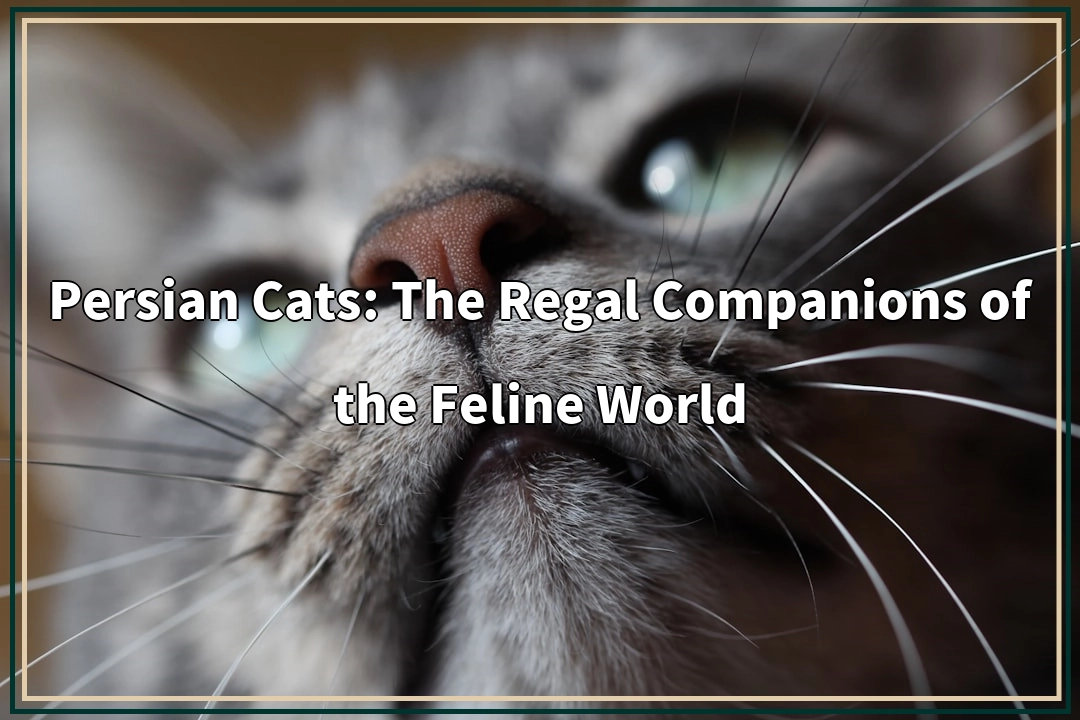
Discovering the Allure of Persian Cats
When it comes to feline companions, few breeds evoke as much admiration and affection as the Persian cat. Known for their luxurious coats, distinctive round faces, and gentle personalities, Persian cats have captured the hearts of cat lovers around the globe. But what is it about these regal creatures that makes them so special? Perhaps it’s their rich history, their unique characteristics, or their charming demeanor that draws people in. In this exploration of Persian cats, we will delve into their fascinating origins, distinctive traits, and the care they require to thrive as beloved pets.
Understanding the Persian Cat Breed
The Persian cat, often referred to as the Persian Longhair, is a long-haired breed characterized by its round face and short muzzle. This breed is one of the oldest and most recognizable cat breeds in the world, with a lineage that can be traced back to the 1600s. While the exact origins of the Persian cat are somewhat murky, it is widely believed that they were brought to Europe from Persia (modern-day Iran) and Afghanistan. The breed gained popularity in the 19th century, particularly in England, where they were embraced by cat fanciers and breeders.
Persian cats are known for their striking appearance, which includes a broad, rounded head, short nose, and large, expressive eyes. Their coats are long and luxurious, requiring regular grooming to prevent matting and tangles. The breed comes in a variety of colors and patterns, ranging from solid hues to intricate tabby markings. This diversity in appearance has contributed to their popularity among cat enthusiasts.
One of the defining features of Persian cats is their temperament. They are typically known for being calm, affectionate, and gentle, making them excellent companions for families and individuals alike. Unlike some more active breeds, Persians tend to enjoy a more laid-back lifestyle, often preferring to lounge around the house rather than engage in high-energy play. This makes them well-suited for indoor living, where they can bask in the comfort of their homes and enjoy the company of their human companions.
However, it is important to note that the selective breeding practices that have shaped the Persian breed have also led to some health concerns. Many Persian cats are prone to hereditary conditions, such as polycystic kidney disease (PKD), which can affect their overall health and longevity. Additionally, the flat-faced variants of the breed, often favored by breeders, can experience respiratory issues due to their brachycephalic features. As a result, prospective Persian cat owners should be aware of these potential health challenges and seek out reputable breeders who prioritize the health and well-being of their cats.
In terms of care, Persian cats require regular grooming to maintain their beautiful coats. Daily brushing is recommended to prevent matting and to keep their fur looking its best. Additionally, regular veterinary check-ups are essential to monitor their health and address any potential issues early on. Providing a balanced diet, plenty of fresh water, and a stimulating environment will also contribute to the overall well-being of these regal felines.
In summary, Persian cats are a breed steeped in history and characterized by their stunning appearance and gentle nature. Their unique traits and affectionate personalities make them cherished companions for many cat lovers. As we continue to explore the world of Persian cats, we will delve deeper into their specific characteristics, care requirements, and what it’s like to live with these enchanting creatures.

Distinctive Traits of Persian Cats
Persian cats are renowned for their striking physical characteristics and charming personalities, making them one of the most beloved cat breeds worldwide. Their unique appearance is marked by a round face, short muzzle, and large, expressive eyes that can come in a variety of colors, including copper, blue, and even odd-eyed variations. The breed’s long, flowing coat is another hallmark feature, which not only adds to their regal appearance but also requires diligent grooming to maintain its beauty.
The Persian cat’s coat is dense and plush, providing them with a luxurious look that many cat enthusiasts find irresistible. This breed comes in an extensive array of colors and patterns, including solid, tabby, bicolor, and Himalayan variations. The selective breeding practices that have shaped the Persian breed have resulted in a wide variety of coat colors, allowing for individual expression among these feline companions.
In terms of size, Persian cats are medium to large, with a sturdy build and a strong bone structure. Their legs are short and thick, which contributes to their overall stocky appearance. Despite their size, Persians are known for their gentle and calm demeanor. They tend to be affectionate and enjoy spending time with their human companions, often forming strong bonds with their families. This breed is generally known for being quiet and laid-back, making them excellent companions for those who prefer a more relaxed pet.
Persian cats are also known for their playful yet docile nature. While they enjoy interactive playtime, they are not as hyperactive as some other breeds. Instead, they often prefer to lounge around the house, observing their surroundings and engaging in gentle play. This characteristic makes them well-suited for indoor living, where they can feel safe and comfortable in their environment.
Another notable aspect of Persian cats is their unique grooming needs. Their long fur requires regular brushing to prevent matting and tangles. Many owners find that daily grooming sessions not only keep their cats looking their best but also serve as a bonding experience between pet and owner. The breed’s grooming requirements can be time-consuming, but they are essential for maintaining the health and appearance of their luxurious coats.
Essential Care and Health Considerations for Persian Cats
Caring for a Persian cat involves understanding their specific health needs and dietary requirements. As a breed, Persians are prone to certain health issues, which can be exacerbated by their unique physical characteristics. One of the most common health concerns in Persian cats is polycystic kidney disease (PKD), a hereditary condition that affects kidney function. Regular veterinary check-ups are crucial for early detection and management of this and other potential health issues.
Another health concern for Persian cats is their brachycephalic facial structure, which can lead to respiratory problems. Owners should be aware of signs of respiratory distress, such as difficulty breathing or excessive snoring, and consult with a veterinarian if these symptoms arise. Additionally, dental issues are common in Persians due to their unique jaw structure, making regular dental care and check-ups essential for maintaining their oral health.
In terms of diet, Persian cats require a balanced and nutritious diet to support their overall health. High-quality commercial cat food formulated for their specific needs is recommended. Owners should look for foods that contain a good balance of protein, fats, and carbohydrates, as well as essential vitamins and minerals. It’s important to monitor their weight, as Persians can be prone to obesity if overfed or not provided with enough exercise.
Hydration is also a critical aspect of a Persian cat’s diet. Fresh water should always be available, and some owners find that providing a water fountain encourages their cats to drink more, promoting better kidney health. Additionally, incorporating wet food into their diet can help increase their water intake and support urinary health.
Regular grooming is not only essential for maintaining the beauty of a Persian cat’s coat but also plays a significant role in their overall health. Brushing their fur daily helps to remove loose hair, dirt, and debris, reducing the risk of hairballs and skin issues. Bathing may also be necessary occasionally to keep their coat clean and healthy, but it should be done with care to avoid stressing the cat.
In summary, understanding the distinctive traits and care requirements of Persian cats is essential for any prospective owner. Their unique appearance, gentle temperament, and specific health needs make them a rewarding breed to care for, provided that owners are prepared to meet their grooming and health requirements. By prioritizing their well-being, Persian cats can thrive as cherished companions in any household.

Embracing Life with Persian Cats
Living with a Persian cat can be a delightful experience, as these regal felines bring a unique charm and grace to any household. Known for their gentle demeanor and affectionate nature, Persian cats often thrive in family environments where they can receive ample attention and love. Their calm temperament makes them suitable companions for children and adults alike, allowing them to adapt well to various living situations.
One of the standout traits of Persian cats is their ability to bond closely with their human companions. They often seek out affection and enjoy being pampered, whether it’s through gentle petting, lap time, or simply being near their owners. This breed tends to form strong attachments, making them feel like true members of the family. However, it’s essential to supervise interactions with young children to ensure that both the cat and the child are comfortable and safe during playtime.
When it comes to cohabitation with other pets, Persian cats generally display a friendly disposition. They are typically not aggressive and can coexist peacefully with other cats and even dogs, provided that introductions are handled properly. It’s crucial to allow the Persian cat to adjust to new pets gradually, as they may need time to feel secure in their environment. A slow introduction can help ease any tension and promote harmonious relationships among household pets.
While Persian cats are known for their calm nature, they still require a stimulating environment to keep them happy and engaged. Although they are not as hyperactive as some other breeds, they enjoy interactive play sessions with their owners. Toys that encourage mental stimulation, such as feather wands, puzzle feeders, and laser pointers, can provide essential exercise and mental engagement. These activities can help prevent boredom, which is crucial for their overall well-being.
Persians are generally indoor cats, and this lifestyle is beneficial for their health. Keeping them indoors protects them from various hazards, including traffic, predators, and diseases that outdoor cats may encounter. Providing a cozy indoor environment with perches, scratching posts, and interactive toys can help fulfill their activity needs. Regular playtime with their owners is also vital, as it strengthens the bond between the cat and its human companions while ensuring they receive adequate exercise.
Your Persian Cat Queries Answered
As potential owners consider welcoming a Persian cat into their homes, several common questions often arise. This FAQ section aims to address some of the most frequently asked questions regarding the care, characteristics, and lifestyle of Persian cats, providing valuable insights for prospective pet parents.
What is the typical lifespan of a Persian cat?
Persian cats generally have a lifespan of 12 to 17 years, although some can live even longer with proper care. Regular veterinary check-ups, a balanced diet, and a loving environment can significantly contribute to their longevity.
Do Persian cats require special grooming?
Yes, Persian cats require regular grooming due to their long, thick coats. Daily brushing is recommended to prevent matting and hairballs. Additionally, occasional baths can help keep their coats clean and healthy, but owners should use cat-friendly shampoos and be gentle during the bathing process.
Are Persian cats good with children and other pets?
Persian cats are generally gentle and tolerant, making them suitable companions for children and other pets. However, it is essential to supervise interactions, especially with younger children, to ensure that everyone feels comfortable and safe. Gradual introductions to other pets can also help foster positive relationships.
What kind of diet is best for a Persian cat?
A high-quality, balanced diet formulated for indoor cats is ideal for Persian cats. Look for foods that contain a good mix of protein, fats, and carbohydrates, along with essential vitamins and minerals. Providing both dry and wet food can help keep them hydrated and promote urinary health.
Do Persian cats have any specific health concerns?
Yes, Persian cats are prone to certain health issues, including polycystic kidney disease (PKD), respiratory problems due to their brachycephalic features, and dental issues. Regular veterinary check-ups are crucial for monitoring their health and addressing any concerns early on.
How much exercise do Persian cats need?
While Persian cats are not as active as some other breeds, they still need regular exercise to stay healthy. Engaging them in interactive play sessions and providing toys that stimulate their minds will help keep them active and prevent boredom.
By understanding the unique characteristics and care requirements of Persian cats, prospective owners can make informed decisions about bringing one of these regal companions into their lives. Their gentle nature, affectionate personalities, and distinctive beauty make them a wonderful addition to any home.
