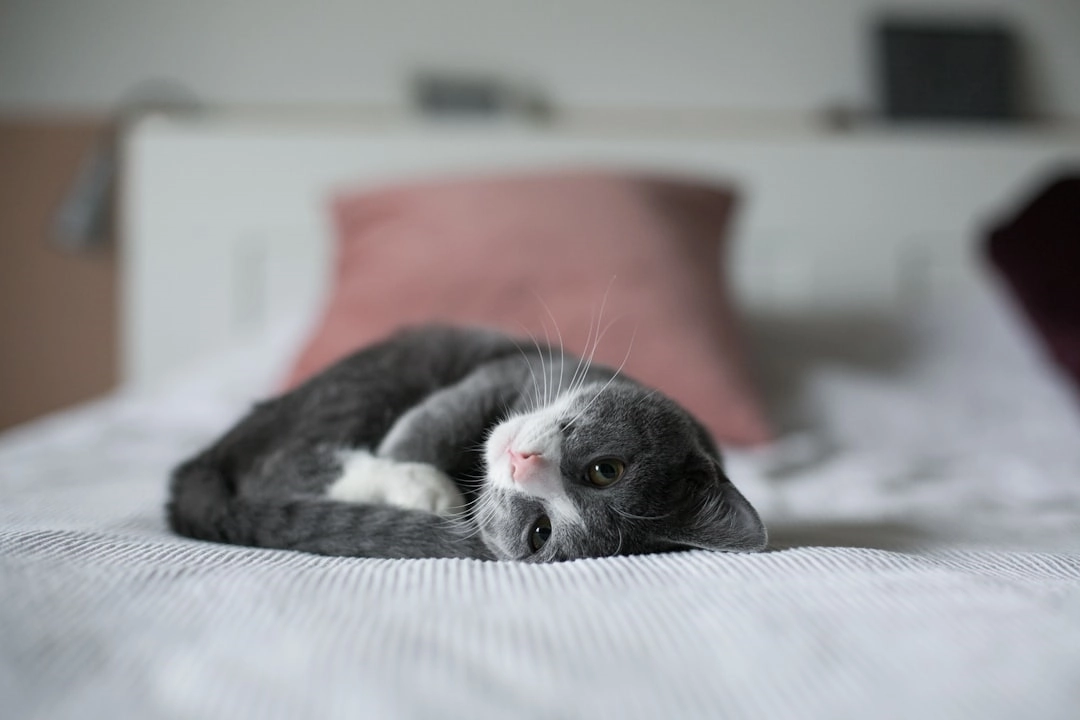
Exploring the Complexities of Cat Interstitial Cystitis
Cat interstitial cystitis, often referred to as feline idiopathic cystitis (FIC), is a perplexing condition that affects many cats, leading to a range of behavioral changes and health issues. This condition is characterized by inflammation of the bladder wall, which can cause significant discomfort and distress for our feline friends. Understanding the behavioral implications of this condition is crucial for cat owners, as it can help in managing the symptoms and improving the quality of life for affected cats. Did you know that stress and environmental changes can significantly influence the onset of FIC in cats? This surprising fact highlights the importance of recognizing behavioral signs that may indicate a cat is suffering from this condition.
As we delve into the intricacies of cat interstitial cystitis behavior, it is essential to understand that cats are creatures of habit and routine. Any disruption in their environment or daily life can lead to stress, which may exacerbate their symptoms. This blog aims to provide insights into the behaviors exhibited by cats with interstitial cystitis, helping owners identify potential issues and take proactive steps to support their pets.
Decoding Feline Behavior: Insights into Interstitial Cystitis
To effectively address the behavioral changes associated with feline interstitial cystitis, it is vital to first understand the basics of feline psychology. Cats are inherently instinctual animals, and their behaviors are often rooted in their natural instincts. For instance, a cat’s need to scratch is not merely a sign of boredom; it is an essential behavior that helps them maintain their claws and mark their territory. Similarly, behaviors such as purring, kneading, and hiding can provide valuable insights into a cat’s emotional state.
When it comes to interstitial cystitis, affected cats may exhibit a range of behaviors that signal discomfort or distress. One common behavior is increased vocalization, which can indicate that a cat is experiencing pain or anxiety. Additionally, cats with FIC may show signs of litter box aversion, such as urinating outside the box or straining to urinate. These behaviors can be distressing for both the cat and the owner, making it essential to address the underlying issues.
Understanding the natural instincts of cats can also shed light on their behavior during episodes of interstitial cystitis. For example, a cat’s instinct to seek out safe, quiet spaces may become more pronounced when they are in pain. Owners may notice their cats retreating to secluded areas of the home, which can be a sign that they are feeling vulnerable or unwell. Recognizing these behaviors is crucial for providing the appropriate support and care.
Moreover, stress plays a significant role in the development and exacerbation of feline interstitial cystitis. Cats are sensitive creatures, and changes in their environment—such as the introduction of new pets, moving to a new home, or even changes in the owner’s routine—can trigger stress responses. This stress can manifest in various ways, including changes in eating habits, increased aggression, or withdrawal from social interactions. Understanding these behavioral changes can help owners identify potential stressors and take steps to mitigate them.
In addition to recognizing stress-related behaviors, it is essential to consider breed-specific tendencies when evaluating a cat’s behavior. Different breeds may exhibit unique behavioral traits that can influence how they respond to interstitial cystitis. For instance, some breeds are known for their high energy levels and playfulness, while others may be more laid-back and reserved. Understanding these breed-specific behaviors can provide valuable context for interpreting a cat’s actions and reactions during episodes of FIC.
Ultimately, addressing the behavioral aspects of feline interstitial cystitis requires a holistic approach that considers the cat’s physical health, emotional well-being, and environmental factors. By fostering a supportive and enriching environment, cat owners can help alleviate some of the stressors that contribute to this condition. This may include providing safe spaces for the cat to retreat to, engaging in interactive play to reduce anxiety, and ensuring that the litter box is clean and accessible.
In conclusion, understanding the behavioral implications of cat interstitial cystitis is essential for effective management and care. By recognizing the signs of discomfort and stress, cat owners can take proactive steps to support their feline companions and improve their overall quality of life. Through a combination of awareness, empathy, and appropriate interventions, we can help our cats navigate the challenges posed by this complex condition.
Effective Strategies for Training Cats with Cystitis
When dealing with feline interstitial cystitis (FIC), a comprehensive training approach can significantly influence both the cat’s behavior and well-being. Training in this context is essential for several reasons. Not only does it strengthen the bond between the pet and owner, but it also creates an environment that can alleviate some symptoms of stress. Whether you’re dealing with a cat exhibiting litter box aversion or anxiety-induced behaviors, foundational training techniques play a vital role in managing these issues.
The goal of training cats with symptoms of interstitial cystitis begins with understanding the basic principles of feline learning. Cats are intelligent creatures that benefit from consistency and positive reinforcement when it comes to learning new behaviors. Unlike other pets, they can be somewhat resistant to command, making training an ongoing exercise in patience and persistence. By applying techniques based on positive reinforcement, which rewards desired behaviors with treats or praise, owners can more effectively guide their pets toward healthier behaviors.
One important aspect of training is routine; routine comforts cats, helping to reduce anxiety levels that might contribute to their symptoms. For instance, feeding times, play sessions, and litter box cleaning should happen at the same time every day. Reinforcement comes when the cat feels secure, leading to a more harmonious relationship between pet and owner.
Training begins best with observing natural behavior patterns; each cat has its unique traits. Taking note of when your cat seems agitated or anxious allows you to react accordingly. If they approach the litter box but refuse to use it, it may highlight discomfort that could be both emotional and physical due to the cystitis. At this point, incorporating soothing methods — such as talking to them in calm tones, offering comfortable resting spots, and ensuring their box is a welcoming place — can be incredibly helpful.
In managing potential anxiety-related behaviors in cats, including litter box avoidance or refusal to play, owners can begin basic behavioral training with commands, easing tension through interaction. Engaging your cat in fun activities such as interactive toys can shift focus away from stressors, encouraging them to exhibit positive, playful behavior. Through consistent rewarding of playful tendencies—by offering treats or affection upon active engagement—the likelihood of recurrence in negative symptoms reduces.
Tackling Behavior Challenges Associated with Feline Cystitis
Cats with interstitial cystitis often display behavioral challenges, signaling stress, discomfort, or pain associated with their condition. Addressing these behaviors promptly is critical to enhancing their quality of life and strengthening the pet-owner relationship. Understanding and modifying specific issues can prevent escalation and foster a safer, calmer living environment.
One common behavioral issue among cats suffering from cystitis is litter box aversion. To address this problem, a multifaceted approach must be implemented. First, assess the litter box environment. Ensure it is clean and easily accessible. Using non-scented litter and providing multiple boxes — one per cat, plus an additional one — often improves success rates, especially in multi-cat households. It’s important that these environments align with the cat’s innate preferences; low-sided boxes and specific litter materials can reduce stress significantly.
Another prominent behavior concern relates to increased vocalization or hyperactivity due to discomfort. As these cats are already under strain, modifying their environment is essential. Create spots for isolation with cozy bedding that mitigate external stressors. Soft music or an automated diffusing of calming scents, like pheromones, can also further soothe agitation.
If these immediate adjustments do not lead to behavioral improvement, it might be valuable to keep a detailed log of your cat’s behaviors, noting times of high anxiety and any particular triggers. Over time, you can start to identify patterns that elucidate what environments promote unfavorable behaviors—this insight can aid both owners and veterinarians in forming treatment options, which may extend beyond just behavioral exercises.
On occasion, despite best efforts, particular behaviors may not shift as desired. In such cases, consulting a veterinarian or a certified animal behaviorist is a viable option. They possess the resources necessary for administering the help that precisely targets problematic issues. This process may sometimes involve counseling owners on behavioral modification plans tailored to specific issues related to FIC.
For many pet owners, navigating the challenges posed by interstitial cystitis can be daunting; it’s worth emphasizing patience as a core component of all behavioral adjustments. Positive changes often develop over time with a routine devoted to training and interaction designed for successful integration of happier behaviors. Supporting a cat’s emotional and psychological well-being results from tangible work and understanding commitment. Tailoring the surrounding elements that cater specifically to their individuality, even in response to FIC, breeds ultimately healthier, happier lives for beloved feline friends.

Enhancing Feline Well-Being Through Enrichment and Play
When managing cat interstitial cystitis, it is crucial to recognize the importance of mental and physical stimulation for our feline friends. Enrichment activities and play are not just leisure pursuits; they are essential components in preventing behavioral issues that can arise from stress and discomfort associated with this condition. Engaging your cat in regular play and providing an enriched environment can significantly contribute to their emotional well-being and overall health.
Cats are naturally curious and playful creatures, and they require an environment that stimulates their senses and encourages exploration. Without adequate mental and physical stimulation, cats may exhibit signs of stress, anxiety, or frustration, which can exacerbate the symptoms of interstitial cystitis. Providing a variety of enrichment options, such as interactive toys, climbing structures, and scratching posts, allows cats to engage in natural behaviors that promote both mental and physical health.
Interactive play is particularly beneficial for cats suffering from interstitial cystitis. Activities that mimic hunting behaviors, such as using feather wands or laser pointers, can help channel their energy and instincts in a positive way. Regular play sessions not only keep cats physically active but also provide an outlet for their natural predatory behaviors, which can help reduce anxiety and improve mood. This is especially important for cats with interstitial cystitis, as stress can trigger flare-ups of their symptoms.
Moreover, incorporating puzzle feeders into your cat’s routine can provide mental stimulation while also encouraging slower eating habits, which can be beneficial for digestive health. These feeders require cats to work for their food, engaging their problem-solving skills and keeping them entertained. By combining play and feeding, you can create a dynamic and enriching environment that fosters both mental engagement and physical activity.
In addition to toys and play, creating safe spaces for exploration and relaxation is vital. Cats need areas where they can retreat when they feel stressed or overwhelmed. Providing cozy hiding spots, such as cat trees or enclosed beds, can help them feel secure. Furthermore, maintaining a consistent routine can enhance their sense of security, allowing them to thrive despite the challenges posed by interstitial cystitis.
In summary, enrichment and play are essential elements in managing the behavioral challenges associated with cat interstitial cystitis. By offering a variety of stimulating activities and creating a safe, engaging environment, cat owners can help their pets navigate the complexities of this condition while promoting overall well-being. Prioritizing mental and physical stimulation not only enhances the quality of life for cats but also strengthens the bond between pets and their owners.
Clearing Up Misconceptions About Feline Interstitial Cystitis
When it comes to feline interstitial cystitis, there are many questions and misconceptions that can lead to confusion among cat owners. Understanding the facts surrounding this condition is crucial for providing the best care possible for affected cats. Let’s address some common questions and clear up misconceptions about interstitial cystitis in cats.
One prevalent misconception is that interstitial cystitis is caused solely by a urinary tract infection (UTI). While UTIs can occur in cats, interstitial cystitis is often idiopathic, meaning the exact cause is unknown. Factors such as stress, environmental changes, and diet can contribute to the development of the condition. It’s important for cat owners to understand that a diagnosis of interstitial cystitis does not always indicate an infection, and antibiotics may not be necessary.
Another common question revolves around the belief that interstitial cystitis only affects older cats. In reality, this condition can occur in cats of any age, though it is more commonly seen in young to middle-aged cats. Both male and female cats can be affected, and the symptoms may vary from one cat to another. Recognizing that interstitial cystitis can affect a broad range of cats helps owners remain vigilant in observing any behavioral changes or signs of discomfort.
Some owners may wonder if dietary changes can help manage interstitial cystitis symptoms. While there is no one-size-fits-all diet for cats with this condition, feeding a high-quality, balanced diet can support overall urinary health. Hydration is also crucial; ensuring that your cat drinks enough water can help dilute urine and may reduce the likelihood of flare-ups. Providing wet food or incorporating water fountains can encourage better hydration habits.
Additionally, some cat owners may mistakenly believe that interstitial cystitis is a life-threatening condition. While it can cause discomfort and significantly impact a cat’s quality of life, it is generally manageable with appropriate care and attention. By recognizing the symptoms early and working closely with a veterinarian, many cats can lead happy, fulfilling lives despite having interstitial cystitis.
Finally, it’s important to address the misconception that all behavioral changes in cats with interstitial cystitis are purely psychological. While stress and anxiety can certainly exacerbate symptoms, physical discomfort must also be considered. Owners should remain attentive to their cats’ needs and behaviors, as changes in urination habits, increased vocalization, or hiding can all indicate a need for medical evaluation and intervention.
In conclusion, clearing up misconceptions about feline interstitial cystitis is essential for effective management and care. By understanding the complexities of this condition and addressing common questions, cat owners can provide the best support for their feline companions. Staying informed and proactive can make a significant difference in the lives of cats affected by interstitial cystitis.
