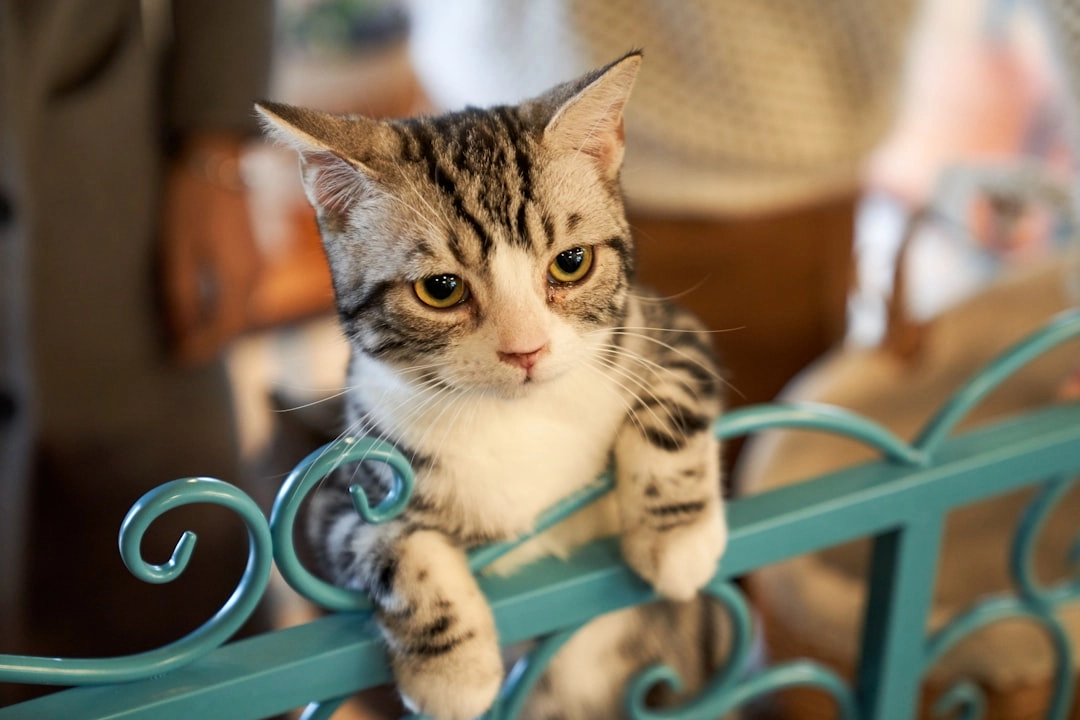
Creating a Safe Haven for Your Feline Friend
Creating a harmonious cat safe space is essential for the well-being of your feline companion. Cats are creatures of habit and thrive in environments where they feel secure and comfortable. Did you know that a cat’s environment can significantly impact its behavior and overall health? A well-designed safe space can reduce stress, promote positive behaviors, and enhance the bond between you and your pet. In this blog, we will explore the importance of creating a safe haven for your cat, focusing on their unique needs and behaviors.
Decoding Feline Behavior for a Better Living Space
Understanding feline behavior is crucial when creating a safe space for your cat. Cats are inherently instinctual animals, and their behaviors often stem from their wild ancestors. By recognizing these behaviors, you can tailor your cat’s environment to meet their needs, ensuring they feel secure and happy.
One of the most fundamental aspects of feline psychology is their territorial nature. Cats are territorial creatures, and they often feel more secure in spaces that they can claim as their own. This means providing them with designated areas where they can retreat and feel safe. Cat trees, cozy beds, and hiding spots can serve as their personal sanctuaries. By allowing your cat to establish its territory, you help reduce anxiety and promote a sense of ownership over their environment.
Another important behavior to consider is a cat’s natural instinct to climb and explore. In the wild, cats often seek high vantage points to survey their surroundings and spot potential threats. Providing vertical spaces, such as shelves or cat trees, can satisfy this instinct and give your cat a sense of security. Cats love to perch up high, and it allows them to feel in control of their environment.
Additionally, understanding common feline behaviors can help you create a more enriching environment. For instance, behaviors like purring, kneading, and scratching are all normal and serve specific purposes. Purring often indicates contentment, while kneading is a comforting behavior that stems from kittenhood. Scratching, on the other hand, is essential for maintaining their claws and marking territory. Providing appropriate scratching posts and surfaces can help redirect this behavior away from your furniture.
Moreover, play is a vital aspect of a cat’s life. Engaging your cat in interactive playtime not only provides physical exercise but also stimulates their mental faculties. Toys that mimic prey, such as feather wands or laser pointers, can tap into their hunting instincts and provide hours of entertainment. Creating a safe space that includes various toys and play areas can help keep your cat mentally and physically active.
It’s also essential to consider the sensory aspects of your cat’s environment. Cats have highly developed senses, and their surroundings should cater to these. For example, providing access to windows where they can observe birds and other wildlife can be incredibly enriching. Additionally, incorporating different textures and scents can stimulate their senses and create a more engaging environment.
Lastly, it’s important to recognize that each cat is unique, and their behaviors can vary based on breed, age, and individual personality. Some breeds, like Siamese cats, are known for their vocal nature and social behaviors, while others, like the British Shorthair, may be more reserved. Understanding your cat’s specific breed traits can help you tailor their safe space to better suit their needs.
In conclusion, creating a harmonious cat safe space involves understanding feline behavior and instincts. By providing designated areas, vertical spaces, appropriate scratching surfaces, engaging playtime, and sensory stimulation, you can create an environment where your cat feels secure and happy. Remember, a well-designed safe haven not only benefits your cat but also strengthens the bond between you and your furry friend.
Essential Training Techniques for a Harmonious Cat
When it comes to ensuring a smooth coexistence with your feline friend, the importance of effective training cannot be overstated. Training not only establishes a solid foundation for your cat’s behavior but also enhances the overall bond between you and your furry companion. Training your cat plays a critical role in addressing key behaviors that might become issues in their living environment, thus creating a harmonious relationship.
One major reason why training is essential for cats is that it promotes good habits. Basic commands such as “sit,” “stay,” or “come” can significantly contribute to a well-mannered cat. Interestingly, training benefits the pet as well; not only does it add structure to their lives, it also boosts their confidence as they learn to navigate their surroundings. This happens because they feel more secure, knowing the right actions expected from them, creating a calm and stable living environment.
Another benefit of training is that it caters to the mental stimulation that your cat needs. Cats, like many other animals, require activities that challenge their instincts. Incorporating training activities into your daily routine helps stimulate your cat’s mind, making them more inquisitive and enthusiastic about participating in home life. Simple training can also redirect destructive tendencies into productive habits.
Using positive reinforcement is fundamental to effectively training your cat. This entails rewarding your cat with treats, praise, or play for displaying the desired behavior. It’s important to start training sessions when your cat is in a receptive mood; a play session or their favorite treat can go a long way. Understanding how your cat responds encourages them to learn and stick with the training process. Short training sessions, around 5–10 minutes each, are optimal so as not to overwhelm your cat.
As you progress, consistency is key. Using the same commands or cues every time will help avoid confusion. Also, be patient, as training can take time. Each cat has its learning pace, and what works for one may not work for another. Furthermore, as a species that prize routine, addressing training in predictable spaces will encourage learning.
Grooming can also form a core part of training, as the right approach will make routine checks much easier. Teaching your cat to tolerate brushing helps minimize matting of fur, promotes good hygiene, and gets them used to receiving attention in certain areas of their body. This becomes even more beneficial if they have special grooming needs.
Tackling Feline Behavioral Challenges
Every cat comes with its quirks, and sometimes, these unique traits can evolve into behavioral challenges. Understanding these potential issues is fundamental in implementing corrective strategies. Often, actions such as excessive scratching, biting during play, litter box reluctance, or nuisance behaviors stem from a misunderstood need, unmet instinct, or simple boredom.
Taking measures to address common behaviors proactively will not only benefit the cat but can ease the frustration for both owner and cat alike. Take scratching; it’s entirely normal behavior that comes down to territory, exercise, and managing their claws. The application of appropriate scratching posts can help to alleviate the pull of using the furniture instead. Scratchers should be strategically placed in the rooms your cat enjoys the most and can vary in type to meet different scratching preferences.
Regarding litter box challenges, getting to the root of the issue is crucial. Sometimes stress factors in the home such as changing environments, introducing new pets, or alterations in routines can motivate a refusal to use the box. Frequent, inappropriate occurrences deserve immediate attention; might the box be unappealing? Clean, accessible locations for litter boxes, type of litter used, or size of the box can significantly affect your cat’s willingness to use it. Transitioning slowly between different types of litter can also minimize stress when you’re attempting to adjust their preferences.
Moreover, a cat’s predatory instincts can lead to bouts of aggression or rough play during playtime, and early identification of these patterns can help establish safer and more appropriate engagement. Training sessions can integrate calmer play strategies and develop lines of play that better respect your cat’s comfort. If the normal biting or rough pawing turns into biting which punctuates interactions with other pets or owners, intervention may be necessary. Using a gentle “no” and redirecting immediately to other activities shows your pet what is acceptable during interactive time.
Considering seeking help is a valid consideration if behavioral challenges persist and feel beyond your scope of ability. Consulting a professional trainer familiar with feline behavior can provide customized plans that would cater uniquely to your specific cat’s situation. These experts often observe subtle signs you may have overlooked and have tried and tested methods for efficient remedial and teaching. This curated approach fosters confidence at both ends, ensuring trust remains intact throughout.
Understanding cat behavior, attending to needs, addressing potential issues right away can lay the groundwork for an ongoing communal relationship that makes living together an absolute pleasure. The fulfillment from navigating behavioral challenges only bolsters the camaraderie between owner and feline, allowing both to live harmoniously within their shared domain.

Engaging Activities for a Thriving Cat Environment
Creating a harmonious cat safe space goes beyond providing shelter and food; it requires an understanding of the need for mental and physical stimulation. Cats are naturally curious creatures that thrive on interaction and play. Without proper enrichment, they can become bored, anxious, or even develop behavioral issues. Engaging activities not only prevent these negative behaviors but also foster a more enriching environment where your cat can thrive.
The importance of mental and physical stimulation cannot be overstated. Just like humans, cats need exercise and mental challenges to stay healthy and happy. Regular playtime can help prevent obesity, which is a common concern among indoor cats. Additionally, play helps reduce stress and anxiety, making your cat feel more secure in their environment. Incorporating various forms of enrichment will keep your cat mentally sharp and physically fit.
One effective way to provide enrichment is through interactive toys. Toys that mimic prey, such as feather wands or laser pointers, can stimulate your cat’s hunting instincts and encourage them to engage in physical activity. It’s essential to rotate these toys regularly to maintain your cat’s interest. You can also create DIY toys using household items, such as crumpled paper or cardboard boxes, to keep the excitement alive.
Moreover, puzzle feeders are a fantastic way to combine mealtime with mental stimulation. These feeders require your cat to work for their food, turning a mundane task into a fun challenge. This not only slows down their eating but also provides them with the satisfaction of earning their meal. Additionally, incorporating food-dispensing toys can further engage your cat and keep them active throughout the day.
Another effective method of enrichment is creating a cat-friendly environment. Cats love to climb and explore, so providing vertical spaces such as shelves, cat trees, or window perches can significantly enhance their living area. These spaces allow them to survey their territory, fulfilling their natural instincts. You can also enrich their environment with safe plants, scratching posts, and cozy hideaways to give them a sense of security.
Engaging with your cat through training can also be a form of enrichment. Teaching them tricks or commands not only stimulates their minds but also strengthens the bond between you and your feline friend. Positive reinforcement techniques, such as treats and praise, can make training sessions enjoyable and rewarding. Regular training can also help prevent behavioral issues, as it gives your cat a clear understanding of what is expected of them.
Lastly, social interaction is a crucial component of enrichment. Spend quality time with your cat, whether through play, grooming, or simply lounging together. Cats are social animals, and your presence can significantly contribute to their overall happiness. Engaging in activities together will not only keep your cat stimulated but also strengthen the bond you share.
Clearing Up Misunderstandings About Cat Care
When it comes to creating a harmonious safe space for your cat, there are several common questions and misconceptions that pet owners may encounter. Understanding these can help you make informed decisions about your cat’s care and well-being.
One prevalent misconception is that cats are low-maintenance pets that don’t require much interaction or attention. While it’s true that cats are generally more independent than dogs, they still need mental and physical stimulation to thrive. Ignoring their need for enrichment can lead to boredom and behavioral issues. Regular playtime, interactive toys, and social engagement are vital components of a cat’s well-being.
Another common myth is that indoor cats do not need exercise. On the contrary, indoor cats require just as much physical activity as outdoor cats. Lack of exercise can lead to obesity and health issues. Incorporating playtime and creating a stimulating environment with climbing structures and toys can help keep indoor cats active and healthy.
Some people also believe that cats will naturally find ways to entertain themselves. While cats are adept at playing with simple objects, they still need guidance and encouragement from their owners. Providing a variety of toys and engaging in interactive play is essential to keep your cat mentally stimulated and prevent unwanted behaviors.
Additionally, there is a misconception that cats do not need social interaction. While cats are often perceived as solitary animals, they are social creatures that benefit from interaction with their human companions. Spending quality time with your cat through play, grooming, or simply being present can significantly improve their emotional well-being.
Another frequent question pertains to the idea that all cats dislike water. While many cats are indeed wary of water, there are exceptions. Some breeds, like the Maine Coon or the Turkish Van, are known for their affinity for water. Understanding your cat’s individual preferences can help you cater to their unique personality and needs.
Finally, many cat owners are unsure about the necessity of scratching posts. Scratching is a natural behavior for cats that serves multiple purposes, including marking territory and keeping their claws healthy. Providing designated scratching areas will not only protect your furniture but also satisfy your cat’s instinctual needs. It’s essential to have a variety of scratching surfaces to cater to your cat’s preferences.
By addressing these common questions and misconceptions, you can create a harmonious safe space that meets your cat’s needs. Understanding their behaviors and preferences will lead to a more enriching environment, enhancing both your and your cat’s quality of life. With the right approach, you can ensure your feline friend thrives in a safe and engaging home.
