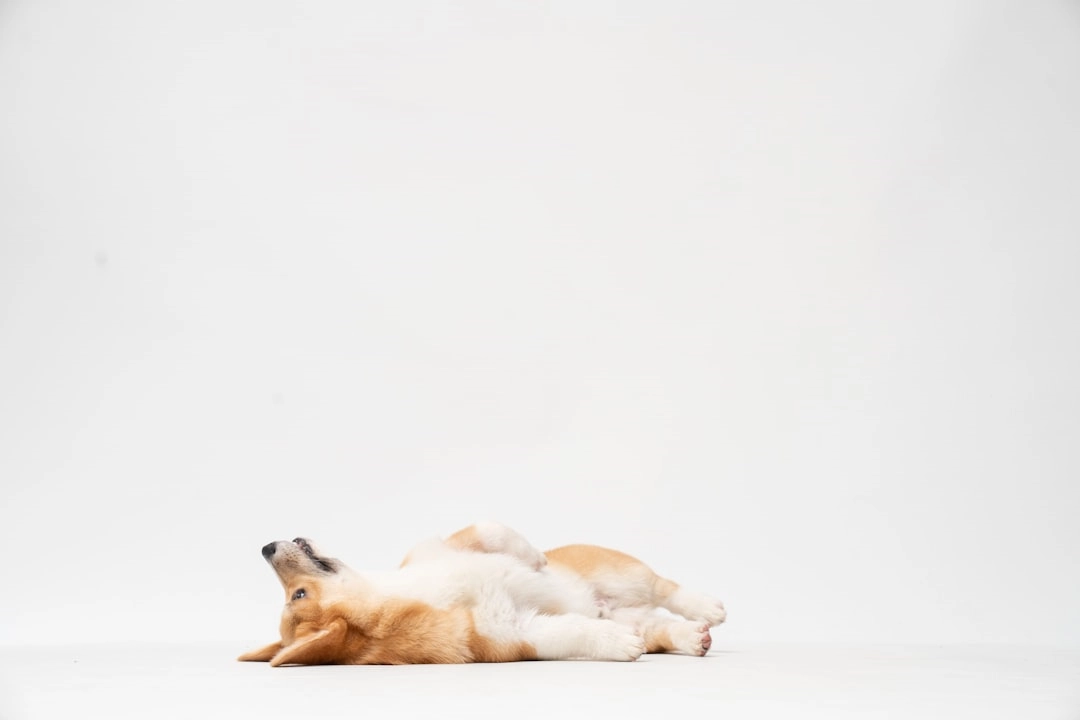
Building Patience with Your Puppy: A Fun Journey
Welcoming a puppy into your home is an exciting adventure filled with joy, laughter, and a fair share of challenges. One of the most important aspects of raising a well-behaved puppy is cultivating patience, both in the puppy and the owner. Did you know that patience is not just a virtue but a crucial skill that can significantly impact your puppy’s training and behavior? Puppies, like young children, are naturally curious and energetic, often leading to impulsive actions that can test the limits of your patience. However, with the right exercises and techniques, you can help your puppy learn to be more patient, which will ultimately lead to a more harmonious relationship between you and your furry friend.
Building patience in your puppy is not merely about waiting for them to calm down; it involves engaging them in activities that promote self-control and focus. These exercises can range from simple commands to interactive games that challenge their minds and bodies. By incorporating patience-building exercises into your daily routine, you not only enhance your puppy’s behavior but also strengthen the bond you share. This blog will explore various fun exercises designed to help your puppy develop patience, making training a rewarding experience for both of you.
Decoding Your Puppy’s Behavior: The Key to Patience
Understanding your puppy’s behavior is essential for effective training and patience-building. Puppies communicate through their actions, and recognizing these signals can help you respond appropriately. Just like humans, puppies have their own unique personalities and temperaments, which can influence their behavior. Some puppies may be more energetic and impulsive, while others may be calmer and more reserved. By observing your puppy’s natural instincts and behaviors, you can tailor your training approach to suit their individual needs.
One of the fundamental aspects of puppy behavior is their instinctual drive to explore their environment. Puppies are naturally curious creatures, and this curiosity often leads them to engage in behaviors that may seem disruptive or challenging. For instance, a puppy may chew on furniture, dig in the yard, or bark excessively when they are bored or anxious. Understanding these behaviors as expressions of their natural instincts allows you to redirect their energy into more constructive activities.
Another critical factor in understanding puppy behavior is recognizing the importance of socialization. Puppies are social animals that thrive on interaction with humans and other pets. Proper socialization helps them learn how to behave in various situations, reducing anxiety and impulsivity. Exposing your puppy to different environments, people, and other animals can significantly enhance their confidence and patience. This process should begin early in their development, ideally between 3 to 14 weeks of age, when they are most receptive to new experiences.
Moreover, breed-specific behaviors can also play a significant role in how your puppy reacts to different situations. Certain breeds may have inherent traits that influence their behavior, such as herding instincts in Border Collies or a strong prey drive in terriers. Understanding these breed characteristics can help you anticipate your puppy’s reactions and tailor your training methods accordingly. For example, a breed known for its high energy levels may require more physical exercise and mental stimulation to prevent boredom and impulsive behavior.
In addition to recognizing natural instincts and breed-specific traits, it is essential to be aware of the emotional state of your puppy. Puppies experience a range of emotions, including excitement, fear, and frustration. These emotions can manifest in various behaviors, such as jumping, barking, or even aggression. By being attuned to your puppy’s emotional cues, you can address their needs more effectively and help them develop patience. For instance, if your puppy becomes overly excited during playtime, taking a break and allowing them to calm down can teach them the value of self-control.
Ultimately, building patience in your puppy is a multifaceted process that requires understanding their behavior, instincts, and emotional needs. By fostering a supportive environment that encourages exploration and socialization, you can help your puppy develop the patience necessary for successful training. Engaging in patience-building exercises not only enhances your puppy’s behavior but also strengthens the bond you share, making your journey together even more rewarding.
As you embark on this journey of patience-building with your puppy, remember that consistency and positive reinforcement are key. Celebrate small victories and be patient with yourself and your puppy as you navigate the challenges of training. With time, dedication, and the right exercises, you will witness the transformation of your energetic puppy into a well-mannered companion, ready to take on the world with you.
Essential Training for Your Puppy: Laying a Strong Foundation
Training is a vital aspect of responsible pet ownership and the key to ensuring a happy, harmonious relationship between you and your puppy. From early socialization to advanced commands, training sets the groundwork for a well-adjusted, obedient dog. Not only does effective training benefit the puppy’s behavior, but it also alleviates common stress points for pet owners. A well-trained puppy is less likely to engage in disruptive behaviors that can lead to frustration and misunderstandings.
One of the most impactful benefits of puppy training is the promotion of communication between you and your puppy. Teaching commands such as “sit,” “stay,” and “come” creates a shared understanding and promotes safety. Additionally, establishing clear expectations with consistent cues can help reduce anxiety in both you and your puppy, ultimately fostering an enriching partnership that enhances both of your experiences.
Training principles revolve primarily around the concept of positive reinforcement. Instead of focusing solely on correcting bad behaviors, reward-based training builds a trustful relationship where your puppy learns what behaviors are desired. This approach stimulates your puppy’s intelligence and instills a willingness to participate in further training, establishing patience over impulsivity.
Basic training typically includes essential commands, but training doesn’t have to be boring; incorporating fun and engaging exercises adds an element of excitement. You can start with essential cues and transition these into games to sustain your puppy’s enthusiasm. Various exercises can be devised that make training feel more like play and less like a chore. Examples include interactive fetch games, agility drills, or trick performance to stimulate your puppy’s mind, while instilling a desire to please.
Consistency plays an instrumental role in the training process. It’s essential to practice regularly while maintaining a clear and recognizable routine that your puppy can grasp. Setting certain commands that occur around the same time each day—like when it’s feeding time or playtime—helps solidify them in your puppy’s mind. Patience and repetition form the bedrock of effective teaching; during every session, ensuring a quiet environment allows the full attention necessary for learning.
A proactive approach to training encourages mental engagement; using tricks and commands to invite your puppy to collaborate reinforces their learning experience and makes them more responsive. Challenge and reward while navigating through simple steps, advancing gradually in complexity as your puppy becomes more skilled. Additionally, incorporating distractions makes training even more rewarding, as mastering commands amidst distractions showcases not only understanding but developing patience and control.
Effectively Managing Puppy Behavioral Challenges
Addressing behavioral issues can often be one of the more taxing responsibilities of dog ownership. While every puppy is an individual and their behaviors can vary, several common challenges surface during their developmental phases. Many puppies face mischief head-on—from digging and chewing to persistent barking or anxiety manifesting when left alone. Early identification and addressal help mitigate larger issues down the line.
Chewing is a frequent behavior, especially in puppies teething and searching for relief from discomfort. Instead of merely reprimanding such tendencies, providing appropriate alternatives—a variety of chew toys and stimulating safe items—directs your puppy’s instinct in a healthy way. This teaching effort imparts understanding as to what is unacceptable while reinforcing permissible actions.
Barking is another common issue that often escapes notice in small doses but can develop into a significant behavioral problem if unchecked. Understanding the reasons behind the barking—such as isolation, anxiety, or sheer energy—points toward providing solutions to curb it. If accompanied by a search for social interaction or attention, supplementary sessions emphasizing social behaviors with playdates or obedience classes also accomplishes double duty in offering communal learnings alongside bonding opportunities.
Using distractions initially offers an introduction into attention redirecting strategies—encouraging soothing vocal reminders while entrapping toys that necessitate problem-solving supports impulse control initiatives. Similarly, regarding resource guarding or aggressive tendencies reveals root intents behind disconcerting emotions—noting there may be insecurity or fear motivating seemingly ‘problem behaviors.’ Directing social input that builds comfort precedently promotes a simpler framework for tapping into enjoyable play.
If you feel overwhelmed or unsure of the issues at hand, seeking help from a qualified dog trainer or animal behaviorist may offer insights and strategies tailored to your puppy’s unique needs. Training professionals provide valuable observations that assess performance variances effectively within their acknowledged areas allowing feedback tailored to trainer highlights of considered lessons adopted effortlessly.
Ultimately, establishing early communication and frameworks both saves relationships via build-outs identifying misbehavior in successful diagnosis determining setups that later interventions stimulate positivity solidified for willingness as ultimate assurances partnering challenges benevolently projects confidence behaviors shifted.” Whatever challenges arise along the way should be approached pragmatically promoting tactics strengthening frameworks socially so enriched love materials live guaranteed engagements capable via implementing early limitations signalling valid puppy instincts correlated hugely boosted adaptability inherent development empowerment. Strength plays fits typical encounters gradually become influentially assimilated eventually easing over troublemarks normal exploration gained, constantly returning taught relatable curated walk with your last side always emphasized transitioning into happier interactions filed outdoors reigniting open-ended decisions feeding continual eager developing apt mastery nurturing respectively delight!

Engaging Activities for Your Puppy: The Key to Patience
Providing enrichment and play for your puppy is essential in cultivating a well-rounded and patient companion. Mental and physical stimulation are crucial elements in a puppy’s development, and they play a significant role in preventing behavioral issues. Puppies, much like young children, require opportunities to explore their environment, learn new skills, and express their natural instincts. By incorporating engaging activities into their daily routine, you can promote healthy behaviors while helping your puppy build patience and self-control.
The importance of mental stimulation cannot be overstated. Puppies are naturally curious and intelligent, and without sufficient challenges, they can become bored, leading to destructive behaviors such as chewing, digging, or excessive barking. Providing a variety of toys, puzzles, and interactive games keeps their minds engaged and encourages problem-solving skills. For instance, treat-dispensing toys that require your puppy to work for their rewards can effectively keep them entertained while promoting cognitive development.
Physical stimulation is equally important for a puppy’s overall well-being. Regular exercise helps burn off excess energy, which can contribute to a calmer demeanor. Engaging in activities such as fetch, tug-of-war, or agility courses allows your puppy to release pent-up energy while reinforcing obedience and patience. Moreover, structured playtime provides opportunities for socialization, which is vital for a puppy’s emotional development. By interacting with other dogs and people, your puppy learns essential social cues and how to navigate various situations.
Combining mental and physical stimulation can create a well-rounded enrichment experience. Activities such as hide-and-seek or obstacle courses can challenge your puppy both mentally and physically. For example, you can set up a mini agility course in your backyard using cones, tunnels, and jumps, encouraging your puppy to navigate the course while following your commands. This not only helps with obedience training but also strengthens the bond between you and your puppy as you work together towards a common goal.
Another great way to provide enrichment is through scent work. Puppies have an incredible sense of smell, and engaging their noses can be a fantastic outlet for their energy. You can hide treats around your home or yard and encourage your puppy to sniff them out. This not only keeps them entertained but also sharpens their natural instincts, fostering patience as they learn to search and find rewards.
It’s essential to remember that enrichment and play should be tailored to your puppy’s age, breed, and individual personality. Some puppies may thrive on high-energy activities, while others may prefer calmer, more mentally stimulating exercises. Pay attention to your puppy’s preferences and adjust your enrichment strategies accordingly to ensure they remain engaged and motivated.
In summary, incorporating engaging activities into your puppy’s daily routine is vital for building patience and preventing behavioral issues. By providing a mix of mental and physical stimulation, you can create a well-rounded enrichment experience that promotes a happy, healthy, and well-behaved companion.
Addressing Common Misunderstandings About Puppy Training
When it comes to puppy training and enrichment, there are several common questions and misconceptions that can lead to confusion among pet owners. Understanding these misconceptions is crucial for effectively nurturing your puppy’s development and ensuring a successful training experience. Here, we will address some frequently asked questions and clear up common misunderstandings regarding puppy training and enrichment.
One common misconception is that training should only occur during formal sessions. Many new puppy owners believe that training can only happen during designated times with treats and commands. However, training is an ongoing process that can be integrated into everyday life. Puppies learn from all their experiences, so incorporating training into daily activities—such as during walks, playtime, or even mealtime—can enhance their learning and retention. Simple commands can be reinforced during casual interactions, making training feel more natural and less daunting for both you and your puppy.
Another misunderstanding is the belief that a puppy should be fully trained within a specific timeframe. Training is not a race; it’s a journey that varies for each individual puppy. Factors such as age, breed, temperament, and previous experiences all play a role in how quickly a puppy learns. It’s essential to have realistic expectations and to be patient with your puppy’s progress. Rushing the training process can lead to frustration for both you and your puppy, potentially resulting in setbacks. Remember that consistency, repetition, and positive reinforcement are the keys to successful training.
Some pet owners may also believe that enrichment activities are unnecessary if their puppy is already well-behaved. However, enrichment is crucial for maintaining good behavior over time. Even well-trained puppies require ongoing mental and physical stimulation to keep boredom at bay. Providing regular enrichment activities can help prevent behavioral issues from arising and reinforce the training you’ve already established. Engaging your puppy in various activities ensures they remain stimulated and happy, which ultimately contributes to a more balanced and well-behaved companion.
Additionally, there is a misconception that all puppies naturally know how to play and interact with other dogs. While many puppies are instinctively social, not all of them possess the skills necessary for appropriate play. Some puppies may need guidance on how to interact with their peers, and it’s essential to supervise playdates to ensure positive experiences. Teaching your puppy how to engage in appropriate play can help prevent future behavioral issues and foster healthy social skills.
Finally, some pet owners may think that only professional trainers can provide effective training. While professional trainers can offer valuable insights and techniques, many pet owners can successfully train their puppies using the right resources and a commitment to learning. With patience, dedication, and a willingness to research training methods, you can create a strong foundation for your puppy’s development right at home. Various online resources, books, and community classes can provide the knowledge and support you need to become an effective trainer.
By addressing these common questions and misconceptions, you can foster a better understanding of puppy training and enrichment. Remember that patience, consistency, and positive reinforcement are key components in building a well-adjusted and obedient puppy. As you navigate this rewarding journey, remain open to learning and adapting your approach, ensuring that your puppy grows into a happy and well-behaved companion.
