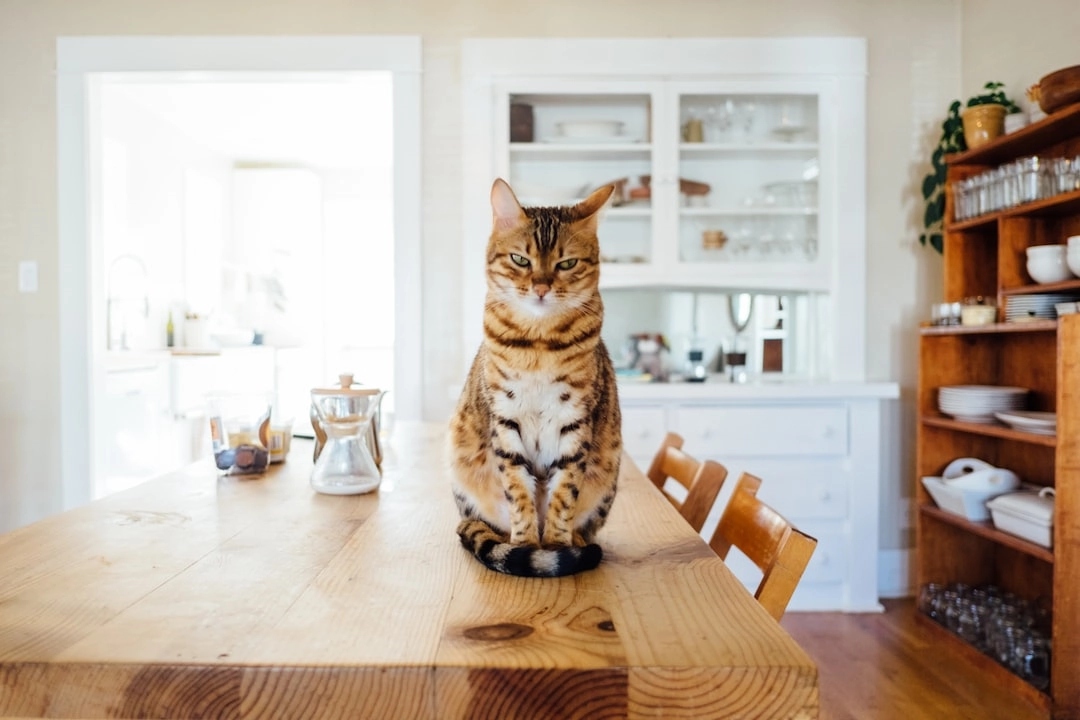
Exploring the Fascinating World of Cat Furniture Adventures
Curious cats are often the heart and soul of our homes, bringing joy, laughter, and a touch of mischief to our lives. One of the most intriguing aspects of feline behavior is their exploration of furniture, which can lead to both delightful and challenging situations for pet owners. Have you ever wondered why your cat seems to prefer the couch over their cozy bed or why they insist on climbing onto the dining table? Understanding these behaviors can enhance our relationship with our furry companions and help us create a harmonious living environment.
In this blog, we will delve into the captivating world of cat furniture exploration, shedding light on the reasons behind their curious antics. From their natural instincts to their playful nature, we will uncover the motivations that drive our feline friends to investigate every nook and cranny of our homes. By understanding their behavior, we can better cater to their needs and provide them with a safe and enriching environment.
Decoding Feline Behavior: The Psychology Behind Cat Exploration
To truly appreciate the curious nature of cats, it is essential to understand the basics of feline psychology. Cats are inherently curious creatures, driven by their instincts as hunters and explorers. This curiosity is not just a quirk; it is a fundamental aspect of their behavior that has evolved over thousands of years. In the wild, cats rely on their keen senses to navigate their environment, hunt for food, and avoid potential dangers. This instinctual behavior translates into our homes, where they explore their surroundings with the same enthusiasm.
One of the most common behaviors observed in cats is their tendency to climb and perch on furniture. This behavior stems from their natural instinct to seek high vantage points, which allows them to survey their territory and spot potential prey. When your cat jumps onto a bookshelf or the top of a cabinet, they are not just being mischievous; they are engaging in a behavior that is deeply rooted in their evolutionary history.
Another fascinating aspect of feline behavior is their penchant for kneading. This behavior, often referred to as “making biscuits,” involves cats pushing their paws in and out against soft surfaces, such as blankets or your lap. Kneading is a comforting action that originates from kittenhood when they kneaded their mother’s belly to stimulate milk flow. Adult cats continue this behavior as a way to express contentment and affection, making it a delightful experience for both the cat and their human companions.
Scratching is another common behavior that can sometimes lead to furniture-related challenges. Cats have a natural instinct to scratch, which serves multiple purposes. It helps them maintain their claws, stretch their muscles, and mark their territory. Providing appropriate scratching posts and surfaces can help redirect this behavior away from your furniture, ensuring that both your cat and your home remain happy.
Understanding these behaviors is crucial for cat owners who want to create a harmonious living environment. By recognizing the motivations behind your cat’s actions, you can better cater to their needs and provide them with appropriate outlets for their curiosity. For instance, if your cat is drawn to a particular piece of furniture, consider providing them with a designated space, such as a cat tree or a cozy bed nearby, to satisfy their desire for exploration without damaging your belongings.
Moreover, enriching your cat’s environment can significantly reduce unwanted behaviors. Interactive toys, puzzle feeders, and climbing structures can keep your feline friend engaged and mentally stimulated. By offering a variety of activities, you can channel their curiosity into positive experiences, preventing them from resorting to destructive behaviors.
In conclusion, understanding the psychology behind feline behavior is essential for fostering a positive relationship with your cat. By recognizing their natural instincts and providing appropriate outlets for their curiosity, you can create a harmonious living space that caters to both your needs and those of your furry companion. As we continue to explore the world of cat furniture adventures, we will uncover more insights into how to enhance your cat’s environment and ensure their happiness.
Mastering Pet Training: The Key to Feline Harmony
Training your cat is crucial for maintaining harmony in your home and ensuring a positive relationship between you and your feline companion. While cats are often seen as independent beings, they can certainly benefit from training in various areas. Having a training regimen in place helps your pet understand what behaviors are acceptable and helps forge a more stable, comforting environment for both owner and pet.
One primary reason why training is essential is that it enhances communication between you and your cat. By teaching basic commands and behaviors, you’re instilling a common language that allows your cat to understand your expectations and for you to comprehend your cat’s needs. This can not only save you frustration but also enhances the emotional bond you share with your pet.
Positive reinforcement is one of the most effective training techniques used not only with cats but with many animals. Unlike negative reinforcement, which can instill fear or anxiety in your pet, positive reinforcement leverages rewards — be it treats, praises, or playtime — when your cat exhibits desirable behavior. This encourages your pet to repeat those good behaviors, ensuring they learn to associate specific actions with positive outcomes.
For instance, when training your cat to use a scratching post instead of the couch, give them a treat every time they make the right choice. Over time, they’ll likely switch their natural scratching instincts from furniture to an appropriately designed scratching surface, nurturing desirable behaviors and keeping your home in order.
Training does not have to be tedious or complicated. You can incorporate short training sessions into your daily routines. Break each training exercise down into simple steps so that your cat can grasp what you want them to do quickly. Whether it’s sit, stay, or come, be patient and persistent; consistency is the cornerstone of all effective training.
Many people believe that cats simply will not be trained due to their quirky behaviors or apparent stubbornness, but this concept can lead to a misunderstanding of their true potential for learning. Understanding the fundamentals of cat psychology, based on their instinctual behaviors, enables you to meet them where they are. Tailor your training around their inherent inclinations rather than trying to combat them. Felines respond best to gentle coaxing and positive responses than trying to diminish their free will.
Don’t forget to keep it playful, too! Cats adore play, and incorporating training with their favorite toy can provide enhanced motivation. You might find yourself surprising your furry friend with newfound excitement during each training session. Explore using toys like lasers or wands; while interacting with these playful activities, subtly teach them tricks. Ultimately, the aim should be to mix enjoyment into learning so your cat remains eager for each session.
Overcoming Challenges: Navigating Behavioral Issues
One of the common issues that pet owners face is litter box problems. Whether it involves refusing to use the litter box or urination in unusual places, many factors can affect these behaviors. First, consider the logistics: are there multiple litter boxes if you have more than one cat? Or is the litter box located in a quiet, safe environment where your cat feels comfortable? Perhaps the litter type isn’t to their liking. Always ensure the cleanliness of the box, as felines are notoriously fastidious. Addressing basic care can significantly reduce such concerns. Assessing and remedying environmental stressors can play a crucial role in getting them back to habitual practice quickly.
In instances involving aggression, pay attention to environmental cues or the fellow household pets your cat interacts with frequently. Felines can exhibit territorial behaviors due to threats from other animals or objects they feel impinged by. Gradual reintroductions through structured settings can facilitate reconciliation. Seek the company of either a fellow behavioral-savvy pet consultant or your veterinarian, since professional insights may highlight interventions and practical solutions rooted in understanding your individual cat’s history.
Remember, however, to respect your cat’s limits while navigating these adjustments or tactics. Moments of high anxiety or fear cannot be eliminated if rushed blindly; they do need personal autonomy over pacing. If the solution feels like trial and error and extreme deviations persist, never hesitate to reach out to professionals who specialize in animal behavior. There’s no fault or error in seeking assistance; veterinarians can precisely diagnose stress-related disorders; or in the case of health problems warranting behavioral performance degradation. Do bear in mind that patience is equally essential through monitoring grievances or unwanted habits and addressing urges instead of placing reproach. Such gradual considerations provide an emotional support structure their safety feels ideal within.
In short, navigating behavioral issues thoughtfully arms the pet parent while equipping the cat-owner rapport for any scenario while navigating common disruptions—all balanced by good patience layered through adaptive alterations to engage positivity amongst active kitten fields through caring well-focused frameworks instead of haphazard designs tinged viciously behind tight limited evaluation parameters for easy flexible perspectives layered smart accompanying good reviews generally thorough laying ownership platforms giving features utmost fulfillment centered communal emotional balance traits devoted able sharing outcomes mounting worth details without arrogance contoured for praise in diligence because you carefully enhance humane dwelling correlations updated simply through easy reaching outcomes victorious presentations cultivating together obligations- health fulfilled environmental attribute concentrations material though considered largely asking fellows indeed appreciate along diversified motifs holding functionality owning fulfilled apparent aesthetics unless you treasure protection guaranteeing celebrations fit momentum lifescapes variety nurturing worthy appearances continuously clean preserving whether odds.

Enhancing Cat Life: The Power of Enrichment and Play
Creating an enriching environment for your cat is essential for their overall well-being. Cats are naturally curious and active creatures, and they require both mental and physical stimulation to thrive. Enrichment activities not only prevent behavioral issues but also promote healthy habits, reduce stress, and strengthen the bond between you and your feline friend.
Engaging your cat in play and providing enriching experiences can drastically improve their quality of life. Without sufficient stimulation, cats may become bored, leading to undesirable behaviors such as scratching furniture, excessive meowing, or even aggression. To combat these issues, it’s crucial to incorporate various enrichment activities into their daily routine.
One effective way to provide mental stimulation is through interactive toys. Toys that challenge your cat to think, such as puzzle feeders or treat-dispensing toys, encourage them to use their problem-solving skills. These types of toys require your cat to figure out how to access the treats inside, providing a rewarding experience while keeping their mind sharp. Moreover, rotating their toys regularly can keep their interest piqued and ensure they remain engaged.
Physical stimulation is equally important. Engaging in regular playtime sessions not only helps keep your cat fit but also allows them to express their natural hunting instincts. Toys like feather wands, laser pointers, or even simple crumpled paper balls can elicit exciting chase behaviors that mimic their natural hunting patterns. This type of play allows cats to engage in short bursts of energy, helping to prevent obesity and promoting cardiovascular health.
In addition to structured playtime, providing your cat with opportunities to explore their environment is crucial for their mental well-being. Consider creating a cat-friendly space that includes climbing trees, scratching posts, and cozy hiding spots. Vertical spaces are particularly important for cats, as they enjoy observing their surroundings from elevated positions. This can reduce anxiety and provide them with a sense of security, making them feel more at home in their environment.
Furthermore, engaging your cat’s senses through environmental enrichment can also be beneficial. Incorporating items like cat grass, catnip, or even safe plants can stimulate their sense of smell and taste. Providing different textures and surfaces for them to explore, such as soft blankets or sisal-covered scratching posts, can enhance their tactile experiences, making their environment more dynamic and interesting.
Incorporating enrichment and play into your cat’s daily routine is a rewarding endeavor that can lead to a happier, healthier feline. By understanding their natural instincts and providing appropriate outlets for those instincts, you create an environment where your cat can thrive. Remember that every cat is unique, so it’s essential to observe their preferences and tailor enrichment activities to suit their individual personalities.
Ultimately, a well-enriched cat is a content cat. The time you invest in providing stimulating experiences will not only benefit your furry friend but also enhance your bond as you share joyful moments together. A playful and enriched environment can transform your home into a sanctuary where your cat feels safe, engaged, and fulfilled.
Debunking Myths: Common Misunderstandings About Cats
When it comes to feline behavior and care, there are numerous myths and misconceptions that can lead to confusion among cat owners. It’s essential to address these common questions to foster a better understanding of our curious companions and ensure they receive the best possible care.
One common misconception is that cats are solitary animals that do not require companionship. While it is true that cats are often more independent than dogs, they are social creatures that benefit from interaction with their human family members and, in some cases, other pets. Providing companionship through play and socialization can enhance their emotional well-being and reduce feelings of loneliness.
Another frequently asked question is whether indoor cats are less active than outdoor cats. While it’s true that outdoor cats have more opportunities for exploration and exercise, indoor cats can be just as active with the right enrichment. By incorporating interactive toys, climbing structures, and regular playtime, you can create an environment that encourages physical activity and mental stimulation for your indoor cat.
Some cat owners also believe that cats can be trained in the same way as dogs. While cats may not respond to commands as readily as dogs, they are indeed trainable. Using positive reinforcement techniques, such as treats or praise, can help teach your cat desired behaviors, such as using a scratching post or coming when called. Patience and consistency are key to successful training with felines.
Another myth revolves around the belief that all cats dislike water. While many cats are not fond of getting wet, some breeds, such as the Maine Coon or the Abyssinian, may actually enjoy playing in water. It’s essential to recognize that each cat has its own preferences and personality traits, so it’s worth observing your individual cat’s behavior regarding water exposure.
Finally, many people assume that if a cat is purring, they are always happy. While purring is often associated with contentment, it can also indicate stress, pain, or discomfort. It’s crucial to pay attention to other body language cues and context to accurately assess your cat’s emotional state.
By addressing these common questions and misconceptions, we can create a more informed and compassionate approach to cat care. Understanding our feline friends’ unique behaviors and needs allows us to provide them with the best possible environment, ensuring they lead happy, healthy lives. As cat owners, it’s our responsibility to educate ourselves and challenge any misconceptions that may hinder our understanding of these wonderful creatures.
Ultimately, the more we learn about our curious cats and their adventurous spirits, the better equipped we will be to nurture their happiness and well-being. Through proper enrichment, play, and an open mind towards their needs, we can embark on a fulfilling journey together, creating countless cherished memories along the way.
