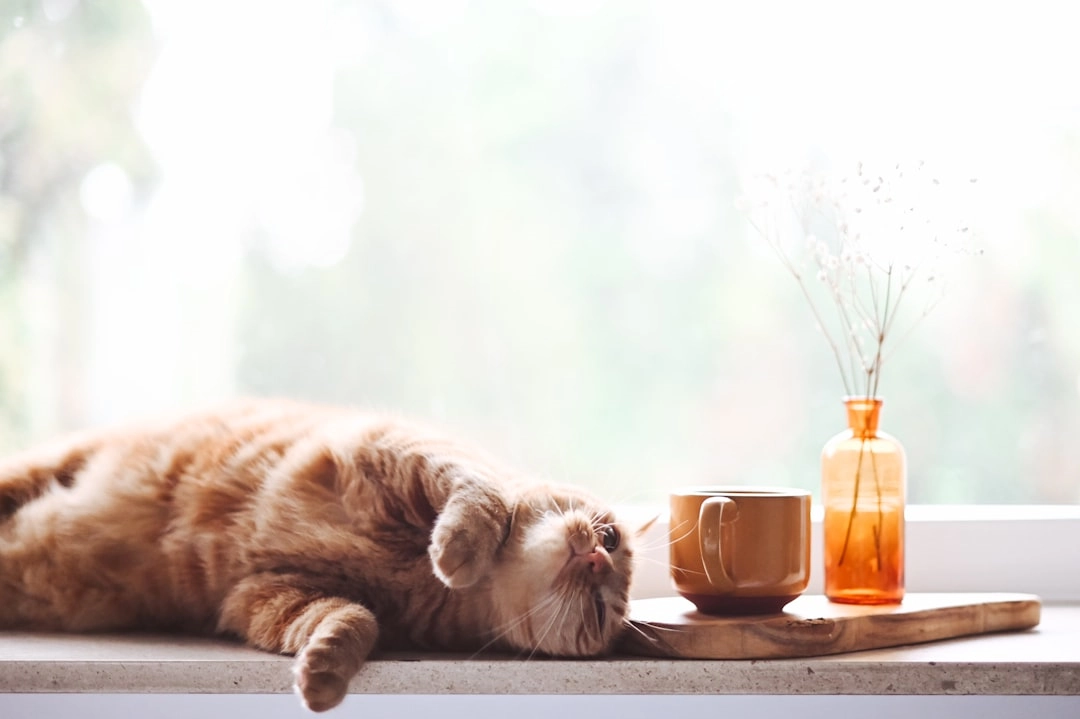
Creating a Harmonious Space for Your Cat
When it comes to our feline friends, understanding their behavior is crucial for creating a harmonious living environment. Cats are not just pets; they are complex creatures with unique personalities and instincts. Did you know that a cat’s behavior can reveal a lot about its emotional state and overall well-being? For instance, a cat that kneads with its paws is not just being cute; it’s expressing comfort and contentment, harking back to its kittenhood when it kneaded its mother to stimulate milk flow. This fascinating aspect of feline behavior is just one of the many reasons why mastering your cat’s space is essential for both their happiness and your peace of mind.
In this blog, we will explore the intricacies of cat behavior and how you can train your pet to use its space effectively. By understanding the natural instincts and behaviors of cats, you can create an environment that caters to their needs while also addressing any behavioral issues that may arise. Whether you are a seasoned cat owner or a new pet parent, this guide will provide you with valuable insights into the world of feline behavior and training.
Decoding Feline Behavior: Insights for Cat Owners
Understanding the natural instincts and behaviors of cats is essential for any cat owner. Cats are instinctual hunters, and their behaviors often reflect their wild ancestry. For example, a cat’s tendency to scratch is not merely a destructive habit; it serves multiple purposes, including marking territory, sharpening claws, and stretching muscles. Recognizing these behaviors allows you to provide appropriate outlets for your cat’s instincts, such as scratching posts or interactive toys.
Common behaviors like purring, kneading, and even the infamous “cat zoomies” can tell you a lot about your cat’s emotional state. Purring is often associated with contentment, but it can also indicate discomfort or distress in some cases. Kneading, as mentioned earlier, is a sign of comfort, while the sudden bursts of energy during zoomies are a way for cats to release pent-up energy. Understanding these behaviors can help you respond appropriately to your cat’s needs, ensuring a happier and healthier pet.
Moreover, breed-specific behaviors can also play a significant role in how your cat interacts with its environment. For instance, Siamese cats are known for their vocal nature and social tendencies, while Maine Coons are often more laid-back and affectionate. By understanding the unique traits of your cat’s breed, you can tailor your approach to training and enrichment, making it easier for your cat to thrive in its space.
In addition to recognizing these behaviors, it’s important to create an environment that caters to your cat’s instincts. This includes providing vertical spaces for climbing, cozy hiding spots for security, and interactive toys that stimulate their hunting instincts. By mastering your cat’s space and understanding their behavior, you can foster a deeper bond with your feline companion while ensuring they feel safe and fulfilled in their home.
Ultimately, the key to mastering your cat’s space lies in observation and understanding. Take the time to watch your cat’s behaviors and learn what they mean. This knowledge will empower you to create a living environment that not only meets your cat’s physical needs but also nurtures their emotional well-being. As you embark on this journey of understanding your cat, you will find that the rewards are immeasurable, leading to a more harmonious and fulfilling relationship with your furry friend.
Effective Training Techniques for Your Cat
Training your cat is not just a good idea; it is essential for fostering a respectful and harmonious living situation for both you and your feline companion. Understanding why training is important can drastically change the dynamics in your home. Cats are intelligent creatures capable of understanding and executing commands, which means they benefit from clear expectations. Training can instill positive behaviors, reduce instances of destructive or problematic habits, and even strengthen your bond with your pet. Studies have shown that cats that receive regular training tend to be happier, as it gives them mental stimulation and fulfills their natural curiosity.
Effective training starts with a solid foundation of positive reinforcement. When using positive reinforcement, rewarding your cat for displaying desirable behaviors promotes repeat occurrences of those actions. This could involve treats, affection, or verbal praises whenever the cat obeys a command or behaves appropriately. Unlike negative reinforcement approaches that may invoke fear or anxiety in animals, positive reinforcement fosters trust and confidence, making for a better-behaved and emotionally stable pet.
To embark on this journey of effective training, consider establishing specific objectives you wish to achieve, such as litter box training, teaching basic commands, or addressing particular behavior challenges like excessive meowing or climbing on counters. Start small—perhaps teaching your cat to ‘sit’ is a good first step. Command your cat using a recognizable cue or verbal command, and when they respond correctly, reward them immediately. By consistently repeating this process, your cat begins to learn expected behaviors and associating them with positive experiences.
Another important aspect is the use of clicker training—a simple yet highly effective method. The clicker sound offers your pet immediate feedback, marking the precise moment they perform the desired action, thereby solidifying their understanding of what is expected. Cats possess shorter attention spans; therefore, quick, and enjoyable training sessions are imperative. Limit these sessions to about 5–10 minutes but ensure they take place multiple times throughout the day.
Tackling Common Cat Behavioral Issues
If your cat starts refusing to use the litter box, it’s essential to consider several factors before assuming behavioral issues at play. One common reason could be related to cleanliness; ensure the litter box is cleaned regularly, as some cats are quite particular about their restroom space. An alternative option might be the choice of litter; experimenting with different types could resolve the matter. In some situations, a visit to the veterinarian may be warranted to rule out any underlying medical conditions.
When excessive grooming occurs, it usually serves as a signal that something is amiss. Cats may lick themselves more when feeling anxious or stressed, so it’s important to identify stressors in their environment. Addressing these anxieties could entail providing additional enrichment activities like puzzle toys and interactive playtime. Regular visits to the veterinarian to monitor your cat’s health can ensure no skin conditions are exacerbating the problem.
Finally, tackling aggression in cats can often feel daunting. Feline aggression may manifest during play, leading to unintended consequences such as bites and scratches. In many instances, what appears to be aggression is actually overstimulation. When kittens display overzealous play patterns, learn when to step in before escalating conflicts occur. Ensuring your pet has adequate space and solitude when needed helps manage frayed nerves. In more severe situations of aggression that are rooted in fear or resource guarding, a behaviorist or pet therapist may provide insight and assistance. Being aware of your cat’s signals and patiently providing solutions is fundamental to tackling behavioral issues effectively.
In conclusion, combining effective training techniques and addressing behavioral issues proactively serves as a keystone in establishing a fulfilling and lasting relationship with your cat. Mastery of this knowledge equips you to create a living environment that not only meets your cat’s emotional and psychological needs, but also enriches your bonding experience. Ultimately, fostering a strong connection paves the way for a joyful partnership.

Enhancing Your Cat’s Life Through Enrichment and Play
Creating an enriching environment for your cat is vital for their overall well-being. Cats, being natural hunters and explorers, require both mental and physical stimulation to thrive. Enrichment activities can prevent behavioral issues that arise from boredom or pent-up energy, making it essential for any cat owner to understand the significance of providing varied play opportunities.
Mental stimulation can come in various forms, including interactive toys, puzzle feeders, and training exercises. These activities not only keep your cat entertained but also challenge their problem-solving abilities. For instance, puzzle feeders encourage cats to work for their food, which taps into their instinctual hunting behaviors. This type of enrichment can be especially beneficial for indoor cats who may not have the same opportunities to explore and hunt as outdoor cats.
Physical stimulation is equally important. Regular playtime can help maintain your cat’s physical health by promoting exercise and reducing the risk of obesity. Engaging in interactive play sessions using toys like feather wands or laser pointers allows cats to mimic hunting behaviors, giving them the satisfaction of a successful ‘catch.’ Furthermore, these play sessions help strengthen the bond between you and your cat, fostering a trusting and loving relationship.
Creating a variety of enrichment options is key to keeping your cat engaged. This can include providing scratching posts, climbing trees, and cozy hideaways that allow your cat to express its natural behaviors. Rotate toys regularly to maintain novelty, as cats can become bored with the same items over time. Introducing new toys or activities periodically keeps your cat stimulated and interested in their environment.
It’s also important to consider the environment in which your cat lives. Providing vertical spaces, such as shelves or cat trees, can encourage climbing and exploration. Cats are instinctively drawn to high places, where they can observe their surroundings from a safe vantage point. This not only satisfies their natural curiosity but also provides a sense of security, reducing stress and anxiety.
Overall, investing time and resources into enriching your cat’s environment is a worthwhile endeavor. By offering diverse play options and engaging activities, you can help prevent behavioral issues and ensure your feline friend remains happy, healthy, and well-adjusted. A well-stimulated cat is a content cat, leading to a more peaceful household for both you and your pet.
Clearing Up Myths: FAQs About Cat Behavior and Training
As a cat owner, you may have encountered various misconceptions regarding feline behavior and training. Addressing these myths is crucial for creating a better understanding of your pet’s needs and ensuring a harmonious relationship. Let’s tackle some common questions and misconceptions that many cat owners face.
One prevalent myth is that cats are inherently aloof and do not require social interaction. While it is true that cats have a reputation for being independent, this does not mean they do not enjoy or need social engagement. Many cats thrive on companionship, whether it’s with their human family members or other pets. Providing social interaction through playtime, petting, and simply spending time together can significantly enhance your cat’s emotional well-being.
Another common misconception is that training a cat is impossible. Unlike dogs, cats do not respond to commands in the same way; however, they can be trained using positive reinforcement techniques. Cats can learn to follow commands, use the litter box, and even perform tricks. The key is to use rewards that motivate them, such as treats or affection, and to be patient and consistent in your training efforts.
Some people also believe that cats can be left alone for extended periods without any consequences. While cats are generally more independent than dogs, they still require attention, mental stimulation, and interaction. Leaving a cat alone for too long can lead to boredom, anxiety, and behavioral issues. It is essential to provide enrichment activities and consider the social needs of your cat, especially if you will be away for an extended period.
Additionally, there is a myth that declawing a cat is a harmless procedure. In reality, declawing is a painful surgical procedure that involves the amputation of the last bone in each toe. This can lead to physical and behavioral issues, including chronic pain, litter box aversion, and increased aggression. It is crucial to provide appropriate scratching alternatives, such as scratching posts and pads, to satisfy your cat’s natural scratching instincts without resorting to declawing.
Lastly, many cat owners wonder if their cats can be trained to use the toilet instead of a litter box. While there are products and guides available for toilet training cats, it is not always a successful endeavor. Cats have a natural instinct to bury their waste, and forcing them to use a toilet can cause stress and anxiety. It is generally recommended to stick with a litter box and focus on keeping it clean and appealing to your cat.
By addressing these misconceptions and understanding your cat’s behavior and training needs, you can create a more enriching and supportive environment for your feline friend. Educating yourself about cat care will not only enhance your relationship with your pet but also contribute to their overall happiness and well-being.
