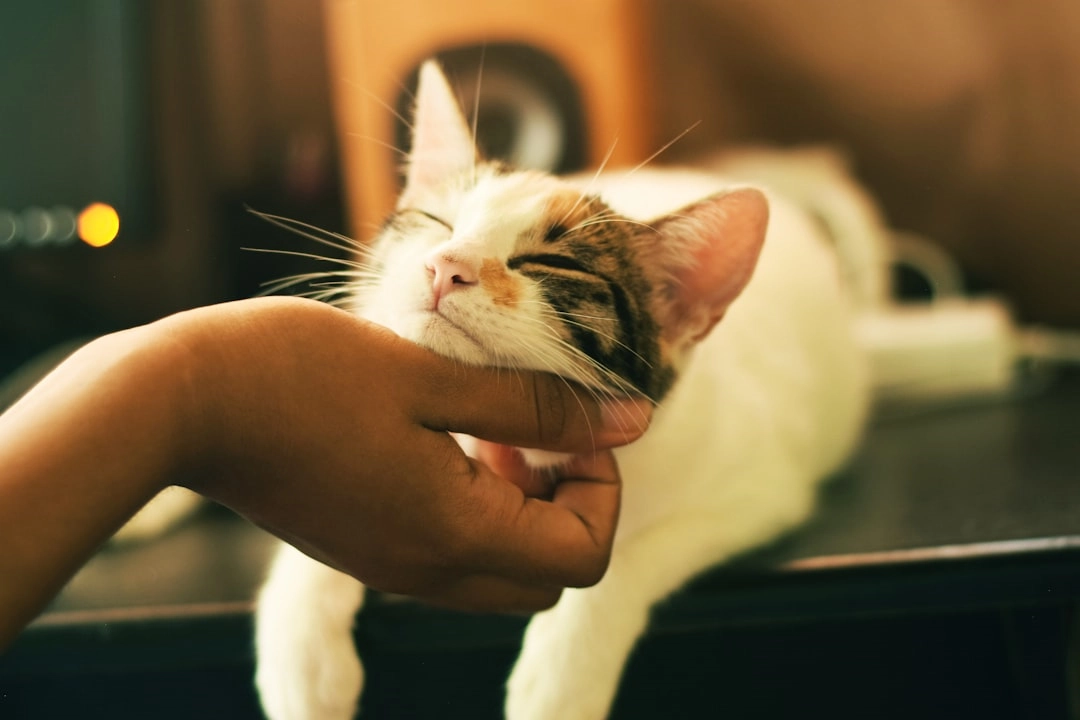
Unlocking the Secrets of Dynamic Cat Training
Dynamic cat training is an exciting and rewarding journey that not only enhances the bond between you and your feline friend but also enriches their lives. Many cat owners often wonder how to engage their cats in a way that stimulates their minds and bodies. Did you know that cats are not just independent creatures but also highly trainable? With the right techniques, you can unleash your cat’s potential, turning them into a more dynamic and interactive companion. This blog post will explore the fascinating world of cat training, focusing on understanding feline behavior and how to effectively train your pet for a more fulfilling life.
Decoding Feline Behavior: The Key to Effective Training
To embark on the journey of dynamic cat training, it is essential to first understand the basics of feline psychology. Cats are complex creatures with a rich tapestry of instincts and behaviors that shape their interactions with the world around them. Unlike dogs, who have been bred for thousands of years to work alongside humans, cats have retained much of their wild instincts. This means that understanding their natural behaviors is crucial for effective training.
One of the most fundamental aspects of feline behavior is their hunting instinct. Cats are natural hunters, and this instinct drives many of their actions. Even domestic cats, who may never hunt for their food, exhibit behaviors such as stalking, pouncing, and capturing imaginary prey. This innate drive can be harnessed during training sessions by incorporating play that mimics hunting. Using toys that resemble prey, such as feather wands or laser pointers, can engage your cat’s instincts and make training sessions more enjoyable.
Another important behavior to consider is the way cats communicate. Felines use a combination of vocalizations, body language, and scent marking to express their feelings and intentions. Understanding these signals can help you respond appropriately to your cat’s needs. For instance, a cat that is purring may be content, while one that is hissing or swatting may be feeling threatened or annoyed. By recognizing these cues, you can create a positive training environment that respects your cat’s boundaries.
Common behaviors such as kneading, scratching, and grooming also play a significant role in a cat’s life. Kneading, often referred to as “making biscuits,” is a behavior that stems from kittenhood when they knead their mother’s belly to stimulate milk flow. This behavior can be comforting for cats and is often seen when they are relaxed. Encouraging this behavior in a designated area can help redirect it away from your furniture.
Scratching is another natural behavior that serves multiple purposes, including marking territory and maintaining claw health. Providing appropriate scratching posts and encouraging their use can prevent destructive scratching while allowing your cat to express their natural instincts. Training your cat to use these posts can be achieved through positive reinforcement, rewarding them with treats or praise when they use the designated areas.
Grooming is a vital part of a cat’s daily routine, not only for hygiene but also for bonding. Cats often groom each other as a sign of affection and trust. Incorporating grooming into your training sessions can strengthen your bond and help your cat become more comfortable with handling. Using treats and gentle strokes can make grooming a positive experience, reducing stress for both you and your feline companion.
It’s also essential to recognize that behavior can vary significantly among different breeds. For example, Siamese cats are known for their vocal nature and social tendencies, while Maine Coons are often more laid-back and independent. Understanding these breed-specific traits can help tailor your training approach to suit your cat’s unique personality.
In conclusion, unlocking the secrets of dynamic cat training begins with a deep understanding of feline behavior. By recognizing and respecting your cat’s natural instincts, communication styles, and individual quirks, you can create a training environment that is both effective and enjoyable. This foundation will not only enhance your cat’s skills but also strengthen the bond you share, leading to a more dynamic and fulfilling relationship.
The Essential Guide to Dynamic Cat Training
Training your cat is not merely a luxury; it’s an essential facet of responsible pet ownership. It impacts both the well-being of your feline friend and the harmony within your household. Cat training is a process through which you can provide your furry companion with the knowledge and skills needed to thrive in a domestic environment. Not only does this process enrich the mental and physical health of your cat, but it also significantly enhances the bond you share. With the right approaches, cat training can be a fun, fulfilling, and effective way to teach your feline essential life skills, making them a more well-behaved and engaging pet.
At its core, feline training operates on the foundational principles of how cats learn. Kitties, much like humans and other animals, acquire new skills and behaviors through reinforcement. Research shows that positive reinforcement—rewarding desired behaviors rather than punishing undesirable ones—is the most effective method when working with cats. It is always important to keep in mind that cats operate on their terms and timing. Therefore, sessions should be kept short and enjoyable to maintain their attention and enthusiasm.
The importance of socialization is another critical element in dynamic cat training. Cats are inherently curious creatures. Early interactions with various stimuli, environments, and people can lay the groundwork for reducing anxiety or fear-related issues later in life. Essentially, proper training and social exposure help mold the way your cat behaves in everyday situations. A cat that feels safe and prepared will be more likely to respond positively and engage willingly rather than react out of stress or fear.
Teaching your cat tricks can have numerous benefits as well. Not only is it a fun bonding experience, but it provides mental stimulation for both parties involved. Some examples include teaching your cat to sit, stay, or even come when called. There are countless online resources, videos, and guides to assist you in creating a tailored training approach suitable for your furry friend.
In addition, basic commands and behaviors can assist in daily routines like feeding, vet visits, and grooming. Habituating your cat to various handling skills can create a less-stressful atmosphere when it’s time to go to the vet or administer treatments at home. Understanding these different situations also equips your feline to adapt better, fostering independence while curtailing risk factors.
Tackling Common Cat Behavioral Challenges
When living with a feline friend, you might encounter a variety of behavioral challenges. Addressing such issues requires you to understand the driving factors behind these behaviors and to incorporate suitable remedies. When issues arise, the first question to consider is whether the behavior is a natural instinct, an unmet need, or a sign of emotional distress.
Some common behavioral issues experienced by cat owners include litter box aversion, destructive scratching, aggression, excessive vocalization, and anxiety-related conditions. Identifying and addressing these behaviors requires persistence, patience, and a keen awareness of feline psychology.
For example, if your cat refuses to use the litter box, there might be several reasons—from health concerns and inappropriate placement to litter preferences or behavioral stressors. The first step you should consider is to consult a veterinarian. Health issues must always be ruled out, as medical conditions often play a pivotal role in behavioral changes.
Once health conditions have been addressed, it might help to change litter box types, brands, or locations to see if your cat shows preferences that will encourage usage. Familiarize your cat with new changes gradually to reduce anxiety. It’s imperative to promote positive association with the litter box, rewarding your feline when using it to develop good litter habits.
Destructive scratching is another significant issue frequently faced by cat owners. Cats need a surface to scratch for marking territory and maintaining claw health. Providing proper scratching posts can drastically alter a cat’s behavior. Experimenting with materials and types ensures you get what suits your feline’s personal scratching interests. You can employ techniques, such as covering designated scratching zones with cat-friendly material or rewarding them each time they use an appropriate post to combat scratching inappropriate surfaces.
Understanding the rationale behind aggression is another key factor when addressing behavioral problems. Often, feline aggression can stem from fear, stress, or territorial disputes, rather than inherent problematic tendencies. Identifying the triggers will allow for informed steps toward modification. Mitigating triggers through environmental changes, like creating distinct areas for various resources (such as food, water, and litter boxes), fosters a less confrontational setting between multi-cat households.
Learning to work together with your cat improves overall well-being—both for the furry inhabitants and the humans they live with. Rewarding positive behaviors, transitioning appropriately, and providing an enriched environment addresses various challenges you may face along your dynamic cat training journey.
Ultimately, successful training will lead to enhanced confidence and comfort within your feline friend. Continuous observation will foster better management of your cat’s unique personality and behavior, producing a household founded on communication, trust, and mutual respect. Together, both of you will experience the full benefits of owning a well-rounded, vibrant feline.

Boosting Your Cat’s Well-Being Through Play and Enrichment
Creating an enriching environment for your cat is paramount for their overall health and happiness. Just like humans, cats require mental and physical stimulation to thrive. Enrichment can come in various forms, including interactive toys, climbing structures, scratching posts, and even training sessions. These activities are crucial for preventing behavioral issues that may arise from boredom or lack of stimulation. When cats are engaged, they are less likely to exhibit destructive behaviors, anxiety, or aggression, leading to a more harmonious household.
The importance of mental stimulation cannot be overstated. Cats are natural hunters, and their instinctual behaviors can be nurtured through engaging play. By simulating hunting scenarios with toys that mimic prey, such as feather wands or laser pointers, you can provide an outlet for their predatory instincts. This not only keeps them physically active but also mentally engaged, reducing stress and anxiety levels. Furthermore, puzzle toys that dispense treats can challenge your cat’s problem-solving skills, offering them both a reward and a sense of accomplishment.
Physical stimulation is equally important for your cat’s well-being. Regular playtime helps maintain a healthy weight and prevents obesity, which is a growing concern among domestic cats. Engaging your cat in activities that require jumping, climbing, and running can keep their bodies in shape. Interactive play sessions can also be a bonding experience, allowing you to connect with your feline companion on a deeper level.
Additionally, providing various types of enrichment can cater to different aspects of your cat’s personality. Some cats are more social and enjoy interactive play with their owners, while others may prefer solo activities. Offering a range of options, such as toys that can be batted around or even DIY enrichment projects like hiding treats around the house, can cater to your cat’s individual preferences and encourage exploration and play.
Environmental enrichment is also essential. Creating vertical spaces, such as cat trees or shelves, can satisfy a cat’s natural climbing instincts and provide them with a vantage point to observe their surroundings. This can reduce stress and territorial disputes, especially in multi-cat households. Providing cozy hiding spots or safe spaces where your cat can retreat also contributes to their overall comfort and security.
Debunking Myths and Clarifying Common Questions About Cat Training
As you embark on your journey of dynamic cat training, you may encounter various questions and misconceptions that can cloud your understanding. Addressing these common queries is crucial for successful training and building a strong relationship with your feline companion.
One of the most prevalent misconceptions is that cats cannot be trained like dogs. While it’s true that cats have different learning styles and motivations, they are indeed trainable. Cats respond well to positive reinforcement techniques, which reward them for desired behaviors. Using treats, praise, or playtime as rewards can effectively teach your cat commands and tricks. Training sessions should be kept short and enjoyable to maintain your cat’s interest and focus.
Another common question is whether cats can learn to obey commands. The answer is yes, but it may take more patience and consistency than training a dog. Cats often have their own agenda, so it’s essential to find what motivates them. Whether it’s a favorite treat or a beloved toy, identifying your cat’s incentives will help in the training process. Commands like “sit,” “stay,” or “come” can be taught through repetitive practice and rewards, gradually reinforcing the behavior over time.
Some people believe that playtime is solely for entertainment and does not serve a purpose beyond fun. However, playtime is crucial for your cat’s mental and physical health. Engaging in regular play helps reduce boredom, which can lead to behavioral problems. Providing a mix of interactive play, solo activities, and environmental enrichment ensures that your cat’s needs are met, promoting a well-rounded and happy feline.
Additionally, many owners may wonder if their cats will naturally engage in play without any prompting. While some cats are naturally playful, others may require encouragement. Introducing toys gradually and engaging in interactive play can spark interest. It’s essential to observe your cat’s preferences and adapt your approach accordingly, offering a variety of toys and activities to discover what they enjoy the most.
Another misconception is that training is a one-time event rather than an ongoing process. Training is an evolving journey that requires consistency and patience. Cats can learn new behaviors throughout their lives, and reinforcing these behaviors regularly will ensure they remain well-behaved and engaged. Short, frequent training sessions will keep your cat interested and make the process more enjoyable for both of you.
Lastly, some cat owners might question whether certain breeds are more trainable than others. While it’s true that individual personalities vary, all cats possess the capacity to learn and adapt. Some breeds may exhibit more sociable and trainable traits, while others may be more independent. Understanding your cat’s unique personality will help you tailor your training approach and foster a positive learning environment.
By addressing these common questions and misconceptions, you can approach dynamic cat training with confidence and clarity. Remember, the goal is to create a fulfilling and enriching environment that nurtures your cat’s instincts while promoting positive behaviors. Through patience, consistency, and understanding, you can unlock your feline’s potential and enjoy a harmonious relationship with your beloved companion.
