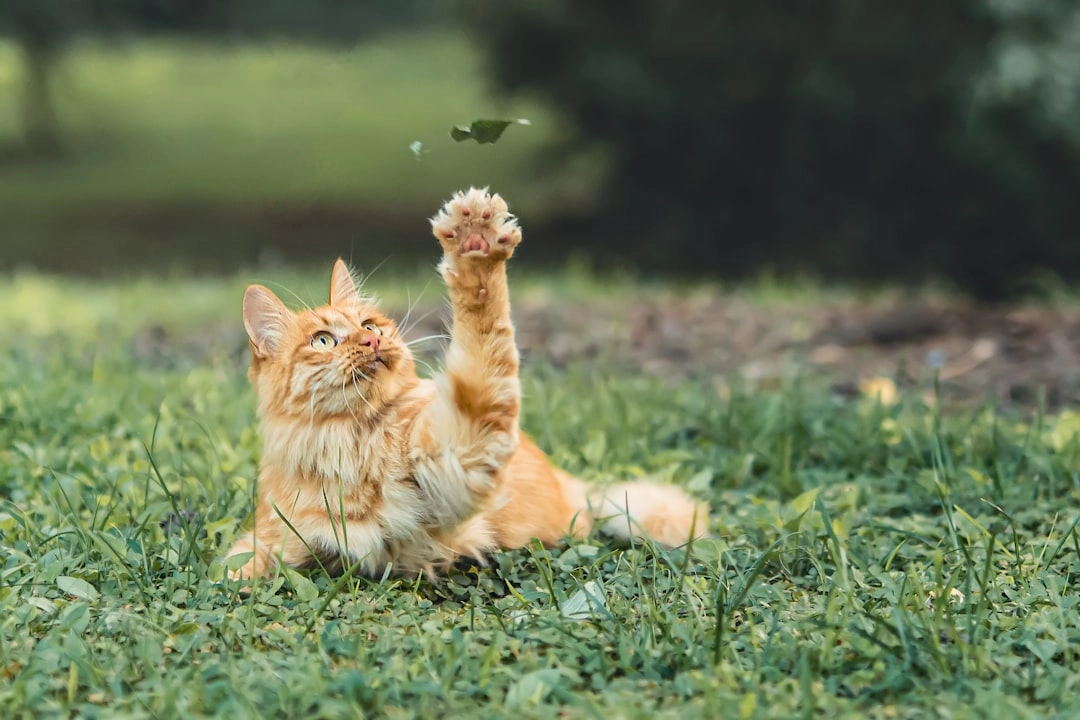
Discovering Feline Freedom: The Art of Gentle Room Wandering
Feline freedom is a captivating concept that resonates deeply with cat owners and enthusiasts alike. Cats are known for their independent nature, and understanding their behavior is crucial for creating an environment that allows them to thrive. One of the most intriguing aspects of feline behavior is their tendency to explore their surroundings, often referred to as “gentle room wandering.” This behavior not only showcases their natural instincts but also highlights the importance of providing a safe and enriching space for our feline friends.
Did you know that cats can spend up to 70% of their waking hours exploring their environment? This statistic underscores the significance of understanding how to facilitate their natural curiosity. Gentle room wandering is not just a whimsical activity; it is an essential part of a cat’s daily routine that contributes to their physical and mental well-being. By allowing our cats to roam freely within a safe space, we can help them engage in instinctual behaviors that promote their overall happiness.
As we delve into the world of feline freedom, we will explore the various aspects of gentle room wandering, including the psychological underpinnings of this behavior, the benefits it offers, and how we can create an environment that encourages exploration. Understanding these elements will not only enhance our relationship with our cats but also ensure that they lead fulfilling lives.
Decoding Feline Behavior: The Psychology Behind Gentle Room Wandering
To truly appreciate the phenomenon of gentle room wandering, it is essential to understand the basics of feline psychology. Cats are inherently curious creatures, driven by their instincts to explore, hunt, and engage with their environment. This exploration is not merely a pastime; it is a fundamental aspect of their behavior that stems from their evolutionary history as solitary hunters.
One of the most notable traits of cats is their keen sense of smell, which plays a significant role in their exploration. Cats have a highly developed olfactory system, allowing them to detect scents that are imperceptible to humans. This ability drives them to investigate new areas, sniffing out potential food sources or identifying the presence of other animals. When a cat wanders through a room, they are not just moving aimlessly; they are actively gathering information about their surroundings.
In addition to their sense of smell, cats also rely on their acute hearing and vision to navigate their environment. Their eyes are adapted for low-light conditions, enabling them to see well in dimly lit spaces. This adaptation is particularly useful for their natural hunting instincts, as they can spot potential prey even in the shadows. As a result, when a cat engages in gentle room wandering, they are tapping into their innate abilities to assess their territory and identify any changes or new stimuli.
Common behaviors exhibited during gentle room wandering include purring, kneading, and scratching. Each of these actions serves a purpose in a cat’s exploration. For instance, purring is often associated with contentment, but it can also indicate a cat’s desire for comfort and security while they explore. Kneading, on the other hand, is a behavior that originates from kittenhood, where they knead their mother’s belly to stimulate milk flow. Adult cats may continue this behavior as a way to mark their territory and create a sense of comfort in their environment.
Scratching is another essential behavior that often accompanies gentle room wandering. Cats have a natural instinct to scratch surfaces, which helps them maintain their claws and mark their territory. Providing appropriate scratching posts and surfaces can encourage this behavior, allowing cats to express their natural instincts while keeping your furniture safe.
Understanding these common behaviors is crucial for cat owners who wish to create an enriching environment for their pets. By recognizing the significance of gentle room wandering and the behaviors associated with it, we can better cater to our cats’ needs and enhance their overall quality of life.
Moreover, it’s important to note that different breeds may exhibit varying behaviors during their explorations. For example, some breeds, like the Abyssinian, are known for their high energy and curiosity, often seeking out new experiences and challenges. In contrast, breeds like the Persian may prefer a more laid-back approach to exploration, enjoying quiet corners and cozy spots. Understanding these breed-specific behaviors can help owners tailor their environments to suit their cats’ unique personalities and preferences.
In conclusion, gentle room wandering is a vital aspect of feline behavior that reflects their natural instincts and psychological needs. By fostering an environment that encourages exploration, we can enhance our cats’ well-being and strengthen the bond we share with them. As we continue to explore the intricacies of feline freedom, we will uncover more ways to support our cats in their journey of discovery.
Empowering Cats Through Effective Training Strategies
When it comes to feline freedom and the nuances of gentle room wandering, training is a vital component that can significantly enhance the bond between cat owners and their pets. While many may assume that cats are inherently self-sufficient and require little training, the truth is that proactive engagement in their upbringing can lead to a better understanding of their behavior and foster a harmonious coexistence. So, why is training important for our furry companions?
Training is not merely about teaching a cat to perform tricks; it’s about establishing a mutual language through which an owner and their feline can understand each other better. Positive reinforcement methods, such as using treats or praise, motivate cats to repeat desirable behaviors while steering them away from undesirable ones. This proactive approach helps prevent behavioral problems down the line, which could arise from misunderstandings or unmet needs.
Moreover, training serves as a mental stimulus that caters to a cat’s curiosity. When engaged in training exercises, a cat utilizes their intellect, which provides vital enrichment. This stimulation leads to improved emotional and physical well-being, encouraging behaviors such as gentle room wandering by fostering confidence in exploring their environment. Consequently, a well-trained cat not only navigates their surroundings safely but also experiences less anxiety regarding unfamiliar spaces.
To successfully train a cat, it’s essential to employ positive reinforcement techniques that capitalize on their motivations and instincts. Many cats respond well to clicker training—a method that associates a sound with a reward. By presenting a treat immediately following a click, owners can effectively instill desired behaviors, creating a clear link between the action and the reward.
Implementing this approach begins with breaking down training sessions into manageable steps. First, owners should identify the behaviors they wish to promote, such as walking calmly on a leash or associating the scratching post as the primary spot for clawing. Starting with short, fun training sessions of around 5-10 minutes helps maintain a cat’s interest, gradually building up to more complex tasks as the cat becomes proficient. Importantly, owners must always observe their cats and stop if signs of frustration or disinterest arise, adjusting their approach to make learning enjoyable.
Additionally, establishing a routine is beneficial for pets, as they thrive on predictability. Regular practice reinforces learned behaviors and ensures that the desired actions remain fresh in a cat’s memory. Making sure that training sessions are casual and fluid can contribute to a positive experience while consolidating the lessons learned.
Navigating Common Behavioral Challenges
Another frequent behavioral challenge is scratching, which is a natural and instinctual behavior for cats. Instead of viewing scratching as a nuisance, it’s essential to understand its relevance; cats utilize scratching to mark territory and shed their claws. To combat destructive scratching on furniture, providing adequate alternatives, such as dedicated scratching posts and pads, offers a positive outlet for their instinctual behavior. Placing these in desirable locations, coupled with rewards for using them, encourages cats to engage in acceptable scratching behaviors.
Addressing aggression or overly territorial behaviors is a more complex scenario, often stemming from stress or fear. Recognizing early warning signs such as hissing or growling is essential, as ignoring such cues can escalate into physical confrontations. Creating a “safe zone” for the cat with essential resources can serve as a retreat that alleviates their anxiety. Additionally, using a desensitization technique, such as gradually introducing other pets into the household while keeping the peace, often assists in mitigating such aggressions.
With overly vocal behaviors, once again identifying the triggers—be it hunger, boredom, or a desire for attention—is fundamental for finding solutions. Establishing regular routines for feeding and playtime can help manage expectations, hence reducing instances of cats vocalizing inappropriately for attention. Sufficient engagement through toys, play, and mental stimulation can dramatically decrease their needs to vocalize excessively out of boredom.
While addressing feline behavioral issues is often achievable through a proactive and understanding approach, seeking professional assistance is sometimes necessary. If persistently problematic behavior occurs, despite corrective efforts, consulting an animal behaviorist or a veterinarian can provide additional insight into dealing with such complexities. These professionals can offer tailored guidance through the intricacies of addressing these challenges to foster a more harmonious relationship between the cat and its owner.
In conclusion, empowering cats through effective training strategies while ensuring the ability to navigate common behavioral challenges paves the way for enriching their experience as indoor pets. The results yield positive not just for the cat’s well-being but undoubtedly affect the bonds shared with human caregivers, who find themselves appreciated alongside their well-adjusted feline companions. Building such insights into training while adhering to positive techniques can wholly transform behaviors for the better.

Enhancing Feline Freedom: The Role of Enrichment and Play
Creating an environment that supports gentle room wandering is essential for promoting a cat’s mental and physical well-being. Enrichment and play are vital components of this process, as they provide cats with the stimulation they need to thrive. Understanding the importance of mental and physical stimulation can help prevent behavioral issues and ensure that our feline friends remain happy and engaged in their surroundings.
Mental enrichment is crucial for cats, as it caters to their natural instincts and intelligence. When cats are provided with opportunities to explore, problem-solve, and engage with their environment, they are less likely to develop boredom-related behavioral issues. Boredom can lead to destructive behaviors, such as scratching furniture or excessive meowing, as cats seek out stimulation. By offering various enrichment activities, owners can significantly reduce these issues and promote a more harmonious living environment.
Physical stimulation is equally important for a cat’s overall health. Cats are natural hunters, and their instincts drive them to engage in play that mimics hunting behaviors. Providing toys that encourage chasing, pouncing, and stalking can help fulfill these instincts and keep cats physically active. Engaging in interactive play with their owners not only strengthens the bond between cat and human but also allows cats to expend energy in a healthy way.
There are various ways to incorporate enrichment and play into a cat’s daily routine. Puzzle toys filled with treats can challenge a cat’s intellect while rewarding them for their efforts. These toys encourage problem-solving skills and can keep a cat occupied for extended periods. Additionally, rotating toys regularly helps maintain novelty, preventing cats from losing interest.
Another effective method for enriching a cat’s environment is creating vertical spaces. Cats love to climb and observe their surroundings from high vantage points. Providing cat trees, shelves, or window perches allows them to explore their territory from different heights and perspectives. This vertical enrichment caters to their natural climbing instincts and provides mental stimulation as they navigate their space.
Moreover, incorporating playtime into a cat’s daily schedule is essential for promoting physical activity. Interactive toys, such as feather wands or laser pointers, encourage cats to chase and leap, mimicking their hunting behavior. Regular play sessions not only help maintain a healthy weight but also provide an outlet for pent-up energy, ultimately reducing stress and anxiety.
Creating a routine that includes both mental and physical stimulation can significantly improve a cat’s overall quality of life. Establishing set times for play and exploration allows cats to anticipate and engage in activities that fulfill their natural instincts. As a result, a well-enriched environment can lead to happier, healthier, and more well-adjusted feline companions.
Clearing Up Misconceptions: Understanding Feline Behavior and Needs
When it comes to feline behavior and the concept of gentle room wandering, there are several common questions and misconceptions that often arise. Addressing these misunderstandings can help cat owners provide better care for their pets and foster a deeper appreciation for their unique needs.
One prevalent misconception is that cats are solitary animals that do not require social interaction or companionship. While it is true that cats have a reputation for being independent, they are social creatures that thrive on interaction with their owners and other pets. Many cats enjoy spending time with their humans, seeking affection and playtime. It is essential for cat owners to recognize their pet’s social needs and provide opportunities for bonding through play and engagement.
Another common myth is that indoor cats do not need enrichment or stimulation since they are not exposed to the dangers of the outside world. In reality, indoor cats require just as much mental and physical stimulation as outdoor cats. Without adequate enrichment, indoor cats can become bored and develop behavioral issues. Providing toys, climbing structures, and interactive playtime is crucial for keeping indoor cats engaged and satisfied.
Some people also believe that all cats are naturally skilled at using scratching posts and that training is unnecessary. While many cats have an instinct to scratch, not all will instinctively know where it is appropriate to do so. Owners should actively encourage the use of scratching posts by placing them in strategic locations and rewarding their cats when they use them. Understanding that training and positive reinforcement are essential components of encouraging desired behaviors can help mitigate potential conflicts between cats and their owners.
Another frequent misconception is that cats do not require regular veterinary care as long as they appear healthy. In reality, routine veterinary check-ups are vital for maintaining a cat’s health and addressing any potential issues before they become serious. Preventive care, vaccinations, and dental health are all crucial aspects of feline well-being that should not be overlooked.
Lastly, some owners may think that all cats are alike and have the same behavioral needs. However, individual personalities and breed-specific traits can significantly influence a cat’s behavior and preferences. Understanding a cat’s unique characteristics, whether they are more playful, shy, or curious, allows owners to tailor their approach to meet their specific needs effectively.
By addressing these misconceptions and fostering a better understanding of feline behavior, cat owners can create a nurturing environment that promotes the well-being of their pets. Emphasizing the importance of social interaction, enrichment, training, and regular veterinary care will ultimately lead to happier, healthier, and more fulfilled cats.
