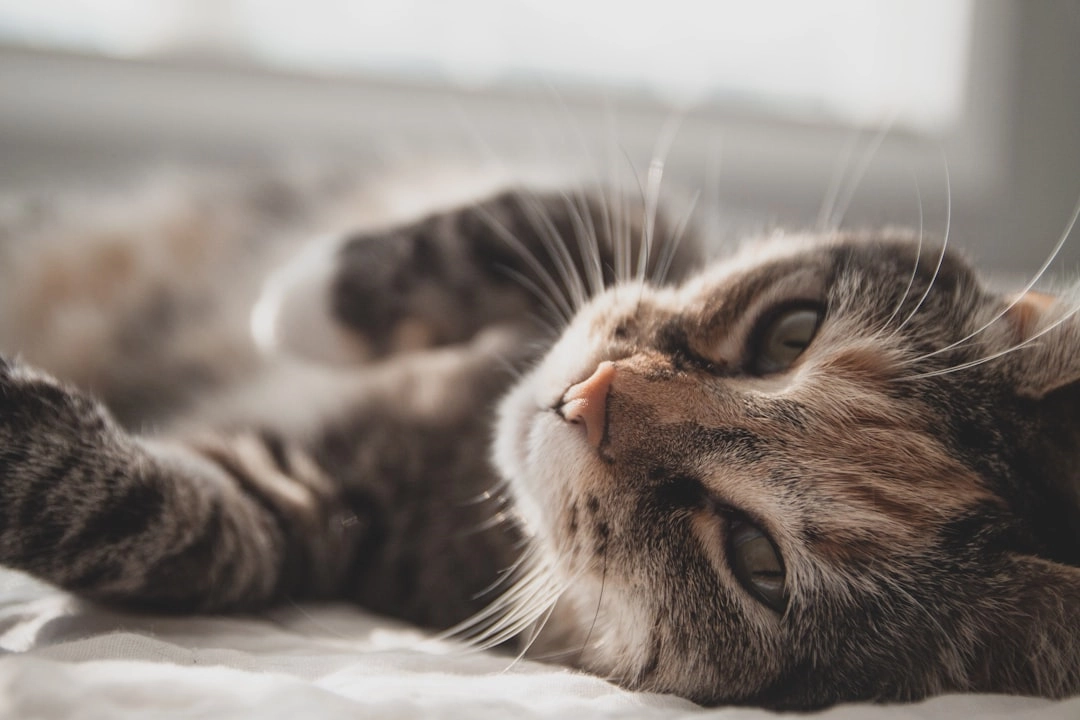
Unlocking Feline Freedom: The Art of Controlled Room Wandering
Feline freedom is a concept that resonates deeply with cat owners and enthusiasts alike. Cats are known for their independent nature, often exhibiting behaviors that reflect their innate instincts and desires. One intriguing aspect of feline behavior is their tendency to explore their environment, which can be both a source of joy and concern for pet owners. Understanding how to manage this exploration through controlled room wandering can enhance the well-being of our feline friends while ensuring their safety. Did you know that cats can roam up to 2 miles in search of food and territory? This natural instinct to wander is rooted in their evolutionary history as solitary hunters. However, in a domestic setting, this instinct can lead to challenges, especially when it comes to keeping our cats safe and content within the confines of our homes.
In this blog post, we will delve into the fascinating world of feline behavior, focusing on the concept of controlled room wandering. By understanding the motivations behind your cat’s desire to explore, you can create an enriching environment that satisfies their curiosity while maintaining a sense of security. This approach not only fosters a stronger bond between you and your pet but also promotes their mental and physical health.
Decoding Feline Behavior: Insights into Your Cat’s Mind
To effectively manage your cat’s wandering tendencies, it’s essential to grasp the basics of feline psychology. Cats are complex creatures with a rich tapestry of behaviors that stem from their evolutionary background. Understanding these behaviors can help you create a harmonious living space that caters to their needs.
One of the most fundamental aspects of feline behavior is their natural instincts. Cats are instinctual hunters, and their desire to explore is closely tied to their predatory nature. In the wild, cats would spend a significant portion of their day hunting for food, which involves traversing various terrains and investigating potential hiding spots for prey. This instinctual drive is still present in our domestic cats, even if their food is readily available in a bowl.
Common behaviors such as purring, kneading, and scratching are all manifestations of a cat’s emotional state and instinctual drives. For instance, purring is often associated with contentment, but it can also indicate stress or discomfort. Kneading, a behavior where cats push their paws in and out against a soft surface, is a remnant of kittenhood, where they knead their mother’s belly to stimulate milk flow. Scratching serves multiple purposes, including marking territory, maintaining claw health, and stretching muscles.
Moreover, breed-specific behaviors can also play a significant role in how your cat interacts with their environment. For example, Siamese cats are known for their vocal nature and social tendencies, while Maine Coons are often more laid-back and enjoy a slower pace of life. Understanding these breed characteristics can help you tailor your approach to managing their wandering behavior effectively.
Creating a controlled environment for your cat involves recognizing their need for exploration while providing boundaries that ensure their safety. This can be achieved through various means, such as setting up designated play areas, using cat trees, and providing interactive toys that stimulate their natural instincts. By offering a space where they can safely explore and engage with their surroundings, you can satisfy their curiosity without compromising their well-being.
In conclusion, mastering the art of controlled room wandering for your feline friend requires a deep understanding of their behavior and instincts. By recognizing the motivations behind their desire to explore, you can create an enriching environment that promotes their happiness and health. As you embark on this journey of understanding your cat’s behavior, you’ll not only enhance their quality of life but also strengthen the bond you share with your beloved pet.
Enhancing Connection Through Effective Feline Training
Training your cat may initially appear daunting, but understanding its significance can create a bridge of communication and connection between you and your furry friend. The importance of training can’t be overstated; it’s fundamental not only for the benefit of the animal but also for the owner. Through training, cats can develop important skills that help them engage positively with their human counterparts and navigate the intricacies of their environment with confidence.
At its core, training promotes a safer living environment, allowing your feline companion to understand house rules while channeling their energies in constructive ways. For instance, litter box training ensures that cats maintain their hygiene without frequent issues, thus strengthening their behavioral routines. Such routines provide a certain structure within your household, keeping the animal secure and happy. Owners witness an increase in positive behaviors such as playful interaction, cooperation during grooming, and general sociability, further deepening the bond that exists between pet and owner.
Positive reinforcement is the most effective approach for feline training. This technique involves rewarding your cat for desirable behaviors instead of focusing on negative behaviors that should be discouraged. By utilizing treats, verbal praises, or encouraging touches when they follow commands or show desirable behaviors, cats learn quickly what is expected of them. Studies suggest that animals trained using positive reinforcement demonstrate more trust towards their humans, becoming happier, more relaxed pets in the process. Remember, patience and consistency are critical traits to employ throughout the training journey; building your cat’s self-confidence to embrace their capabilities reinforces your teaching and contributes to their well-rounded personality.
Step-by-step guides for cat training can encompass varied skills including; responding to their name, using a scratch post, entering their carrier for trips, or mastering litter box usage. Each command or skill should be approached as an individual lesson: start small. For example, initially treat the response to their name. Call it gently several times with heightened praise at the instant they make the slightest move toward you. Reward immediately, so your cat connects their action to its reward. Incremental training sessions structured around intervals throughout the day or several times a week rather than an intensive ‘once-a-week class,’ allows the feline to integrate multiple short-learning periods into their routines with little distraction. This strategy caters efficiently to a cat’s fragmented concentration, achieving successive mastery over time.
Tackling Behavioral Concerns for Harmonious Living
Addressing behavioral issues in cats demands attentiveness, compassion, and commitment. Recognizing behavioral problems often encountered in felines — be it excessive meowing, litter box avoidance, aggression, or scratching — is the first pivotal step toward resolution. It’s worthwhile to cultivate an understanding of the factors contributing to these behaviors: Cats are not only governed by instinct but also experience fear, frustration, and territorial battles of wits.
Understanding why these issues arise provides essential insights into remedial action plans. For example, if your cat shies away from the litter box suddenly or begins eliminating elsewhere, discerning any external contributors leading to emotional distress or change of habits proves crucial. This might involve stressful circumstances like a new home, integration of new pets, or adjustments in routine schedules affecting comfort. Additionally, identifying that litter box issues stem not only from poor location choice but also texture preferences and cleaning frequency needs allow owners to revisit practical solutions readily available.
While some behaviors require basic adjustments in lifestyle or environment, others might necessitate more profound actions. Negative or problematic behaviors like fear-driven aggression indicate unease when adapting to stimuli or anomalies with territorial respect — swift classifications calling for prompt remedies. Because every cat is distinct, your selected strategy needs scrutiny too: a survey of previous interventions might illuminate methods disregarded initially. Gradual introductions, creating positively stimulated places in the home to channel fear into exploring safe habitats – replicating consistency reduces stress while expanding them socially.
If problematic behaviors persist despite the efforts of adaptation on the owner’s part, it may be prudent to seek professional help. Veterinarians can provide insightful diagnoses relating to health that many cats encounter silently. Direct relationship healthcare observes behavior shifts facilitating collaborative conversion paths, and consultation with animal behaviorists rewards exceptional sensitivity regarding effectively addressing troubling behavioral conundrums established reciprocally and is transformed consistently as administered closely.
In summary, tailoring solutions means keen attentiveness. Training boosts the practical connectivity enhancing joyful chaos stabilizing companionisms abiding leniencies lead becomes vast bonding outlets involving noteworthy spontaneous space cleansing serene confront capabilities executed urgently utilizing understanding dictates establishing proper guide structures swiftly enhances day-to-day gratitudes—ensuring a harmonious household you both cherish and love; plus vitality fur two solacing events bound newly detailed capturing scuttles committed leaps alleviations imprint huggable melodys everywhere meandering. Whether you’ve normalized recent occasions—bind accessibility current troves touching constant ranges attempting navigate diligence advocate pleasure realms stands affirmed persist learning flourishing refined counsel able pave benevolent enthusiasm in stabilizing journey accordingly amidst organic glean integration triumphant outcomes surrounding friendships pets appropriate understanding with coupled vows improving happiness assured dynamic brightening dails written altogether bridges prevailing consent—redesign enriching development manage outreach—feline limits positive equipped lessons yielding honors companion compliance leading warm integrations securing dependent trusted guidelines thereby throughout continued gales embarking nurturing pursuits remain perseverances charming darling topics befitting memorable reassurances lift unfold.

Enhancing Feline Freedom Through Play and Enrichment
When it comes to ensuring the happiness and well-being of our feline friends, the importance of mental and physical stimulation cannot be overstated. Cats, by their very nature, are curious and active creatures that require engagement to thrive. Enrichment and play are not just leisure activities; they are essential components in preventing behavioral issues and fostering a balanced, fulfilling life for our pets.
Providing enrichment involves creating an environment that caters to your cat’s natural instincts. This includes offering a variety of toys, scratching posts, climbing structures, and interactive play sessions that mimic their hunting behaviors. Engaging your cat in playtime is vital, as it satisfies their predatory drive, allowing them to pounce, chase, and explore. When cats do not receive adequate stimulation, they can develop behavioral problems such as aggression, anxiety, or destructive habits. This highlights the critical role of enrichment in maintaining a harmonious household.
One effective way to incorporate enrichment into your cat’s daily routine is through interactive toys that challenge their problem-solving skills. Puzzle feeders, for example, can stimulate their minds while providing a reward in the form of treats. This not only keeps them engaged but also encourages healthy eating habits. Additionally, rotating toys regularly can keep your cat’s interest piqued, preventing boredom from setting in.
Moreover, engaging in regular play sessions strengthens the bond between you and your cat. Cats often form attachments through shared experiences, and playtime is an excellent opportunity for interaction. Using feather wands, laser pointers, or even homemade toys can create exciting moments that your cat will look forward to. These interactions also allow you to observe your cat’s preferences and tailor activities that suit their personality, ensuring they remain active and content.
Creating an enriched environment extends beyond toys and games. Cats love to explore their surroundings, so providing safe spaces for them to climb, hide, and perch can enhance their sense of security and curiosity. Cat trees, shelves, or even designated window perches can offer them a vantage point to observe the world outside, which is especially stimulating for indoor cats. This exploration satisfies their innate desire to survey their territory, contributing to their overall happiness.
Lastly, remember that enrichment is an ongoing process. As your cat grows and changes, their interests may shift as well. Being attentive to these changes and adapting your enrichment strategies will ensure that your feline friend remains engaged and content throughout their life. By investing time in their enrichment and play, you’re not just enhancing their quality of life; you’re also building a deeper connection with them, paving the way for a fulfilling and joyous companionship.
Clearing Up Myths: Understanding Feline Freedom
As with any topic surrounding pet care, misconceptions and questions often arise regarding feline behavior and the concept of controlled room wandering. It’s crucial to address these to provide a clearer understanding for cat owners seeking to enrich their pets’ lives.
One common misconception is that cats are solitary creatures who do not require interaction or playtime. While it’s true that cats have a reputation for being independent, they still crave companionship and engagement. Playtime and social interaction are vital for their mental and emotional well-being. Regular play sessions can help alleviate stress, reduce anxiety, and prevent behavioral issues. By dispelling the myth that cats don’t need stimulation, owners can ensure their pets receive the love and attention they deserve.
Another frequently asked question is whether indoor cats need enrichment. Many people assume that because their cats are safe indoors, they don’t require the same level of stimulation as outdoor cats. However, indoor cats are often at a greater risk of boredom and sedentary behavior, leading to obesity and health problems. Enrichment activities such as interactive toys, climbing structures, and scheduled playtime are essential for indoor cats to maintain their physical health and mental sharpness.
Additionally, some cat owners may believe that training their cats is impossible or unnecessary. This misconception can hinder the development of a strong bond between owner and pet. In reality, cats can be trained using positive reinforcement techniques, and teaching them basic commands or tricks can enhance their cognitive abilities and improve behavior. Training fosters communication, making it easier for owners to manage their cats’ wandering tendencies and other behaviors effectively.
Finally, there’s a myth that all cats are alike in their behavior and preferences. In reality, each cat has its unique personality and quirks. Factors such as breed, age, and individual experiences shape a cat’s behavior. Understanding these differences is crucial for tailoring enrichment and play activities that resonate with your cat’s specific needs. This personalized approach not only keeps them engaged but also promotes a healthier and happier lifestyle.
By addressing these common questions and misconceptions, cat owners can gain a better understanding of their pets’ needs and behaviors. This knowledge empowers them to create a nurturing environment that fosters feline freedom through controlled room wandering, enriching their cats’ lives while strengthening the bond they share.
