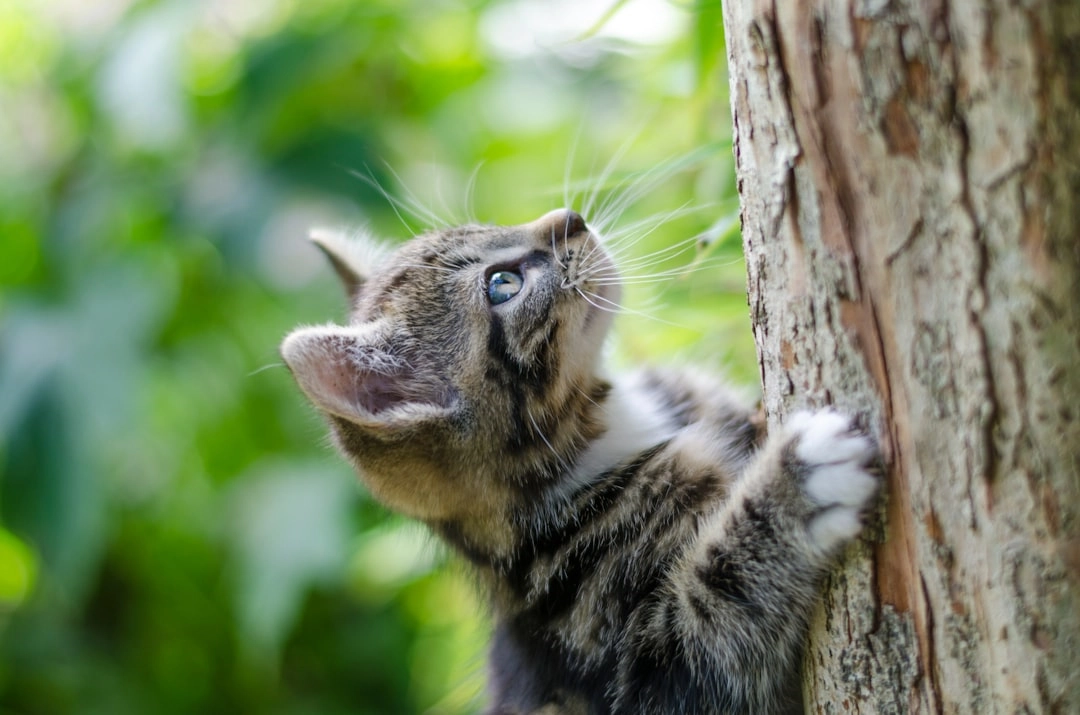
Unlocking the Secrets of Respectful Cat Training
Training cats to exhibit respectful behavior is a fascinating journey that combines understanding feline psychology with effective training techniques. Many cat owners often wonder why their furry companions display certain behaviors and how they can encourage more desirable actions. Surprisingly, cats are not just independent creatures; they are capable of learning and adapting their behavior based on their environment and interactions with humans. This blog post will delve into the intricacies of cat training, focusing on how to foster respectfulness in our feline friends.
Did you know that cats can learn commands and tricks just like dogs? While they may not always respond in the same way, cats possess a remarkable ability to understand cues and associate them with specific actions. This ability opens up a world of possibilities for cat owners who wish to cultivate a respectful and harmonious relationship with their pets. By mastering the art of cat training, you can not only improve your cat’s behavior but also enhance the bond you share with them.
In this exploration of cat training, we will cover essential aspects such as understanding feline behavior, effective training methods, and addressing common behavioral issues. By the end of this post, you will be equipped with the knowledge and tools necessary to train your cat for respectful behavior, ensuring a more enjoyable and fulfilling companionship.
Decoding Feline Behavior: The Key to Training Success
To effectively train your cat, it is crucial to understand their natural instincts and behaviors. Cats are inherently curious creatures, driven by their instincts as hunters and explorers. This innate curiosity can sometimes lead to behaviors that may be perceived as disrespectful, such as scratching furniture or knocking items off tables. However, these actions are often rooted in their natural tendencies and can be redirected through proper training.
One of the most common behaviors exhibited by cats is scratching. This behavior serves multiple purposes: it helps cats maintain their claws, stretch their muscles, and mark their territory. Understanding this instinctual behavior allows cat owners to provide appropriate outlets for scratching, such as scratching posts or pads. By offering alternatives, you can redirect your cat’s scratching behavior away from furniture and onto designated items, promoting respect for your home.
Another typical behavior is purring, which is often associated with contentment. However, cats may also purr when they are anxious or in pain. Recognizing the context of your cat’s purring can help you respond appropriately to their needs. For instance, if your cat is purring while hiding, it may be a sign of stress, and providing a safe space can help alleviate their anxiety.
Kneading is another fascinating behavior that many cats exhibit. This action, where cats push their paws in and out against a soft surface, is often a remnant of kittenhood when they kneaded their mother’s belly to stimulate milk flow. While it may seem endearing, kneading can sometimes lead to unwanted behavior, such as kneading on a person’s lap with claws extended. Understanding the motivation behind this behavior can help you manage it effectively, perhaps by providing a designated blanket for kneading.
Additionally, it’s essential to recognize that different cat breeds may exhibit unique behaviors. For example, Siamese cats are known for their vocal nature and social tendencies, while Maine Coons are often more laid-back and affectionate. Understanding these breed-specific traits can help you tailor your training approach to suit your cat’s personality, making the process more effective and enjoyable for both of you.
In summary, understanding feline behavior is the cornerstone of successful cat training. By recognizing the natural instincts and motivations behind your cat’s actions, you can create a training plan that fosters respectfulness and strengthens your bond. In the following sections, we will explore effective training techniques and strategies to address common behavioral issues, ensuring that your cat becomes a well-mannered and respectful companion.
Effective Strategies for Cat Training Success
Training a cat is often an underappreciated aspect of pet ownership, yet it plays a crucial role in fostering a harmonious relationship between the feline and its human caregiver. Many people assume that cats are too independent to train effectively, but understanding the correct methods can yield remarkable results. By focusing on proper techniques and patience, you can teach your feline friend behaviors that lead to more peaceful cohabitation, enriched lifestyles, and a sense of mutual respect. In this section, we’ll discuss why training is important for both cats and their owners, exploring the critical benefits, as well as providing basic principles that underline effective feline training.
One key benefit of training your cat is to reinforce desirable behaviors. Just like any other animal, cats respond remarkably well to positive reinforcement, which encourages them to repeat those behaviors for a reward. By teaching your cat tricks, commands, or desirable behaviors like using the litter box or scratching on posts instead of furniture, you can significantly improve its relationship with you and your living space. Felines are particularly prone to behavior-driven stress when their instincts clash with household rules, so providing clear guidance helps mitigate tension.
It is essential to understand how cats learn to train them effectively. Felines often learn through environmental interaction and observation. One primary training method centers around positive reinforcement, which can involve treat rewards, verbal praise, and affectionate attention as reinforcers for good behavior. The motivation to perform an action for a payoff forms a more significant connection between the action and response. It’s important that the praise or reward be administered immediately after the desired behavior occurs; delayed rewards could confuse the cat and diminish the effectiveness of training.
Another vital aspect of training is consistency. Cats thrive on routine; if the expectations and rewards you establish for training are inconsistent, it may lead to frustration for both you and your pet. Make sure that everyone in the household understands what behaviors are encouraged and which ones are unwanted. Reinforcing undesired behaviors only once, even unintentionally, can undermine your training goals. Training should be a regular part of both the cat’s daily routine and its environment to yield lasting changes.
Considering distractions when training a cat is equally critical. Begin training sessions in a calm environment with minimal external disturbances. Cats can easily get distracted by loud noises, moving objects, or even the enticing scent of food nearby. As your cat becomes more comfortable with training protocols, gradually introduce new environments or small distractions to ensure your feline can focus even when less-than-ideal conditions are present.
Moreover, understanding breed differences is vital, as specific breeds may exhibit variations in their trainability and energy levels. For example, Oriental breeds like the Siamese tend to be social and may quickly pick up tricks while breeds like the Scottish Fold might require a bit more motivation to engage. Always tailor your training methods to the specific cat you’re working with for the best results. Recognizing the unique personality traits of your cat can inform your approach and enhance the effectiveness of training.
Tackling Common Cat Behavior Issues
While all pet owners seek to cultivate their animals’ positive attributes, it’s imperative to address the unwanted behaviors that often arise. Some of the most commonly noted behavioral issues in cats include excessive meowing, aggressive behavior, scratching on furniture, litter box refusal, and the propensity to bite. Tackling these problems promptly can prevent them from escalating or becoming ingrained habits.
One common issue among many household cats is unnecessary vocalization. Excessive meowing can often occur when a cat desires attention, food, or is feeling anxious. If your cat tends to vocalize excessively, rewarding quieter behavior instead can encourage it to moderate its vocalizations. Cat owners can gradually provide attention to their pets only when they are calm and quiet, discouraging undue attention-seeking vocalizations.
Aggression is another behavioral challenge many cat owners face. This may manifest as defensive biting or scratching when a cat feels threatened or overly excited. Identifying triggers can be key—be it overstimulation during play or interacting with unfamiliar guests. Gently redirecting behavior and providing appropriate outlets for energy, like interactive toys and scratching surfaces, can significantly reduce aggressive tendencies over time. Moreover, allowing a cat safe spaces to retreat can help them feel less threatened, reducing aggressive responses.
Scratching behavior can lead to confrontations when felines are enticed to use furniture as their playground. Training a cat to scratch on approved items often includes first ensuring the surface is attractive by rubbing it with catnip or placing their paws on it. Encouraging healthy scratching with correct supervision reestablishes the expectation of where this behavior is appropriate—thereby showing them the respect for personal boundaries.
Sometimes behavioral issues extend beyond training-related concerns. A cat that refuses to use its litter box could be suffering from medical conditions, psychological stress, or dislikes the litter. Make sure to address factors like a clean litter environment, quiet surroundings for privacy, or contacting a veterinarian to check for health issues if refusal persists. Creative approaches to put effort into meeting these physical or behavioral requirements ensure future harmony and peace for both pet and owner.
Overall, training a cat in order to eliminate behavioral problems creates a better living environment for both the owner and the pet. By understanding both the training essentials and by developing effective strategies for tackling behavioral issues, you gain a deeper awareness of your feline companion and enhance communication—transforming any struggles into desirable behaviors to ultimately cultivate mutual respect.

Enhancing Cat Well-Being Through Play and Enrichment
One of the essential components of training cats for respectful behavior lies in providing adequate enrichment and play opportunities. Cats, being naturally curious and playful creatures, require mental and physical stimulation to thrive. Without it, they may develop behavioral issues, such as aggression, excessive meowing, or destructive scratching. Enrichment activities are not just a luxury; they are a necessity for maintaining a healthy, happy feline.
Mental stimulation is vital for a cat’s cognitive development and emotional well-being. Engaging in interactive play helps satisfy a cat’s instinctual hunting behaviors, which can significantly reduce stress and anxiety. For example, using toys that mimic the movement of prey—such as feather wands or laser pointers—allows cats to express their natural hunting instincts. This type of play not only entertains but also provides a productive outlet for their energy, thereby fostering respectful behavior in the home.
Physical stimulation is equally important. Cats are inherently active animals, and they require opportunities to run, jump, and explore their environment. Providing cat trees, climbing shelves, and tunnels can encourage your cat to engage in physical activities. When cats have the freedom to move and explore, they are less likely to exhibit destructive behaviors, as they can expend their energy in constructive ways.
Incorporating a variety of toys into your cat’s play routine can also prevent boredom and stimulate their senses. Rotate toys regularly to keep the experience fresh and exciting. Puzzle feeders are another excellent way to challenge your cat mentally while providing a rewarding experience, as they must work for their food. This combination of mental and physical enrichment can lead to a more balanced and well-behaved feline companion.
Furthermore, creating a safe and stimulating environment is crucial for your cat’s overall well-being. This can include setting up a cozy space by the window for bird watching or incorporating safe plants for them to explore. By ensuring your cat has access to a stimulating environment, you are actively preventing behavioral issues while enhancing their quality of life.
Ultimately, enrichment and play are vital for a cat’s physical health and emotional stability. Engaging in regular playtime and providing mental challenges not only leads to a happier and healthier cat but also fosters a respectful relationship between you and your feline friend. By investing time and effort into enrichment activities, you set the foundation for a well-behaved cat that thrives in your home.
Debunking Myths: Frequently Asked Questions About Cat Training
As cat owners embark on the journey of training their feline companions, several common questions and misconceptions often arise. Understanding the realities of cat behavior and training can help you navigate this process more effectively, ensuring a positive experience for both you and your cat.
One common misconception is that cats cannot be trained. Many people believe that training is exclusive to dogs due to their obedience and eagerness to please. However, cats are intelligent creatures that can learn commands, tricks, and even behavioral expectations. Training a cat requires patience and the right techniques, such as positive reinforcement, but it is entirely possible. Understanding your cat’s unique personality and adapting your training methods accordingly can lead to success.
Another frequent question revolves around the notion that all cats respond to training in the same way. Just as with humans, every cat has its personality, learning style, and preferences. Some cats may be more food-motivated, while others may respond better to play or affection. It’s crucial to tailor your training approach to suit your cat’s individual characteristics, as this will yield better results and make the training process more enjoyable for both of you.
Many cat owners also wonder how long it takes to train a cat. The timeline can vary significantly based on the individual cat and the behaviors being taught. Some cats may pick up new commands quickly, while others may take longer to adjust. Consistency is key; short, frequent training sessions tend to be more effective than long, infrequent ones. Additionally, celebrating small victories can help keep both you and your cat motivated throughout the training process.
Another misconception is that training can only happen during kittenhood. While it’s true that younger cats may be more adaptable and easier to train, adult cats can also learn new behaviors and tricks. It’s never too late to start training your cat. In fact, older cats can benefit significantly from mental stimulation and enrichment activities, which can improve their overall quality of life.
Finally, many cat owners may question whether negative reinforcement is necessary in training. The truth is that using punishment or negative reinforcement can often lead to fear and anxiety, damaging the bond between you and your cat. Instead, focus on positive reinforcement strategies that reward good behavior, helping your cat learn what is expected of them in a safe and supportive manner.
In conclusion, addressing common questions and misconceptions about cat training can help demystify the process and encourage a more successful training experience. By understanding the unique nature of your cat and employing effective techniques, you can foster a respectful and harmonious relationship that benefits both you and your feline companion.
