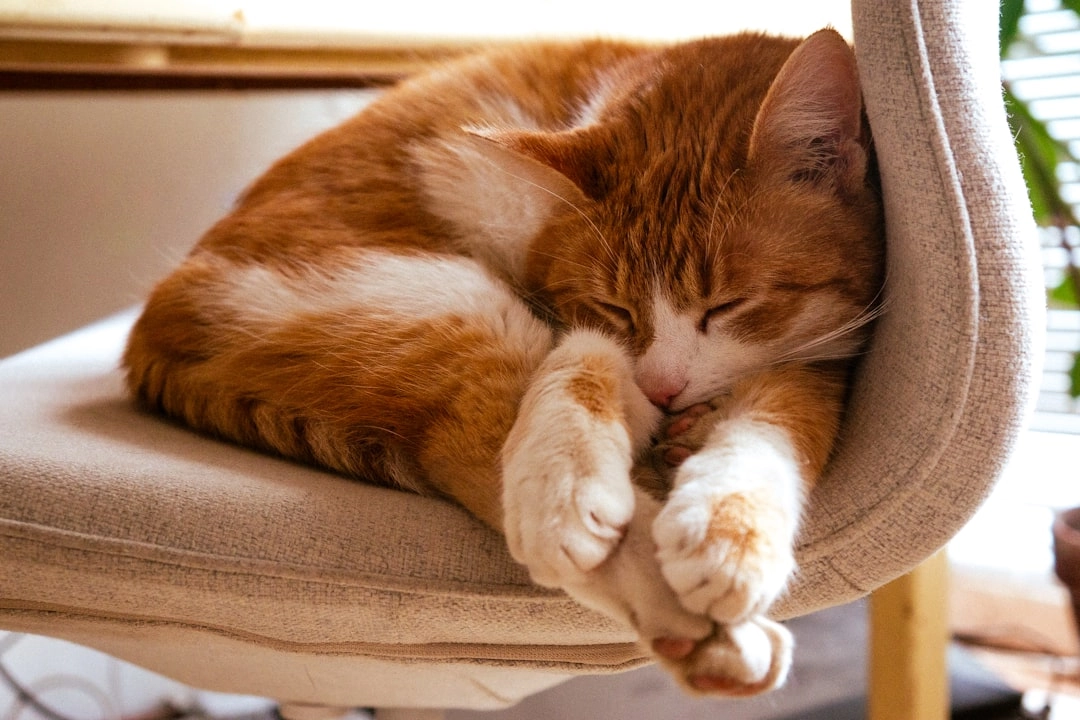
Navigating Feline Overstimulation: A Path to Peace
Feline overstimulation aggression is a common yet often misunderstood behavior among cats. Many cat owners find themselves perplexed when their usually affectionate feline suddenly becomes aggressive during petting or play. This phenomenon can lead to scratches, bites, and a general sense of unease in the household. Understanding the underlying causes of this behavior is crucial for creating a harmonious environment for both the cat and its human companions. Did you know that overstimulation can occur in as little as a few minutes of petting? This surprising fact highlights the importance of recognizing your cat’s body language and emotional state.
In this blog, we will explore effective strategies for managing feline overstimulation aggression, focusing on understanding feline behavior, training techniques, and the importance of enrichment and play. By gaining insight into your cat’s psychology and needs, you can foster a more peaceful coexistence and enhance your bond with your furry friend.
Decoding Feline Behavior: The Key to Understanding Overstimulation
To effectively manage feline overstimulation aggression, it is essential to first understand the basics of feline psychology. Cats are complex creatures with a rich array of natural instincts and behaviors that influence their reactions to various stimuli. Unlike dogs, who are often more overtly social and eager to please, cats are more independent and can be sensitive to their environment.
One of the primary instincts that govern feline behavior is their predatory nature. Cats are natural hunters, and their play often mimics hunting behaviors. This instinct can lead to heightened arousal during playtime, which, if not properly managed, can escalate into overstimulation. For instance, a cat may become overly excited while chasing a toy, leading to aggressive behavior when the play session ends or when they feel overwhelmed.
Another critical aspect of feline behavior is their sensitivity to touch and handling. Cats have specific areas on their bodies that they enjoy being petted, such as the head and chin, while other areas, like the belly or tail, may be off-limits. Understanding these preferences is vital in preventing overstimulation. When a cat is petted in a way that makes them uncomfortable, they may react defensively, leading to aggressive behavior.
Common behaviors exhibited by cats include purring, kneading, and scratching. Purring is often associated with contentment, but it can also indicate discomfort or anxiety in certain situations. Kneading, a behavior where cats push their paws in and out against a soft surface, is a comforting action that stems from kittenhood. Scratching, on the other hand, serves multiple purposes, including marking territory and maintaining claw health. Recognizing these behaviors and their meanings can help cat owners better understand their pets and respond appropriately to their needs.
Additionally, breed-specific behaviors can play a significant role in how a cat reacts to overstimulation. For example, some breeds, like Siamese cats, are known for their vocal nature and high energy levels, while others, like Persians, tend to be more laid-back and less prone to overstimulation. Understanding these breed characteristics can help owners tailor their interactions and environments to suit their cat’s unique personality.
In summary, understanding feline behavior is crucial for managing overstimulation aggression. By recognizing the natural instincts, common behaviors, and breed-specific traits of your cat, you can create a more harmonious living environment. This knowledge will empower you to respond effectively to your cat’s needs, ultimately leading to a more fulfilling relationship between you and your feline companion.
Empowering Your Cat: The Importance of Training
Training is not merely a tool for correcting bad behavior; it serves as a pivotal component in forging a harmonious relationship between you and your feline friend. When addressed appropriately, training can play a transformative role in reducing the instances of overstimulation aggression that many cats exhibit. By understanding the significance of training, you can create a more positive living environment that benefits both you and your pet.
The fundamental essence of cat training lies in enhancing communication. Cats may not speak our language, but they communicate in rich, nuanced ways through body language, vocalizations, and specific behavioral cues. Training establishes a two-way dialogue, wherein owners and cats can learn to interpret each other’s signals effectively. This increased understanding can significantly minimize anxiety and frustration, thereby leading to fewer aggressive outbursts when a cat feels overstimulated.
One vital benefit of training is building your cat’s confidence. A confident cat is less likely to display aggressive tendencies. Training sessions are opportunities for success, wherein even basic commands or tricks provide your cat with a sense of achievement. When they realize they can positively impact their surroundings—such as receiving treats for performing a task—the overall demeanor of the cat can shift towards openness, thus enhancing their social interactions with both people and other pets.
Moreover, training equips your cat with vital coping mechanisms to better handle its environment. Just as people learn valuable life skills, cats can also benefit from acquiring specific behavioral tools that aid their navigation of potentially overwhelming situations. For example, teaching your cat to understand their limitations regarding play can aid in recognizing when they are about to reach a point of overstimulation. The familiarity with commands can cue them to alert their owners before they progress to an aggressive response, drastically reducing instances of aggressive encounters.
One cornerstone principle in cat training is the concept of positive reinforcement, an effective technique based on rewarding desired behaviors rather than punishing undesirable ones. Cats generally respond well to this method, which leverages their natural instincts and predispositions. For instance, whenever your cat exhibits calm and relaxed behavior, whether during petting or in the presence of stimulants, offering treats or praise will reinforce such comportment. Subsequently, the cat begins to associate calmness with positive outcomes, gradually reducing any propensity toward aggressiveness when play or petting ensues.
To maximize success during training, a step-by-step guide is vital. Begin with short, focused sessions—5 to 10 minutes—using simple commands such as “sit” or “stay.” After familiarizing your cat with these basic commands, gradually introduce them to training on how to communicate signs of overstimulation. Providing indications that allow the pet to voice discomfort through additional behaviors before escalating into aggressive responses will require patience and time, but the payoff is immense when managed well.
Understanding and Resolving Feline Behavior Problems
Feline behavior is an intricate blend of instincts, emotions, and external stimuli. Addressing behavioral issues proactively makes it far easier to mitigate conflicts such as overstimulation aggression that might otherwise characterize an indoor environment shared with a cat. Many signs of annoyance or overstimulation may go undetected without careful observation and understanding.
Common behavior issues include resource guarding, excessive grooming, scratching furniture, and, most pertinently, signs of overstimulation during petting or handling. These challenges don’t manifest from malevolence; rather, they indicate internal discomfort. When a cat experiences overwhelming feelings during regular interactions with its humans, several forms of distress could culminate in aggression.
To best remedy such challenges, maintain a careful and observant stance toward your cat’s interactions. Given that every cat may present different warnings of overstimulation (such as flicking tails, pinched ears, or intense eye contact), attentiveness to such signals fosters better environmental management. Knowing when to end a playful moment or how much petting is deemed ‘overstimulating’ can remarkably help in preempting aggressive responses from becoming outbursts.
If a cat exhibits concerning repetitive behavioral issues or becomes reliably aggressive, consideration should be given to seeking professional help. As educated animal behaviorists or cat trainers specifically mitigate behavioral concerns through various modified training techniques or anxiety-reducing strategies, enlisting support is sometimes required. There is no dishonor in reaching out for a knowledgeable ally when navigating such issues, ensuring a tailored solution specifically for your cat’s personality and needs.
In essence, you enhance the life of your cat—and your shared existence—by proactively addressing behavioral challenges through suitable training strategies. Redirecting negative tendencies offers a promise of restoring peace, thereby delightfully amplifying the profound joy inherent in your relationship with your feline companion. Seek confidence, establish connections, and blossom from your joint triumphs together—there’s magic in a well-trained cat.

Enhancing Feline Well-Being: The Role of Enrichment and Play
Understanding the significance of enrichment and play in a cat’s life is crucial for fostering a harmonious environment and preventing overstimulation aggression. Cats, by nature, are curious and active creatures that thrive on both mental and physical stimulation. Without adequate opportunities for play and exploration, they may become bored, anxious, or even develop behavioral issues that can lead to aggression.
One of the primary reasons enrichment is essential is that it allows cats to express their natural instincts. Cats are hunters by nature, and play mimics the behaviors they would exhibit in the wild. Activities such as stalking, pouncing, and capturing toys are essential for keeping a cat mentally sharp and physically fit. Providing interactive toys, laser pointers, and feather wands encourages these behaviors and allows cats to engage in healthy play that helps them release pent-up energy.
Moreover, mental stimulation through enrichment activities can prevent behavioral problems associated with boredom. When cats lack sufficient mental challenges, they may resort to destructive behaviors, such as scratching furniture or knocking over household items. Engaging your cat in puzzle feeders or hiding treats around the house encourages problem-solving and provides a rewarding experience, ultimately preventing them from seeking out trouble.
Incorporating a variety of play activities into your cat’s routine can also significantly reduce the likelihood of overstimulation. For instance, alternating between different types of toys and play styles keeps things fresh and exciting for your cat. Interactive play sessions with you can help build trust and strengthen the bond between you and your feline friend. Additionally, rotating toys regularly ensures that your cat does not lose interest in their playtime activities.
Another crucial aspect of enrichment is providing safe spaces for your cat to retreat to when they feel overwhelmed. Cats often require downtime to recharge, especially after stimulating play sessions. Creating cozy spots, such as cat trees, tunnels, or designated resting areas, allows them to escape and relax when needed. This balance of activity and rest is vital in managing overstimulation and preventing aggressive behaviors.
In conclusion, the importance of mental and physical stimulation through enrichment and play cannot be overstated. By incorporating various engaging activities into your cat’s daily routine, you not only promote their well-being but also reduce the risk of overstimulation aggression. Remember that a happy, well-stimulated cat is less likely to exhibit behavioral issues, leading to a more harmonious living environment for both you and your feline companion.
Clearing Up Misunderstandings: Common Questions About Feline Behavior
As a cat owner, it’s common to have questions or misconceptions about feline behavior, particularly when it comes to understanding overstimulation aggression. Addressing these queries can provide clarity and foster a better relationship with your pet. Below, we tackle some of the most frequently asked questions surrounding this topic.
One prevalent misconception is that cats are inherently mean or aggressive when they exhibit overstimulation behavior. In reality, cats often react defensively due to feeling overwhelmed or anxious. Understanding that aggression is not a personal attack but rather a communication of discomfort can help owners approach their cats with empathy. By recognizing the signs of overstimulation, such as tail flicking, flattened ears, or dilated pupils, you can take proactive steps to mitigate these situations.
Another common question revolves around the belief that petting a cat will always be welcomed. While many cats enjoy being petted, others may have specific preferences regarding when and how much contact they prefer. It’s essential to pay attention to your cat’s body language and respect their boundaries. Learning the right areas to pet, such as the head or chin, can lead to positive interactions, while petting them in sensitive areas may trigger overstimulation.
Some owners may also wonder if playtime can contribute to overstimulation. While play is vital for a cat’s mental and physical health, it’s crucial to recognize when a play session has gone on too long. Cats can become overstimulated during play, leading to aggressive behavior. To prevent this, establish clear boundaries during playtime and watch for signs of fatigue or agitation. Taking breaks and allowing your cat to retreat to a quiet space can help maintain a balanced play routine.
Lastly, many cat owners question whether all cats are prone to overstimulation aggression. While it’s true that some cats are more sensitive than others, each cat is unique, and their responses to stimulation can vary widely. Factors such as breed, temperament, and previous experiences can all influence a cat’s behavior. It’s essential to understand your individual cat’s personality and tailor your interactions accordingly, creating an environment that suits their specific needs.
By addressing these common questions and misconceptions, you can enhance your understanding of feline behavior and work towards a more harmonious relationship with your cat. Remember that patience, empathy, and awareness are key to managing overstimulation and fostering a positive environment for your furry friend.
