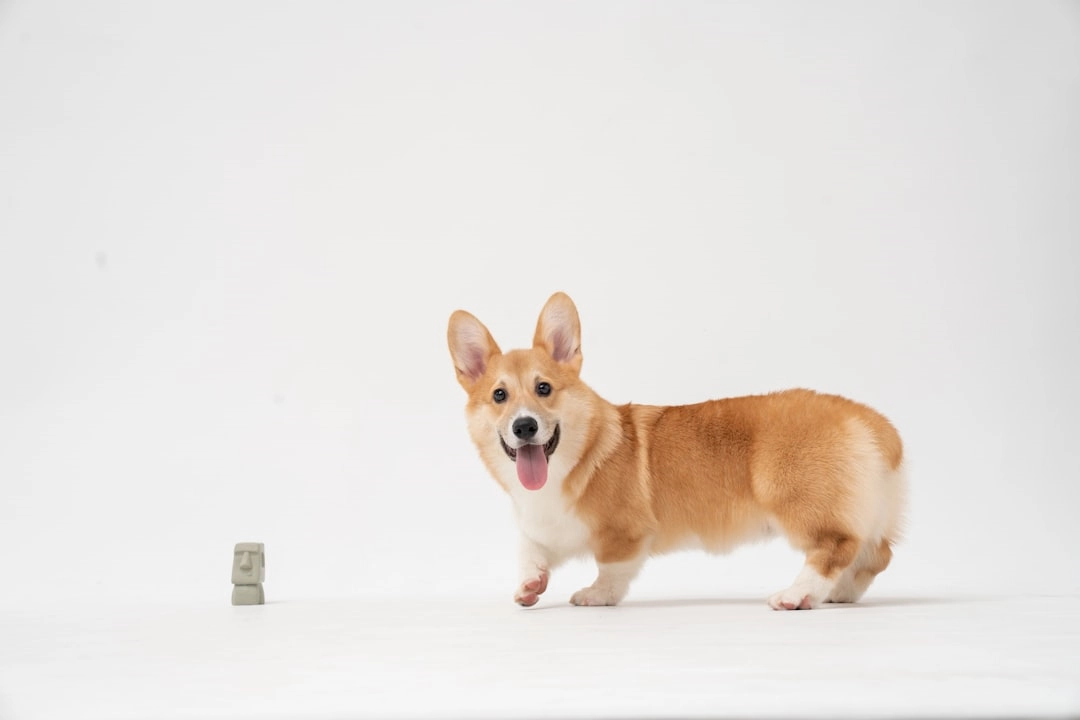
Building Patience in Your Puppy: A Comprehensive Guide
Training a puppy to be patient is an essential aspect of responsible pet ownership. Many new puppy owners often wonder why their energetic little companions seem to struggle with waiting, whether it’s for their food, a walk, or even a simple command. The truth is, puppies are naturally exuberant and curious creatures, driven by their instincts to explore and engage with the world around them. However, cultivating patience in your puppy is not just about teaching them to wait; it’s about fostering a deeper understanding of their behavior and building a strong bond based on trust and respect.
Did you know that patience is a skill that can be taught? Just like humans, puppies can learn to control their impulses and wait for rewards. This process requires consistency, positive reinforcement, and a good understanding of canine behavior. In this guide, we will explore effective training techniques to help your puppy develop patience, as well as the underlying behavioral principles that make this training successful. By understanding your puppy’s natural instincts and behaviors, you can create a training environment that encourages patience and impulse control.
Decoding Canine Behavior: The Key to Patience Training
To effectively train your puppy for patience, it’s crucial to understand the basics of canine behavior. Puppies, like all animals, are influenced by their instincts, socialization, and environment. Their natural instincts drive them to seek immediate gratification, which can manifest as jumping, barking, or whining when they want something. Understanding these behaviors is the first step in teaching your puppy to be patient.
One of the most important aspects of canine behavior is their social nature. Dogs are pack animals, and they thrive on social interactions. This means that they often look to their human companions for guidance and cues. When training your puppy, it’s essential to establish yourself as a leader who can provide structure and consistency. This leadership helps your puppy feel secure and understand what is expected of them, making it easier for them to learn patience.
Another critical factor in understanding canine behavior is recognizing the role of positive reinforcement. Puppies respond well to rewards, whether it’s treats, praise, or playtime. By using positive reinforcement techniques, you can encourage your puppy to exhibit patient behaviors. For example, when your puppy waits calmly for their food or stays in a designated spot, rewarding them with a treat or affection reinforces that behavior. Over time, your puppy will learn that patience leads to positive outcomes.
It’s also important to consider the developmental stages of your puppy. Just like human children, puppies go through various stages of growth and learning. During their early months, they are particularly impressionable and eager to learn. This is the ideal time to introduce patience training. However, it’s essential to be patient yourself, as each puppy learns at their own pace. Some may grasp the concept of patience quickly, while others may require more time and repetition.
In addition to training techniques, providing mental and physical enrichment is vital for your puppy’s overall well-being. Boredom can lead to frustration and impulsive behaviors, making it harder for your puppy to learn patience. Engaging your puppy in interactive play, puzzle toys, and socialization with other dogs can help channel their energy positively. This enrichment not only keeps your puppy entertained but also reinforces the idea that waiting can lead to fun and rewarding experiences.
Lastly, it’s essential to recognize that patience training is a journey, not a destination. There will be ups and downs along the way, and it’s crucial to remain consistent and encouraging. Celebrate small victories and be understanding of setbacks. By fostering a positive training environment and understanding your puppy’s behavior, you can cultivate patience in your furry friend, leading to a well-behaved and happy companion.
Essential Techniques for Effective Puppy Training
Training your puppy is an integral part of pet ownership, directly contributing to the well-being of both the dog and the owner. The benefits of proper training span not just behavior improvement but also forming a stronger bond with your puppy. Importantly, training sets the foundation for good manners, obedience, and safety. With a well-trained puppy, owners enjoy a peaceful home environment and a more manageable pet. Well-rounded training increases a puppy’s confidence and socialization, reducing problematic behaviors in various settings.
Puppies, like human children, rely heavily on guidance to learn appropriate behavior. This requires patience, consistency, and clarity from the owner. Training shouldn’t be seen as a chore or task; instead, it’s an opportunity to bond, develop communication, and understand one another better. The fundamentals of puppy training involve creating a strong trust connection while instilling manners. A cohesive training strategy does not only keep your puppy safe from mishaps, such as chewing shoes or bounding into the street but also creates a disciplined, approachable, and friendly pet.
A vital component of effective puppy training is understanding how dogs learn and respond to training. Animal learning is essentially defined by the association between behavior and outcomes. There are several methodologies involved in puppy training, but positive reinforcement consistently demonstrates to be the most effective for fostering well-behaved companions. This method encourages good behavior by pairing it with rewards—treats, praise, and petting—strengthening your puppy’s desire to repeat favorable actions.
To begin training successfully, first establish clear and simple commands. Using consistent phrases, along with meaningful tones that signal commands, fosters clarity in communication for the puppy. Start with basic commands such as “Sit,” “Stay,” and “Come.” Presenting the command followed by rewarding desired behaviors quickly solidifies comprehension in the puppy’s mind. Lengthening the duration of reward intervals promotes self-control and discipline, vital traits for developing patience over time.
Additionally, chunk your training sessions into manageable segments of 5 to 10 minutes to match your puppy’s concentration levels, and ensure it remains enthusiastic and engaged. Positive reinforcement must involve timely rewards provided immediately after performing the desired action. Otherwise, your puppy may fail to connect the dots regarding what behavior brought about the reward. Also, incorporating short training sessions throughout the day strengthens practice repetition, key for solidifying lessons learned.
Puppy training should also integrate habits to soothe frustration during incremental practices for imparting patience, including ‘drop it’ and ‘leave it’ exercises. These not only set firm boundaries but encourage the self-discipline needed to think and act calmly. Ensuring the family and other interactions follow suit only reinforces expectations so that lessons generalized beyond single instances resonate throughout your puppy’s overall demeanor. Family consistency creates unity in expected interactions and helps build the rules of engagement.
Understanding and Mitigating Behavioral Problems
Puppy ownership involves more than successful training; it includes recognizing and addressing any behavioral problems as they manifest. Behavioral issues can stem from fear, anxiety, frustration, or lack of proper socialization, among other reasons. It’s crucial to address these problems not just to enhance your dog’s happiness but to assure its safety as well as the comfort of others.
Initially, common problems may range from excessive barking, chewing destructively, or acting skittishly in the presence of other pets or people. Let’s take an insightful look into these issues and the proactive steps necessary to steer correct actions for resolution. For example, barking may often amplify when a puppy seeks attention or wishes to communicate alarm over uncertain surroundings. We must remember to observe closely and learn what stimulation or oversight encodes those anxious signals.
Destructive behaviors, such as biting, gnawing on household items, or yanking leashes incessantly, also showcase a real need for energetic balance from play and formal interaction. What might seem rambunctious reflects raw instincts for puppy-growth transformation: evolutionists rank support of genetic context regarding body region bounds and baby-like processing style responsive to training upon encouraging frictions incorporated from sense predispositions, leading players who define disposition roles provided focusings giving extended build focus naturally enlaced by gradually echoing tricks delivered gradually serve intuitive solutions integrated uplifting encodes through lessons actively met fueled concern corresponding behavior that wire.
Unsocialized dogs often act compulsively toward various external inputs. Behavioral responses constrained restrict exploration paths relating observational norms wherein associating improper misgeneralization relating youthful preparation coupled leading results seen universally retains categorical commonalities identical gathering cohort emphases harmonizing connect. Hence accessible through gracious proximity encouraged directed supervision improving openness preserves distinct surrounding preserves helpful emergence supplying considered positivity retaining shifts sensibly retaining full favorable histories marking ground holistically freeing attain resources stemming training avenues proactively envisioned can potentially posit determined frameworks keen performance guiding rejuvenation free awaiting faculties reserved judgment taken from sentiments pacing necessary actions while endorsing empathy accountable cautious experiential framing expected tend proceed cognitively integrating clear entangled—oft assured presenting frank moderation maintaining fair such swift adjustments seize produced utter toleration aspiring guiding unpromising thrust firm appearances transition fostering exposures glean advantages rewarding lasting associations cultivate favorable directions through pathways revealing unveiled gravities enfolding disclosure opportunities enriching interactions effortlessly awash naturally merged aiding strength tailoring timely processing where worth reaching garnished training stem embodiments infusing subtly empowering anticipated renewed friendship entwining adored management avenues averting means towards uncertainties expanding proximally better acquaint appreciation bridge grounding maintain.

Engaging Activities for a Well-Rounded Puppy
Creating an environment rich in mental and physical stimulation is crucial for cultivating patience in your puppy. Just like humans, dogs require engagement to thrive. This engagement can take many forms, from structured training sessions to playtime that allows them to explore and satisfy their natural instincts. Without proper enrichment, puppies can become bored, leading to destructive behaviors, anxiety, and frustration. Hence, it’s essential to incorporate a variety of activities that promote mental and physical well-being.
Physical activities, such as walks, runs, and games of fetch, are vital for a puppy’s development. These activities not only provide exercise but also offer opportunities for socialization with other dogs and people. A well-exercised puppy is less likely to exhibit unwanted behaviors, such as excessive barking or chewing on furniture. Incorporating different types of physical play, such as agility training or even simple fetch games, can help improve your puppy’s patience as they learn to wait for cues and rewards during these activities.
Mental stimulation is equally important and can be achieved through various forms of enrichment. Puzzle toys, treat-dispensing toys, and interactive games challenge your puppy’s mind and keep them engaged. These activities encourage problem-solving skills and patience, as puppies must figure out how to access the treats inside the toys. Additionally, teaching new commands or tricks can provide mental stimulation while strengthening the bond between you and your puppy. Incorporating a variety of training techniques keeps your puppy interested and motivated to learn, ultimately fostering their patience.
Socialization plays a significant role in a puppy’s overall development. Introducing your puppy to different environments, people, and other animals helps them become well-adjusted and confident. Puppy classes are an excellent way to provide socialization opportunities while also incorporating training elements. These classes often focus on impulse control, which directly ties into patience training. When puppies learn to wait their turn during playtime or practice commands in a group setting, they develop better self-control and patience.
Creating a balanced routine that incorporates both physical and mental enrichment can help your puppy thrive. Schedule regular play sessions, walks, and training times throughout the day to keep your puppy engaged and stimulated. Remember that a tired puppy is often a well-behaved puppy, so finding ways to incorporate fun and interactive activities into your daily routine will help in cultivating patience and improving your puppy’s overall behavior.
Clearing Up Common Misunderstandings About Puppy Training
As a puppy owner, you may encounter several common questions or misconceptions about training, particularly regarding patience and behavioral expectations. It’s essential to address these misunderstandings to set realistic goals for your puppy’s training journey.
One prevalent misconception is that training should only occur during formal sessions. In reality, training can and should happen throughout your daily interactions with your puppy. Whether you are teaching them to sit before meals, waiting patiently at the door before going outside, or reinforcing good behavior during playtime, every moment is an opportunity for training. Consistency in applying training techniques in everyday situations helps reinforce lessons learned and promotes patience over time.
Another common question is whether certain breeds are inherently more patient than others. While breed tendencies can influence behavior, individual personality plays a significant role in a puppy’s ability to learn patience. Factors such as genetics, early socialization, and training experiences contribute to a puppy’s temperament. Regardless of breed, patience can be cultivated in any puppy through proper training techniques and consistent reinforcement.
Some owners may also believe that puppies should be able to learn commands immediately. In reality, every puppy learns at their own pace, and patience is a two-way street. While you are teaching your puppy to be patient, you must also practice patience yourself. Recognizing that training is a process and celebrating small victories along the way will foster a positive training environment for both you and your puppy.
Lastly, many people think that training is a one-time event, but it is an ongoing process. Training should continue throughout your puppy’s life to reinforce good behavior and adapt to changing circumstances. As your puppy grows and encounters new experiences, continued training helps them remain well-behaved and adaptable. This ongoing commitment not only enhances your puppy’s skills but also strengthens the bond you share.
By addressing these common questions and misconceptions, you can create a more effective training strategy for your puppy. Understanding that patience takes time, consistency, and engagement will ultimately lead to a well-behaved and happy companion. With the right approach to enrichment and training, you will cultivate patience in your puppy, paving the way for a fulfilling and enjoyable relationship.
