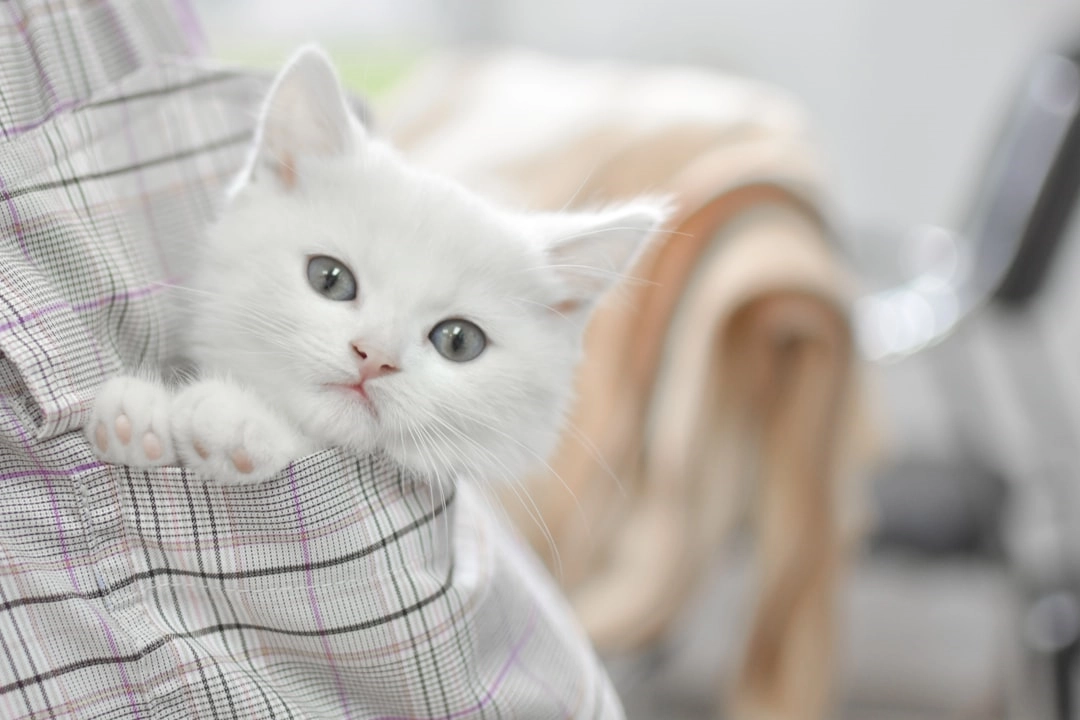
Monitoring Your Cat’s Health Through Behavior
When it comes to our feline companions, understanding their health is not just about regular vet visits or vaccinations; it also involves keen observation of their behavior. Cats are known for their enigmatic nature, often communicating their needs and feelings through subtle changes in their actions. Did you know that a cat’s behavior can reveal a wealth of information about its health? For instance, a sudden change in appetite, litter box habits, or social interactions can be early indicators of underlying health issues. This blog post will delve into the fascinating world of feline behavior and how monitoring these behaviors can serve as a vital tool in ensuring your cat’s well-being.
Decoding Feline Behavior for Health Insights
Understanding the intricacies of feline behavior is essential for any cat owner. Cats, as members of the Felidae family, exhibit a range of natural instincts and behaviors that are deeply rooted in their evolutionary history. These behaviors can be categorized into several key areas, including hunting instincts, social interactions, and communication methods. By recognizing and interpreting these behaviors, you can gain valuable insights into your cat’s health and emotional state.
One of the most fundamental aspects of feline behavior is their hunting instinct. Even domesticated cats retain a strong predatory drive, which manifests in various ways. For example, you may notice your cat stalking and pouncing on toys or even your fingers during playtime. This behavior is not just play; it is a reflection of their natural instincts. A healthy cat will engage in these activities regularly, showcasing their physical fitness and mental stimulation. However, if your cat suddenly loses interest in play or exhibits lethargy, it could be a sign of health issues that warrant further investigation.
Another critical area to consider is social behavior. Cats are often perceived as solitary creatures, but they can form strong bonds with their human companions and other pets. Observing how your cat interacts with you and its environment can provide insights into its emotional well-being. For instance, a cat that seeks out affection, rubs against you, or follows you around is likely feeling secure and happy. Conversely, if your cat begins to hide, avoid interaction, or displays aggressive behavior, it may be experiencing stress or discomfort, which could be linked to health problems.
Communication is another vital aspect of feline behavior. Cats use a variety of vocalizations, body language, and even scent marking to express their feelings and needs. Purring, for example, is often associated with contentment, but it can also indicate pain or distress in certain situations. Similarly, a cat that suddenly starts vocalizing more than usual may be trying to communicate discomfort or anxiety. Understanding these nuances in communication can help you respond appropriately to your cat’s needs and potentially identify health issues early on.
Moreover, litter box habits are a crucial indicator of your cat’s health. Changes in urination or defecation patterns can signal various health concerns, from urinary tract infections to gastrointestinal issues. A cat that suddenly stops using the litter box or begins to strain while trying to urinate should be evaluated by a veterinarian promptly. Regular monitoring of your cat’s litter box habits can provide essential clues about its overall health and well-being.
In addition to these behaviors, it’s important to consider breed-specific traits that may influence your cat’s behavior. Different breeds can exhibit unique characteristics and tendencies that affect their health monitoring. For example, Siamese cats are known for their vocal nature and strong social bonds, while Maine Coons are often more laid-back and independent. Understanding these breed-specific behaviors can help you tailor your observations and care to meet your cat’s individual needs.
In conclusion, monitoring your cat’s health through behavioral insights is an essential practice for any responsible cat owner. By understanding the natural instincts, social interactions, and communication methods of your feline friend, you can gain valuable insights into their health and emotional well-being. Regularly observing your cat’s behavior can help you identify potential health issues early on, ensuring that your beloved pet receives the care and attention it deserves. Remember, a happy and healthy cat is one that feels secure in its environment and is engaged in its natural behaviors.
Empowering Your Cat Through Training
Training is a vital aspect of responsible pet ownership that plays a significant role in shaping your cat’s behavior and interaction with you and its environment. Many pet owners often underestimate the importance of training cats, thinking that felines are naturally independent and do not require instruction. However, contrary to this belief, proper training is essential not only for a harmonious relationship but also for the health and happiness of your feline friend. A well-trained cat fosters a confident and socially adaptable pet, reducing the chances of undesirable behaviors that can impact your household.
One of the most compelling benefits of training is the bond it fosters between you and your cat. During training sessions, which typically focus on essential commands or desired behaviors, you’re engaging actively and positively with your pet. This interaction can boost the cat’s confidence while also allowing it to appreciate your role as its companion and leader. You’ll find that a well-established relationship is rooted in trust, which flourishes through consistent training.
Training also can mitigate certain behaviors that cats might display when they’re bored or anxious. Without proper outlets, your cat can become easily distressed, leading to behaviors like scratching furniture or excessive vocalizing. Equipping them with training helps create a more mentally stimulated environment. Utilizing basic commands encourages them to express their desires and preferences appropriately, encouraging cooperation rather than defiance.
When it comes to feline training, the principles of positive reinforcement are fundamental. These principles harness the power of rewards to motivate a behavior—treats, praise, or playtime given when the pet responds correctly solidify these habits in a joyous context. Every cat has a unique personality, so trial and error may be necessary to determine what makes your cat most excited and responsive. One cat may adore interactive toys, while another prefers gourmet treats; finding the right incentive leads to an effective training regime.
To get started with training, select an area devoid of distractions for short sessions. Duration is equally important—aim for 5–10 minute bursts two to three times a day rather than extended periods, as cats easily lose interest. Commence with simple commands like “sit” or “come.” When your cat executes the desired action, immediately reward it while verbalizing praise. This routine builds anticipation as the cat learns how its actions are positively correlated to rewards.
Tackling Behavioral Issues in Cats
Recognizing and addressing behavioral issues in cats is critical to a happy coexistence. Each feline companion brings its own personality and idiosyncrasies, making some cats prone to behavioral quirks, while others seem calm and collected. Despite variances, some common behavioral problems, ranging from inappropriate elimination to aggressive outbursts, can disrupt harmony within the home. Identifying these issues and offering solutions is key to finding peaceful resolutions.
One significant behavioral concern for cat owners is inappropriate urination. This can occur for numerous reasons, including territorial marking, stress, or medical concerns like urinary tract infections. If a cat regularly fails to use the litter box properly, monitoring their health, stressors within their surroundings, and confirming they still enjoy using the litter box are first necessary steps. At times, offering a bigger choice of litter or litter box types (open versus covered) can make a difference.
Social dynamics also affect your cat’s behavior. If introducing a new pet brings out jealousy and aggression, taking things slowly and giving equal attention to all animals can ease tensions. Oftentimes, behavior challenges stem from lack of interaction, leading to anxiety and later misbehaviors. Ensuring your cat’s environment has accessible play and exercise opportunities allows them to redirect excess energy. Regular interactive play sessions will often yield noticeable improvements in their attitude and health.
When distressed, feline behavioral issues can appear rather severe. Should you notice anxiety-induced behaviors—such as excessive hiding, self-grooming, or behavioral regression—creating positive associations with anxieties can promote balance. Consultation with your veterinarian may lead to identifying contributing factors; maintaining updated medical checkups can inform about any physical pain that goes unnoticed.
Most crucial is the way owners interpret and respond to all behaviors in an encouraging way. Depending on the severity of problematic behavior or a lack of progress over time, it might become crucial to enlist support from professional trainers or behaviorists specializing in feline behavior. Expert input can help tackle stubbornness and instill positive practices based on applicable expertise that not every owner may understand. Remember, seeking outside assistance does not reflect failed ownership, rather an acknowledgment of intent for better ownership.
Summarizing training fundamentals while also viewing problem behaviors through a sensitive lens influences overall behavioral output. Your commitment to empathetic handling sets up healthy pathways where affection, cooperation, communication, and choices lead toward happier coexistences for all household members.

Enhancing Your Cat’s Well-Being Through Play and Enrichment
Engaging your cat in regular play and providing enrichment activities are vital components in maintaining their overall health and well-being. Cats are natural hunters, and their instincts drive them to seek out stimulation through physical activity and mental challenges. By understanding the importance of both mental and physical stimulation, you can prevent behavioral issues that may arise from boredom or lack of engagement. When cats do not receive adequate stimulation, they may resort to destructive behaviors, such as scratching furniture, excessive vocalization, or even aggression towards their human companions or other pets.
Physical stimulation is essential for your cat’s physical health. Regular play helps maintain a healthy weight, promotes cardiovascular health, and supports strong muscles and bones. Cats that are physically active are also less likely to develop obesity-related health problems, which can lead to diabetes, joint issues, and a host of other complications. By incorporating playtime into your cat’s daily routine, you not only provide exercise but also an opportunity for bonding, which strengthens your relationship.
Mental stimulation is equally important. Cats are intelligent creatures that require mental challenges to thrive. Activities that encourage problem-solving and critical thinking, such as puzzle toys or treat-dispensing devices, can keep your cat engaged and prevent boredom. Providing a variety of toys, such as feather wands, laser pointers, or interactive toys, allows your cat to explore their hunting instincts in a safe environment. Engaging their minds helps prevent anxiety and stress, which can manifest in various behavioral issues.
Creating an enriched environment can significantly improve your cat’s quality of life. This can be achieved by incorporating vertical spaces, such as cat trees or shelves, that allow your cat to climb and explore. Cats love to perch in high places, as it provides them with a sense of security and a vantage point to observe their surroundings. Additionally, providing scratching posts or pads can satisfy their natural instinct to scratch, which is essential for maintaining healthy claws and preventing destructive behaviors.
Interactive play sessions are a fantastic way to bond with your cat while promoting both physical and mental health. Schedule regular playtime into your daily routine, allowing your cat to expend energy and engage their instincts. You can rotate toys to keep things fresh and exciting, ensuring your cat remains stimulated and interested. Always observe your cat’s preferences, as some may prefer chasing while others enjoy stalking or pouncing. Tailoring your play sessions to their likes can enhance their enjoyment and engagement.
Clearing Up Myths About Cat Behavior and Health
As cat owners, it is natural to have questions and concerns about your feline friend’s behavior and health. Unfortunately, there are many misconceptions surrounding cat behavior that can lead to misunderstandings and mismanagement. Addressing these common questions and misconceptions can help improve your relationship with your cat and ensure that you provide the best care possible.
One prevalent misconception is that cats are solitary creatures that do not require social interaction. While it is true that cats are generally more independent than dogs, they are still social animals that thrive on companionship. Cats can develop strong bonds with their human families and other pets. Failing to recognize their need for social interaction can lead to behavioral issues such as aggression or anxiety. Regular interaction, playtime, and even cuddling can significantly improve your cat’s emotional well-being.
Another common myth is that cats can regulate their food intake and do not require portion control. This belief can be detrimental to their health, as many cats are prone to overeating, leading to obesity and related health problems. It is essential to measure your cat’s food portions and provide a balanced diet appropriate for their age, weight, and activity level. Consult your veterinarian for guidance on feeding recommendations tailored to your cat’s specific needs.
Many cat owners also mistakenly believe that scratching is a sign of misbehavior. In reality, scratching is a natural and necessary behavior for cats. It helps them maintain healthy claws, mark their territory, and stretch their muscles. Instead of punishing your cat for scratching, provide designated scratching posts and pads to redirect this behavior positively. Understanding their natural instincts can lead to better management of scratching habits and a happier cat.
Additionally, some owners think that if a cat is hiding or spending a lot of time alone, it is simply being aloof. While some cats do enjoy their alone time, excessive hiding or withdrawal can indicate stress, anxiety, or even illness. If your cat suddenly changes its behavior, such as hiding more than usual or becoming less interactive, it is essential to observe other signs and consult your veterinarian if necessary. Early intervention can be critical in addressing any underlying health issues.
Lastly, there is a common belief that all cats dislike water. While many cats may be apprehensive about water, there are individual differences in their preferences. Some breeds, like the Maine Coon or Turkish Van, are known to enjoy water. Introducing your cat to water gradually and positively can help dispel fears. Understanding that every cat is unique will allow you to cater to their individual preferences and needs.
By addressing these common misconceptions and actively engaging in enriching your cat’s life, you can create a nurturing environment that promotes their health and happiness. Regular play and mental stimulation are essential for your cat’s overall well-being, helping prevent behavioral issues and ensuring a fulfilling life as your cherished companion.
