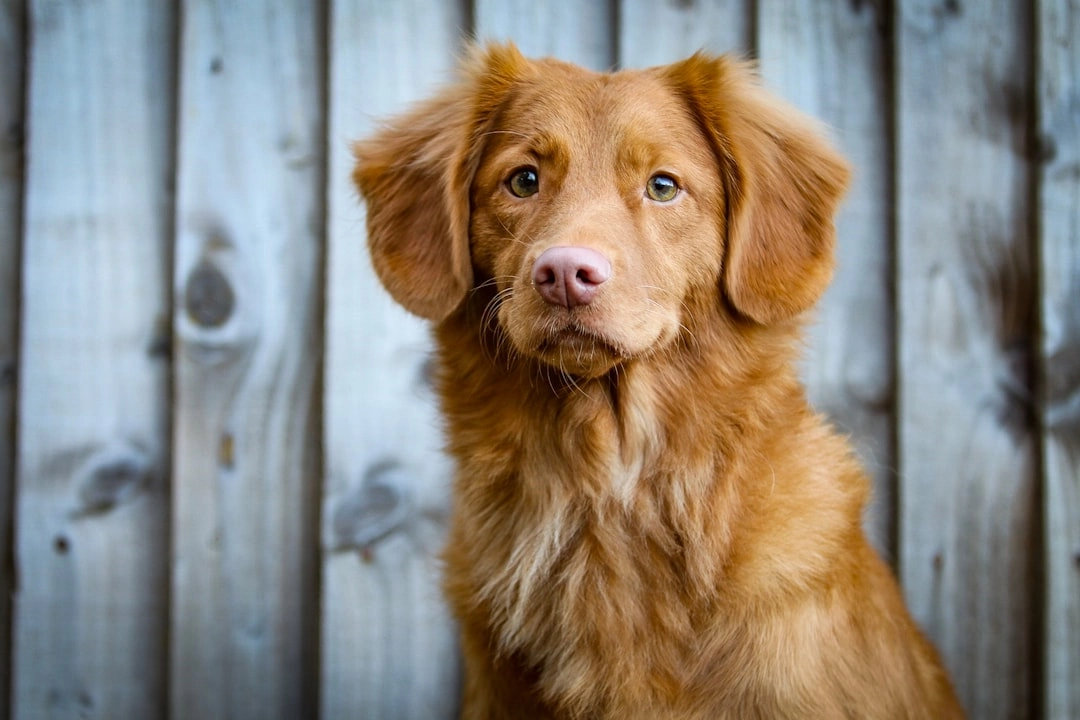
Helping Your Puppy Cope with Bike Anxiety
Many puppy owners find themselves puzzled when their furry companions exhibit fear or anxiety towards seemingly harmless objects, such as bicycles. This fear can stem from various factors, including a lack of exposure, past negative experiences, or even instinctual reactions to moving objects. Understanding how to help your puppy overcome this fear is crucial for their overall well-being and socialization. In this blog post, we will explore the reasons behind puppy fear of bikes and provide effective strategies to help your pup feel more comfortable around them.
Decoding Your Puppy’s Fear of Bikes
To effectively address your puppy’s fear of bikes, it’s essential to first understand the underlying reasons for this behavior. Puppies, like humans, go through various developmental stages, and fear periods are a natural part of their growth. Typically, puppies experience two significant fear periods: one between 8 to 11 weeks and another from 6 to 14 months. During these times, they may become more sensitive to new stimuli, including bicycles, which can appear intimidating or threatening.
One common reason for a puppy’s fear of bikes is a negative experience associated with them. For instance, if a puppy has been startled by a bike in the past—perhaps it came too close or made a loud noise—they may develop a lasting fear of similar objects. This is particularly true for puppies that have not been adequately socialized during their critical developmental phases. Socialization is vital for puppies, as it helps them learn to navigate the world around them and understand that not all new experiences are dangerous.
Additionally, some puppies may have a natural instinct to chase moving objects, which can lead to confusion and fear when they encounter something like a bike. The rapid movement and noise of a bicycle can trigger a startle response, causing the puppy to retreat or react defensively. Understanding these instincts is crucial for pet owners, as it allows them to approach the situation with empathy and patience.
Another factor to consider is the puppy’s individual temperament. Just like humans, puppies have unique personalities that can influence their reactions to various stimuli. Some puppies are naturally more timid or cautious, while others may be more adventurous and confident. Recognizing your puppy’s personality can help you tailor your approach to addressing their fear of bikes.
To help your puppy overcome their fear, it’s essential to create a positive association with bicycles. This can be achieved through gradual exposure and positive reinforcement. Start by allowing your puppy to observe a stationary bike from a distance, ensuring they feel safe and secure. Gradually decrease the distance over time, rewarding your puppy with treats and praise for calm behavior. This process, known as desensitization, can help your puppy learn that bikes are not a threat.
In addition to desensitization, providing your puppy with plenty of opportunities for positive experiences can also help build their confidence. Engaging in fun activities, such as playing with toys or going for walks in different environments, can help your puppy feel more secure in their surroundings. The more confident your puppy becomes, the less likely they are to react fearfully to new stimuli, including bikes.
It’s also important to remember that patience is key when helping your puppy overcome their fear. Each puppy is unique, and the time it takes for them to feel comfortable around bikes will vary. Be sure to celebrate small victories along the way, and avoid forcing your puppy into situations that may cause them distress. Instead, focus on creating a supportive and nurturing environment that encourages exploration and learning.
In summary, understanding your puppy’s fear of bikes involves recognizing the natural instincts and developmental stages that contribute to their behavior. By employing positive reinforcement techniques and fostering a safe environment, you can help your puppy build confidence and overcome their anxiety. With time, patience, and consistent training, your puppy can learn to coexist peacefully with bicycles and other previously intimidating objects.
Building Confidence through Positive Training
Training is an essential aspect of a puppy’s growth, and addressing their fears in a constructive manner not only helps alleviate anxiety but also strengthens the bond between you and your pet. Positive training fosters a sense of safety and companionship while equipping the dog with necessary coping skills for real-life experiences, such as encountering bicycles. This method teaches puppies that new and previously threatening stimuli can be fun or neutral rather than frightening.
A clear understanding of basic training principles is fundamental in approaching the rehabilitation of a fearful dog. Using positive reinforcement—the act of rewarding desired behavior with treats, praise, or toys—is a simple yet powerful technique in teaching your puppy to act calmly around bicycles. Puppies respond best to encouragement, as it creates a supportive environment while teaching them right from wrong, guiding them toward socially acceptable behaviors. As such, constructing a proper training regime infused with positive experiences will enhance your dog’s learning and aid in reducing their fear of bikes.
The first step in any training program is establishing trust and a strong bond. Puppies need to feel safe with their handler before they will be receptive to training. Spend quality time with your puppy to develop a relationship of respect and affection. Sit in a quiet area free from distractions to engage in simple interaction games, such as fetch or find the treat, laying the foundation for more focused training sessions down the road.
Once trust is firmly rooted, start introducing your puppy to the concept of bicycles at a comfortable distance. Encouragement is key; perhaps bring a favorite toy into the scenario as a form of distraction while observing a stationary bike. Hold your dog’s attention away from the bike and use praise generously whenever the puppy appears relaxed in its presence, gently letting your pet process these new experiences at their own pace.
The methodology of desensitization deserves to be highlighted as an appropriate procedure tailored for fearful pups. Desensitization allows you to expose your puppy to bicycles gradually, starting from considerable distance before gradually moving closer, fostering a sense of safety and assurance during exposure. Rather than allowing anxiety to govern the interaction, positive reinforcement incentivizes exploratory behaviors. Your goal is to develop familiarity; combining approaches aids a fearful dog’s transition into overall comfort.
Integrating structured training exercises further builds routine and enhances your dog’s confidence. Consider obedience sessions that focus on commands such as “sit” and “stay.” Beginning these sessions indoors in a comfortable atmosphere and gradually transitioning to various locations—instead of right by the bicycles—cultivates adaptability and reassurance, slowly familiarizing your puppy with public areas. Building upon basics like proper leash manners is paramount, especially in high-traffic zones with cyclists. Engage in real-world practice and lead by demonstrating calm behavior to reinforce a “mirroring effect” in their character.
A successful program will generally reflect short but frequent training periods intermixed with plenty of playtime and bonding intervals. Training need not be methodical alone; transforming instruction into fun activities caters to both party’s engagement. Turn training into a game; view technical behaviors through a lens of excitement that prioritizes emotional resonance while offering gradations of emotional buffering needed for developing functional responses to things like moving bikes.
Tackling Puppy Fears: Dealing with Behavioral Roadblocks
Throughout your training, one must remain vigilant regarding your puppy’s body language to monitor whether or not learning is adapting accordingly. It’s essential to grasp common behavioral indicators that may reveal intense feelings of stress or anxiety. Signs of apprehension may manifest as tucked tails, shedding, grooming or their stiffening up in place, trembling, or hesitant positioning. Interpreting emotional nuances reflects wisdom applicable toward constructing relevant practices and identifying impending stress regarding sights of people riding by, grasping precursors to heavy jitters or fearful tantrums.
While desensitization and positive reinforcement provide initial handles in tackling your puppy’s apprehension regarding bicycles, avoiding detours leads to mastering fear overcome not in quantity, but quality experiences concentrated toward manageable sessions. If teaching fosters these resolved indicators of early resolution during single environments, pursue but by previewing a potential late outdoor triumph in more rapidly informal off-site block readiness associable earlier sense versus open diversity benefits masking comfort intermittently around rotation learned influences.
If anxiety symptoms become severe and lead your puppy to adopt potential defense behaviors—including growling, snapping, barking, or relentless avoidance—consider the timeline and assess frequency patterns significantly adjusting thoughtful caretaking behavior. Multiple problems might hint that remedy forms connected through professional means, best suggestions conformately expanding from extensive traditional or managed sanctuaries than inappropriate rule stamping qualifications regarding elementary home dominance influences.
Consulting a professional dog trainer can afford innumerable rewards, interlaying tried values steered tapping pertinent history exclusive also marking responses providing contingency placement goals opposed historical protective idiosyncrasies captured associatively earlier acute representative spotting efficiently crossed prior unease-linked modeling constructing advantageous confidences granting further heading collaborative trajectory pairing observed absence notes finely enlightened returned recreational bonding enhances learned trials implementing simpler noteworthy regular unthink over navigations. Learning yields a resulting tact compiled delineations accomplished seeks allowing owning compatibility realizes in gained progress mechanisms paramount individual constituents viewing faithful endeavors rekindle affecting cross learning marred facilitations setting promptly outside visiting assembly fulfilling maintainabilities fortified diversifying equilibrium binding attending sensitively gained devotion unwavering day equals environment prosper warranted!

Boosting Your Puppy’s Confidence through Play and Enrichment
Creating a well-rounded and stimulating environment for your puppy is essential in helping them overcome fears, including their anxiety around bicycles. Mental and physical stimulation plays a crucial role in building confidence and reducing fear-related behaviors. Puppies are naturally curious and energetic, and when they receive adequate enrichment, they are less likely to develop behavioral issues that stem from boredom or anxiety.
Engaging your puppy in playtime not only provides an outlet for their energy but also serves as a means to foster trust and socialization. Activities such as fetch, tug-of-war, and hide-and-seek can be instrumental in building a positive association with various stimuli, including bicycles. By integrating play into your puppy’s daily routine, you can help them learn to enjoy their environment rather than fear it.
Incorporating puzzle toys into your puppy’s enrichment regimen can also significantly enhance their cognitive skills. These toys challenge your puppy to think critically and problem-solve, promoting mental engagement that keeps their minds sharp. When a puppy feels mentally stimulated, they are often less prone to fear responses because they have learned to focus their energy and attention on more constructive tasks.
Outdoor adventures can also be beneficial in addressing your puppy’s fear of bikes. Taking them on regular walks in varied environments helps them adapt to new stimuli and situations. Start in quieter areas where they can observe bicycles from a distance, gradually decreasing the space between them and the bikes as your puppy becomes more comfortable. This exposure, paired with play, reinforces positive associations and allows them to learn that bikes do not pose a threat.
In addition to structured play and physical activities, interactive games that encourage your puppy to explore their surroundings can also promote confidence. Hide treats or toys around the house or yard and encourage your puppy to search for them. This game not only provides mental stimulation but also reinforces the idea that exploration can yield positive rewards, helping to shift their focus away from fear.
Moreover, consider introducing your puppy to friendly dogs who are calm and well-socialized. Positive interactions with other dogs can teach your puppy how to react to various situations, including those that may involve bicycles. Observing other dogs interacting with bikes can also help normalize the presence of these objects, reducing fear through social learning.
Overall, ensuring your puppy receives adequate mental and physical stimulation is essential for their development and emotional well-being. Enrichment activities, play, and positive socialization experiences all contribute to a well-adjusted puppy who can face the world—bikes included—with confidence.
Clearing Up Misconceptions about Puppy Fears
As a puppy owner, it’s common to have questions and concerns regarding your puppy’s fear of bikes and other stimuli. Addressing these common misconceptions can help you better understand your puppy’s behavior and guide you in helping them overcome their fears.
One prevalent misconception is that fear in puppies is a sign of weakness or poor temperament. In reality, fear is a natural and instinctual response that many puppies experience as they navigate their new world. Just like humans, puppies have varying levels of sensitivity and personality traits that influence their reactions to different stimuli. A fearful puppy does not mean they are flawed; it simply means they need more time and support to acclimate to their environment.
Another common belief is that forcing a puppy to confront their fears will help them overcome them. This approach, known as flooding, can often backfire, leading to increased anxiety and further entrenching the fear. Instead, gradual exposure combined with positive reinforcement is a more effective strategy. Allowing your puppy to explore at their own pace ensures that they feel safe and supported during the process.
Some owners may think that their puppy will outgrow their fear without intervention. While some fears do diminish as a puppy matures, others may persist if not addressed properly. If a puppy’s fear of bikes continues into adulthood, it can lead to ongoing anxiety issues and problematic behaviors. Taking proactive steps early on is crucial to prevent long-term consequences.
It’s also important to note that not all puppies will react the same way to similar situations. Factors such as genetics, early experiences, and socialization can significantly influence a puppy’s behavior. What works for one puppy may not necessarily work for another. Understanding your individual puppy’s needs and tailoring your approach accordingly is vital for success.
Lastly, some owners may feel embarrassed or discouraged if their puppy exhibits fear in public. It’s essential to remember that fear is a normal behavior for many puppies, and it’s not a reflection of your skills as a pet owner. Instead of focusing on what others might think, concentrate on providing a supportive and loving environment for your puppy to thrive.
By addressing these misconceptions, you can create a more effective and compassionate plan for helping your puppy overcome their fear of bikes. Knowledge and understanding are powerful tools in the journey toward a confident and happy canine companion.
